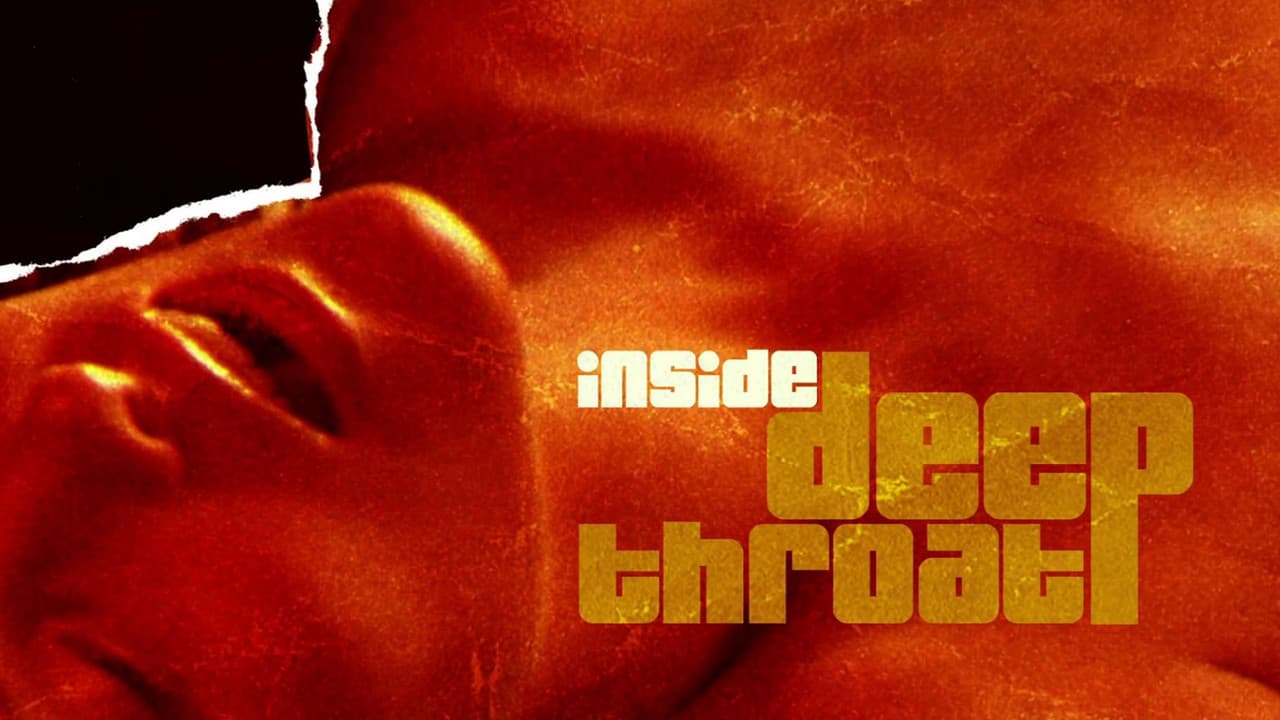








The story of Inside Deep Throat
Inside Deep Throat is a 2005 documentary that reframes one of cinema's strangest origin stories: how a pornographic film shot in six days on a shoestring budget became the most profitable movie ever made. In 1972, a film crew assembled in a Florida hotel to shoot what should have been an forgettable adult picture. Instead, they created something that caught fire—not just in adult theaters, but in the broader cultural conversation. The documentary doesn't shy away from the contradictions: this was a film that represented a moment when sexuality in cinema seemed poised to become something bolder and more artistically legitimate, even as it remained deeply controversial and, as the film reveals, built on genuine exploitation and dark undercurrents.
Behind the making of Inside Deep Throat
Produced by Imagine Entertainment, Summit Entertainment, HBO Documentary Films, and Universal Pictures, Inside Deep Throat arrived in 2005 with serious institutional backing—which itself says something about how the original 1972 film had become culturally significant enough to warrant examination. The original Deep Throat was shot for just $25,000 and distributed independently, yet it grossed over $600 million, a figure that remains staggering even adjusted for inflation. No studio film, no major production, no well-funded indie has ever matched that return on investment. The tagline tells the story: "The government didn't want you to see it. It was banned in 23 states." That legal warfare is central to the documentary's narrative. The film faced obscenity charges across the country, and what might have remained a footnote in adult cinema became instead a flashpoint in the culture wars of the early 1970s. Imagine Entertainment's involvement signals that this isn't a lurid expose but a serious historical document—the kind of project that attracts prestige producers when they recognize a story worth telling. The 90-minute runtime is lean and focused, moving quickly through the production, the explosion of its success, the organized crime connections, and the troubling allegations about how the film's star, Linda Lovelace, was treated on set.
What makes Inside Deep Throat stand out
What's striking is how the documentary refuses to let you have a simple reaction. You can't watch it and feel purely celebratory about the film's success, nor can you dismiss it as just another exploitation story. The filmmakers—don't ask me to pick a single genius auteur here, because this is collaborative work—manage to hold multiple truths in tension: that the original Deep Throat represented a genuine cultural moment, that it was genuinely profitable and influential, and that it was also built on coercion and criminality. The interviews with people who were actually there—producers, actors, lawyers who fought the obscenity cases—give the documentary a texture that archival research alone couldn't provide. There's something almost tragicomic about watching the self-appointed guardians of public morality scramble to suppress a film that the public desperately wanted to see. That cat-and-mouse game between censors and audiences is where the real drama lives. The documentary doesn't pretend that the mob connections or the allegations against the production are side notes; they're woven into the central narrative. It's a film about how capitalism, sexuality, organized crime, and American prudishness collided in a single moment.
Where to stream Inside Deep Throat online
Inside Deep Throat is available on major OTT services, and you can check the "Where to Watch" widget at the top of this page to see which platforms currently have it in your region. The film's availability across multiple streaming platforms reflects how it's become a legitimate historical document rather than something you'd have to hunt for in specialty archives. Movie OTT tracks which services are carrying it right now, so you don't have to ping five different apps to figure out where to find it. Since it's a 90-minute documentary rather than a sprawling series, it's the kind of film you can fit into an evening—and honestly, that's part of what makes it work. You're not committing to a ten-hour binge; you're signing up for a focused, propulsive look at a specific moment in film history.
Frequently asked questions
Q: Is Inside Deep Throat about the actual Deep Throat film, or is it something else?
It's a documentary about the making and cultural impact of the 1972 pornographic film called Deep Throat. The documentary examines how that film was made, why it became so successful, and the legal battles and criminal elements surrounding it.
Q: Who directed Inside Deep Throat?
The documentary was produced by Imagine Entertainment, Summit Entertainment, HBO Documentary Films, and Universal Pictures. It's a collaborative production from major studios, which reflects the project's serious historical intent.
Q: Did Deep Throat really make over $600 million?
Yes. The original 1972 film, shot for just $25,000, grossed over $600 million—making it the most profitable film in motion picture history by return on investment.
Q: Was Deep Throat banned?
The original film faced obscenity charges and was banned in 23 states, leading to legal battles that became part of its cultural significance and notoriety.
Q: What happened to Linda Lovelace, the star?
Inside Deep Throat addresses allegations that she was mistreated on set. The documentary doesn't shy away from the darker side of the film's production, including these troubling claims about how the star was treated.
Final thoughts on Inside Deep Throat
Inside Deep Throat works because it refuses easy answers. It's not a celebration of sexual liberation, nor is it a morality tale about the dangers of the adult industry. It's a historical document about a specific collision of forces—capitalism, sexuality, censorship, crime—that produced something genuinely unprecedented. If you're interested in film history, the culture wars of the 1970s, or just how a $25,000 film became the most profitable movie ever made, it's worth your 90 minutes. The documentary doesn't require you to have seen the original Deep Throat, though it certainly enriches the experience if you have. Movie OTT readers looking for documentaries that challenge conventional narratives will find plenty to chew on here.