






The Story of Hana: A Samurai Out of Place
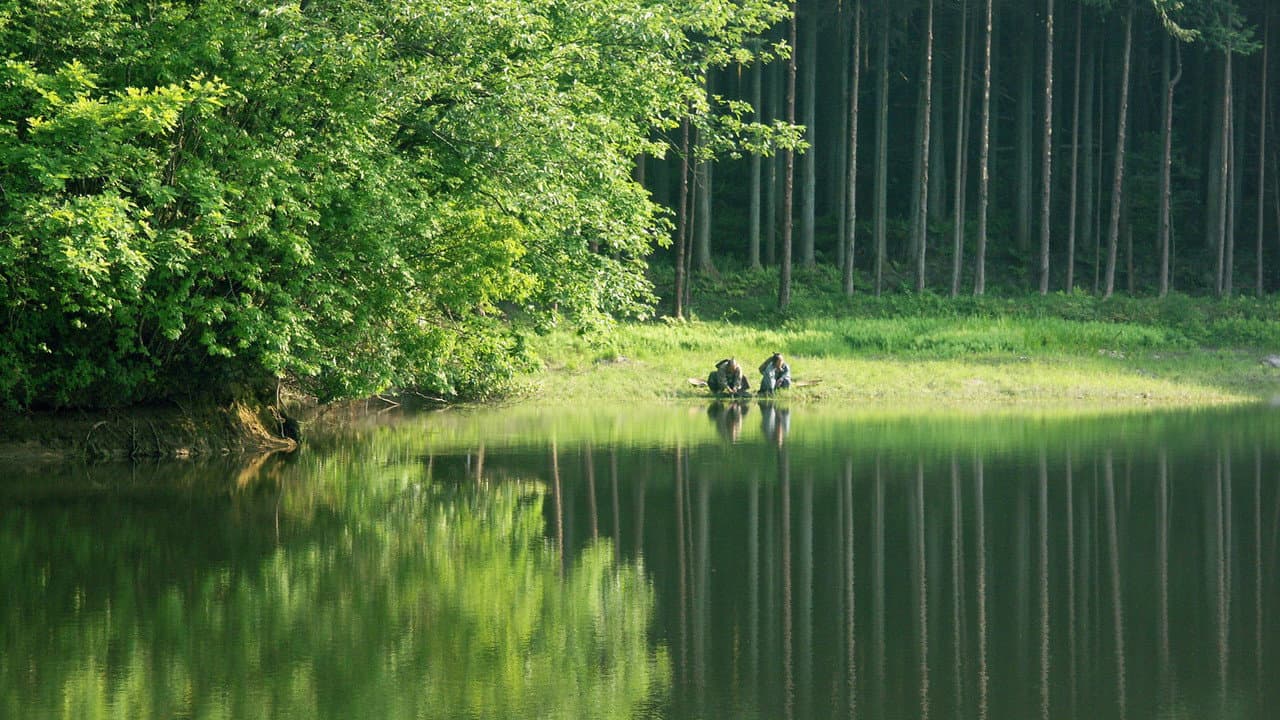
Hana (known in Japan as Hana yori mo Naho) opens in the cramped, muddy streets of 18th-century Edo, where a young samurai named Soza has been quietly living a life that would horrify his clan. He's supposed to be hunting down the man responsible for his father's death — a mission of honor, a debt of blood. Instead, he's teaching local children how to write, sharing meals with the poor residents of his neighborhood, and becoming genuinely embedded in a community that has nothing to do with his original purpose. It's a clever setup for a jidaigeki that isn't really interested in swordplay at all. When Soza finally locates his target, the film pivots entirely: does he follow the samurai code that demands vengeance, or does he honor the bonds he's actually built with the people around him? That tension — between feudal obligation and human connection — is what drives the entire 127-minute runtime.
What's striking is how quietly the film establishes this world. There's no dramatic music swelling as Soza arrives in the slums, no montage of him struggling with his dual identity. He just... lives there. Teaches the kids. Helps repair a roof. The revenge plot doesn't feel urgent because Soza himself doesn't feel urgent about it. That's the genius of the premise, and also what makes Hana such an unusual entry in the samurai film canon.
Behind the Making of Hana: Kore-eda's Gentle Subversion
Director Hirokazu Kore-eda brought his characteristic humanistic approach to Hana in 2006, a period when he was already known for intimate character studies like After Life (1998) and Maborosi (1995). The film was produced by a coalition of major Japanese studios — Shochiku, Tokyo FM, Bandai Visual, TV Man Union, and Shochiku Studio — suggesting this was a prestige project with real backing, even if it wasn't a conventional blockbuster. Kore-eda's casting choices reflect his philosophy: he filled the ensemble with actors capable of finding depth in small moments rather than grand gestures. The film runs 127 minutes, which is generous for a period drama, and Kore-eda uses that time to let scenes breathe rather than rush toward action beats.
The film received a theatrical release in Japan and later found distribution in the United States through Funimation, which also produced an English-language dub — a choice that speaks to how seriously the studio took bringing this film to Western audiences. While Hana didn't become a mainstream phenomenon, it earned respect from critics and festival programmers who recognized what Kore-eda was attempting: a jidaigeki that interrogates the samurai code itself rather than celebrating it. The IMDb rating of 6.6/10 reflects a film that's deliberately paced and thematically complex in ways that don't always play well with casual viewers looking for sword-clashing action, but that's almost beside the point when you're watching something this intentional.
What Makes Hana Stand Out: The Anti-Samurai Samurai Film
Here's the thing that separates Hana from most period dramas: it's genuinely funny. Not in a broad, comedic way, but in the way that comes from observing real human behavior and the small absurdities of daily life. Soza's incompetence as a swordsman becomes a running joke that never feels mean-spirited. The children he teaches are actual characters with their own arcs and personalities, not just props for his redemption. When he finally confronts the man he's been sent to kill, the scene doesn't unfold the way samurai films have conditioned us to expect — and that subversion lands because Kore-eda has spent two hours earning our investment in Soza's emotional growth rather than his martial prowess.
The performances anchor everything. Soza's actor brings a kind of gentle bewilderment to the role, as though his character is perpetually surprised that he's better at teaching and listening than he is at being a proper samurai. The residents of the slum aren't portrayed as tragic victims waiting for salvation; they're competent, resourceful people with their own dignity and humor. That's a subtle but crucial distinction that elevates the entire film. I keep coming back to a scene where Soza helps organize a community event — it's not climactic, it won't appear in any trailer, but it contains more genuine warmth than most films manage in their entire runtime. Kore-eda's camera stays patient and observational, trusting the audience to find meaning in the texture of relationships rather than in plot mechanics. The cinematography captures Edo's poverty without romanticizing it, showing both the harshness and the resilience of these communities.
What critics have responded to is the film's refusal to resolve its central conflict in a tidy way. Soza's choice, when it comes, isn't presented as obviously correct or obviously wrong — it's human, complicated, and tinged with loss. That moral ambiguity is exactly what makes jidaigeki worth revisiting as a genre, and Hana proves that samurai stories don't need swords to cut deep.
Where to Stream Hana Online
Hana is currently available across major OTT services, and Movie OTT maintains an up-to-date tracker of where the film is streaming in your region. Since licensing agreements shift regularly, the specific platform carrying Hana may vary depending on your location and subscription services. The "Where to Watch" widget at the top of this page will show you exactly which services have it available right now — it's the easiest way to avoid the frustration of searching multiple apps. If you're a subscriber to any of the major streaming platforms, there's a solid chance Hana is already accessible to you.
Frequently asked questions
Q: Who directed Hana and what's his style known for?
Hirokazu Kore-eda directed Hana in 2006. He's known for intimate, character-driven films that focus on human relationships and emotional truth rather than plot mechanics — films like After Life and Maborosi that take their time exploring how people actually connect with one another.
Q: Is Hana based on a true story?
Hana is an original screenplay, not based on historical events or an existing source material. However, it's set during the Edo period of 18th-century Japan and uses that historical setting to explore timeless questions about duty, honor, and community.
Q: What does the title "Hana" mean?
The Japanese title is Hana yori mo Naho (花よりもなほ), which translates roughly to "More than flowers." The title suggests that human connection and simple kindness matter more than beauty or traditional notions of honor — a perfect encapsulation of the film's themes.
Q: Is Hana a typical samurai action film?
No — it's a jidaigeki (period drama) that deliberately subverts samurai film conventions. There's very little action; instead, it focuses on character development, community, and moral philosophy. If you're expecting sword fights and revenge spectacle, you'll be surprised.
Q: How long is Hana and will I have time to watch it?
Hana runs 127 minutes (just over two hours), which is a standard feature length. It's paced deliberately and contemplatively, so plan for an evening when you can give it full attention without distractions.
Final Thoughts on Hana: A Quiet Masterpiece
Hana isn't a film that announces itself loudly. It won't grab you with spectacle or shock you with plot twists. What it does — and does beautifully — is make you care deeply about a young man learning that the life he's built in a poor neighborhood matters more than the legacy he was born into. That's a radical statement for a samurai film to make, and Kore-eda makes it with such gentleness that it sneaks up on you. If you're tired of period dramas that mistake scale for significance, or if you're curious about how a filmmaker can use the jidaigeki genre to ask genuinely important questions about what we owe to one another, Hana deserves your time.