


The story of Hang 'em High: Survival and reckoning
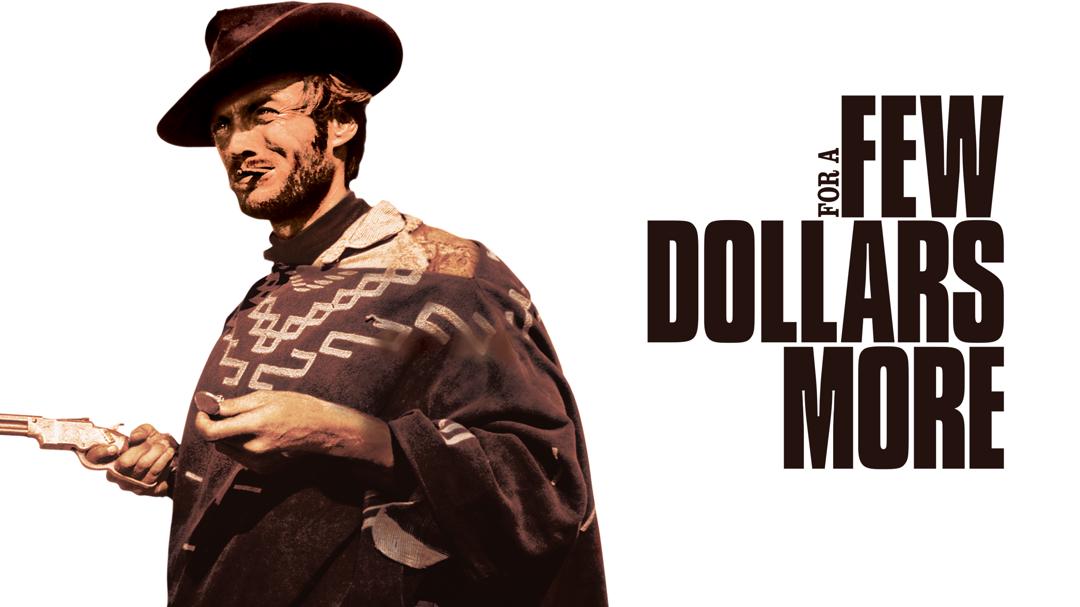
Clint Eastwood plays Jed Cooper, a man left for dead after a brutal lynching by a group of vigilantes in the American frontier. The thing is — he survives. Against all odds, Cooper escapes the noose and emerges from the ordeal transformed. Rather than fade into the dust, he takes a federal marshal's badge and methodically hunts down every last one of the men responsible for his near-execution. What unfolds isn't a simple revenge tale, though. It's a meditation on whether a man can pursue justice without becoming just as lawless as those he hunts. The film examines how thin the line really is between the law and vengeance when civilization itself feels like a fragile mask over raw frontier brutality.
Behind the making of Hang 'em High: Production, cast and box office
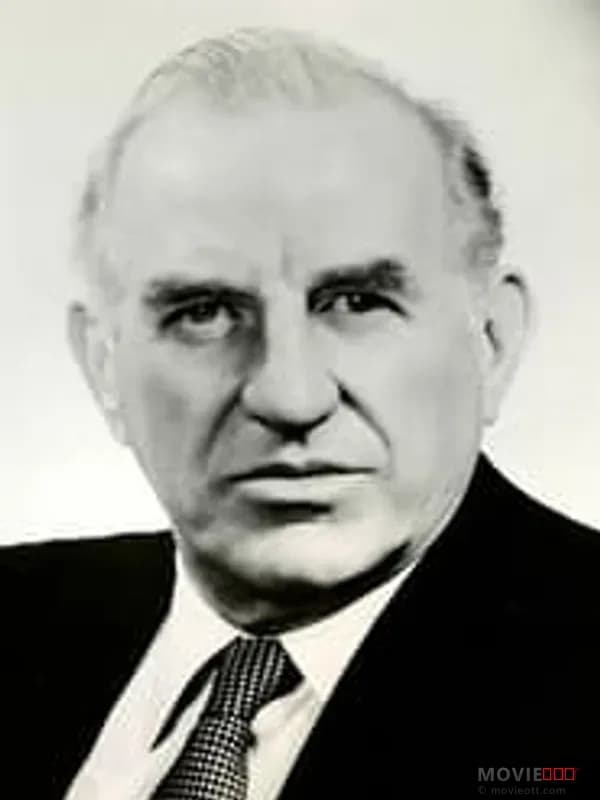
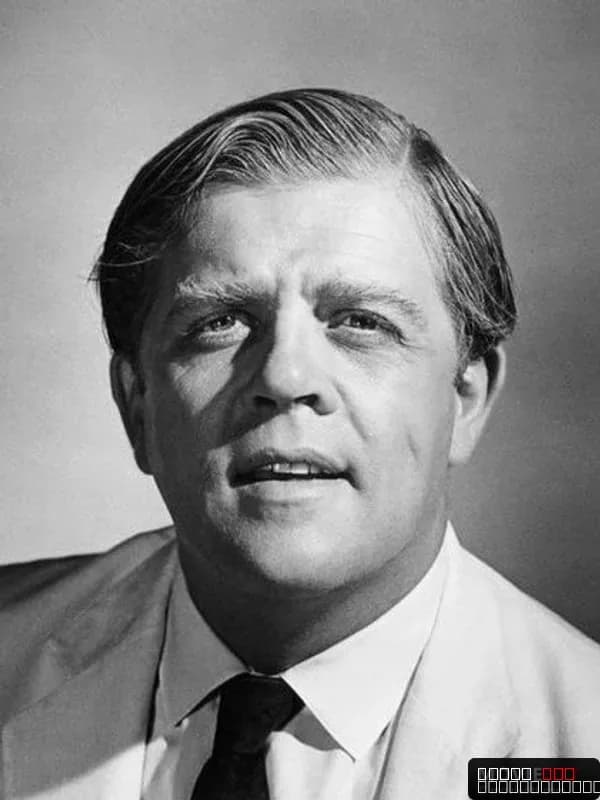
Director Ted Post brought Hang 'em High to the screen in 1968, crafting a 114-minute Western that would gross $11 million at the box office—a solid performance for the era. The film arrived at a pivotal moment in Eastwood's career, just as he was transitioning from television's Rawhide into major motion pictures. Post assembled a supporting cast of real gravitas: Inger Stevens brought vulnerability and moral complexity to her role, while character actors Ed Begley, Pat Hingle, Ben Johnson, and Charles McGraw provided the kind of weathered authenticity that made frontier Westerns feel lived-in rather than invented. The MPAA gave the film an "Approved" rating, meaning it could play to family audiences, though the thematic content—particularly around mob justice and state execution—carried weight that transcended any rating category.
The production reflected a moment when American cinema was beginning to interrogate its own Western mythology. This wasn't a film interested in simple good-versus-evil narratives. Metascore rated it 62/100, and while that might sound middling, it actually reflects critical respect for a film that refused easy answers. What's striking is that Rotten Tomatoes critics gave it 92% Fresh—a substantial gap that suggests the film has aged better in the eyes of contemporary viewers than it did with some contemporary reviewers who may have expected something more conventional.
What makes Hang 'em High stand out among 1960s Westerns
Eastwood's performance anchors everything here. He doesn't chew scenery or deliver histrionics. Instead, Cooper moves through the film with a kind of grim, almost mechanical determination—the performance of a man whose humanity has been burned away by trauma and replaced with purpose. That restraint is what makes the rare moments of emotion land so hard. When he does show vulnerability, you feel the weight of all that suppression breaking through. The supporting cast works overtime to complicate the moral landscape. These aren't cartoon villains. They're men who convince themselves they're protecting their communities, that lynch law is necessary in a lawless land. The film doesn't let them off the hook, but it does let us understand how they got there.
What I keep coming back to is how the film treats the machinery of justice itself. Cooper becomes a marshal, which means he operates within the system—but that system, it turns out, is just as compromised as the vigilante mob. There's a scene where the legal apparatus of execution mirrors the illegal one he survived, and the parallel isn't accidental. Director Post uses visual composition and pacing to make us feel the claustrophobia of a world where there's nowhere safe, no institution you can actually trust. The cinematography captures the vast, indifferent landscape of the frontier, but also the cramped, suffocating interiors where men make their moral compromises. It's a film that trusts its audience to sit with moral ambiguity rather than resolve it.
Where to stream Hang 'em High online
Hang 'em High is available across major OTT services, and you can check the "Where to Watch" widget at the top of this page to find which platform carries it in your region right now. Streaming availability shifts constantly, but Movie OTT tracks current placements across services so you don't have to hunt. The film's 114-minute runtime makes it perfect for a single sitting, and whether you're revisiting it or discovering it for the first time, it's worth seeking out on whichever platform has it available today. If you're a Western fan or an Eastwood completist, this is essential viewing—the kind of film that rewards the effort to actually find it.
Frequently asked questions
Q: Who directed Hang 'em High?
Ted Post directed the film in 1968. Post was a veteran television director who brought a sharp eye for moral complexity to what could have been a straightforward revenge Western.
Q: Is Hang 'em High based on a true story?
No, the film is a fictional narrative. However, it draws on the real historical phenomenon of frontier vigilante justice and lynching in the American West, using that context to explore larger themes about law, vengeance, and institutional corruption.
Q: What's the runtime of Hang 'em High?
The film runs 114 minutes, which gives it enough space to develop its characters and moral questions without feeling bloated or rushed.
Q: How was Hang 'em High received by critics?
Critical response was mixed at the time, but the film has held up remarkably well. Rotten Tomatoes rates it 92% Fresh, while Metascore gave it 62/100. It currently holds a 6.9/10 on IMDb based on nearly 48,000 votes, suggesting it's found an appreciative audience over the decades.
Q: What's the plot of Hang 'em High?
Clint Eastwood plays Jed Cooper, a man who survives a lynching and becomes a U.S. Marshal to hunt down the vigilantes responsible. The film explores the blurred line between justice and vengeance as Cooper pursues his quarry through a morally compromised frontier.
Final thoughts on Hang 'em High
This is a Western that still matters. Not because it's perfect—it has its rough edges and dated moments. But because it refuses to let you off easy. Eastwood, Stevens, and the supporting cast deliver performances that feel genuine and earned. The film asks hard questions about vigilantism, institutional justice, and whether a man can be redeemed through violence. If you haven't seen Hang 'em High, it's worth your time. If you have, it's worth revisiting. Check the streaming widget above to find it, and give yourself two hours in a frontier that's far more complicated than most Westerns dare to suggest.