




The Story of Helter Skelter: Uncovering America's Most Infamous Cult Murders
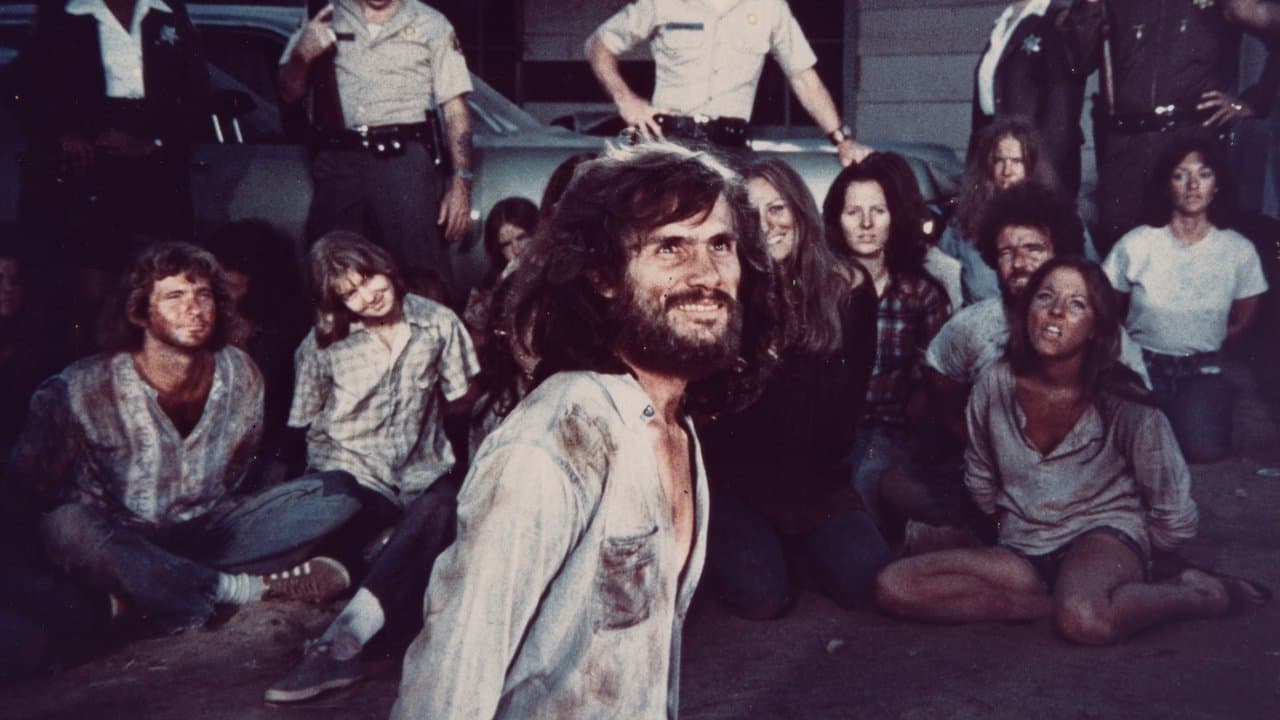
Helter Skelter tells the story of how two horrific mass murders—the killing of actress Sharon Tate and her friends in 1969, followed by the LaBianca murders the next night—led investigators down a twisted path into the mind of Charles Manson and his so-called "family." What begins as a seemingly disconnected pair of brutal crimes gradually reveals itself as the work of a charismatic, manipulative cult leader who'd convinced his followers that a race war called "Helter Skelter" was imminent. The film doesn't just chronicle the murders themselves; it follows the meticulous detective work, the breakthrough moments, and the legal battle to prove Manson's guilt—not as the direct killer, but as the orchestrator. It's a slow-burn investigation that builds toward a trial as dramatic as anything in fiction, except it's all true.
Behind the Making of Helter Skelter: Production, Casting, and Cultural Impact
Helter Skelter arrived in 1976 as a television event, airing over two nights and drawing massive audiences hungry for a definitive account of one of America's most sensational crimes. Lorimar Productions mounted an ambitious production that ran 184 minutes—an epic runtime for a TV movie, which itself signaled how seriously the network took the material. The film was based on Vincent Bugliosi and Curt Gentry's 1974 bestselling book of the same name, written by the very prosecutor who'd built the case against Manson. That pedigree mattered enormously; audiences knew they weren't watching speculation or dramatized gossip, but rather the inside account from the man who'd lived through the trial.
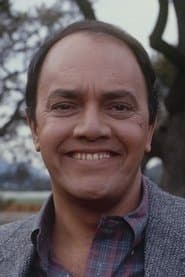
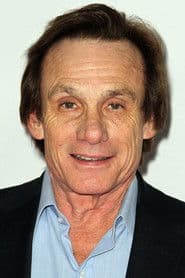
What's striking is that the film wasn't just a television product—in some international markets, it received theatrical release with additional footage including nudity, profanity, and violence that the American broadcast version couldn't air. This dual-release strategy reflected how seriously the material was being treated, even if the network version had to pull its punches for 1970s television standards. The cast included Steve Railsback in a career-defining role as Manson, an actor who'd go on to build much of his reputation on playing unsettling, intense characters. Railsback's performance captures something genuinely unsettling about Manson—not a cartoon villain, but a damaged, manipulative man whose charisma is all the more dangerous because it's recognizable. George DiCenzo, Nancy Wolfe, and Christina Hart rounded out a solid ensemble that never let the proceedings slip into melodrama, even when the subject matter practically begged for it.
What Makes Helter Skelter Stand Out: The Investigative Rigor and Quiet Tension
Most true crime adaptations live or die by how they handle the investigative process, and Helter Skelter doesn't rush it. The film takes its time—all 184 minutes—to show how detectives piece together the connection between the two crime scenes, how they track down witnesses, how they gradually zero in on Manson's involvement. That's not padding; that's the actual texture of real detective work, and it's far more gripping than you'd expect. There's no bombastic score, no dramatic reenactments of the murders themselves splashed across the screen. Instead, the filmmakers trust the audience to be disturbed by the implications of what happened, not by explicit gore.
I keep coming back to how the film handles Manson's trial—because that's where the real story lives. The murders themselves are horrifying, yes, but Manson's conviction hinges on proving he ordered them, that his ideology of "Helter Skelter" (a twisted misinterpretation of Beatles lyrics) was the motive. That's a harder case to make on screen than showing a killer with a weapon. Yet the film manages to show how Bugliosi methodically dismantles Manson's hold over his followers, how he gets them to turn state's evidence, how he proves the connection between Manson's apocalyptic ramblings and the actual murders. It's a masterclass in how to dramatize legal procedure without turning it into a courtroom melodrama. The performances are restrained—nobody's chewing scenery—which makes the horror of what these people actually did land harder.
What doesn't work quite as well is the film's treatment of some of the female family members, who can feel like ciphers rather than fully realized characters. But that's partly a function of the era in which it was made (1976) and the limitations of the source material itself. What the film does nail is the creeping realization that Manson's appeal wasn't sinister mystique—it was exploitation of vulnerable people who were looking for community and found a predator instead.
Where to Stream Helter Skelter Online
Helter Skelter is available on major OTT services, and if you're serious about true crime, it belongs in your queue. The film's availability across streaming platforms makes it easier than ever to access what's essentially a historical document about one of America's most significant criminal cases. Check the "Where to Watch" widget at the top of this page for current availability on your preferred service—platforms update their catalogs regularly, but this film tends to stick around because of its cultural weight. Movie OTT tracks streaming availability across all the major services, so you'll know exactly where to find it the moment you're ready to watch.
Frequently asked questions
Q: Is Helter Skelter based on a true story?
Yes, completely. The film is adapted from prosecutor Vincent Bugliosi's 1974 bestselling book about the actual 1969 Manson Family murders of Sharon Tate and others, and the subsequent trial. Bugliosi himself was the lead prosecutor in the case, so the account comes directly from the person who built it.
Q: Who directed Helter Skelter?
Tom Gries directed the 1976 film for Lorimar Productions. Gries was an accomplished television director known for his ability to handle complex, sprawling narratives—a skill that proved essential for adapting such a complicated true crime story.
Q: How long is Helter Skelter?
The film runs 184 minutes, which is over three hours. It was originally broadcast over two nights as a television event, so plan accordingly if you're watching it in one sitting.
Q: What's the difference between the TV version and the theatrical version?
In some countries, Helter Skelter received a theatrical release with additional footage including more explicit violence, profanity, and nudity that the American broadcast version couldn't include. The core story is the same, but the theatrical cut is less sanitized.
Q: Why is it called Helter Skelter?
The title refers to Charles Manson's apocalyptic ideology—a twisted interpretation of Beatles lyrics that he believed prophesied a coming race war. He called this imagined conflict "Helter Skelter," and he believed the murders would spark it. It's a deeply disturbing example of how Manson weaponized pop culture to justify violence.
Final Thoughts on Helter Skelter
Helter Skelter remains essential viewing not because it's sensational, but because it refuses to be. It's a meticulous, patient reconstruction of how law enforcement solved one of the most famous crimes in American history, and how a charismatic manipulator was brought to justice. The film doesn't exploit its subject matter—it respects both the victims and the viewers enough to trust that the facts themselves are compelling. If you care about true crime, about criminal psychology, or about how the justice system actually works, this is foundational. Don't sleep on it.