







The story of The Glass House
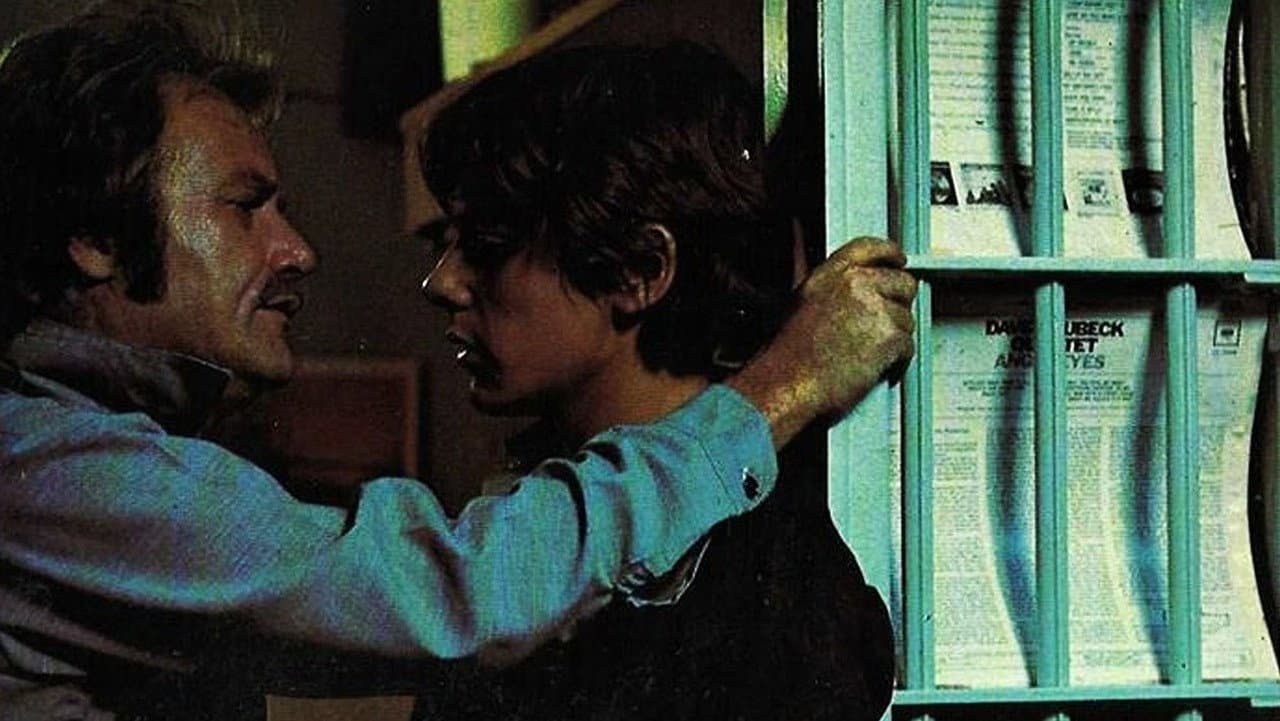
Truman Capote's The Glass House arrives as a 90-minute television drama that refuses to soften its subject matter. The film follows three newly arrived inmates as they navigate the unwritten rules, power structures, and moral compromises of prison life. What makes this adaptation of Capote's story so compelling isn't that it preaches — it doesn't. Instead, it observes. You're watching a closed system that mirrors the outside world in ways that feel almost uncomfortable. There's accommodation, honesty, cynicism, violence, and all the machinery that keeps a society (or a cell block) running. The newcomers serve as our eyes into this world, and what they discover is both terrifying and, in moments, strangely human.
Behind the making of The Glass House
Director Tom Gries brought considerable weight to this project when it premiered on CBS on February 4, 1972. The cast reads like a who's who of '70s television: Alan Alda carried the film with his naturalistic presence, while Vic Morrow and Clu Gulager brought the kind of worn authenticity that made TV dramas of this era feel genuinely dangerous. Tomorrow Entertainment produced the film, and it arrived during a moment when American television was willing to take risks with subject matter that network standards might have deemed risky just a few years earlier. The 90-minute runtime is lean — no padding, no filler — which gives the narrative a propulsive quality that keeps you locked in. On the IMDb scale, it holds a respectable 6.4 rating, which honestly understates how effectively the film works as both a social document and a character study. This wasn't a prestige picture designed for awards season; it was a working TV movie that took its material seriously.
What makes The Glass House stand out
Here's the thing nobody mentions about prison dramas from this era: they tend to age better than you'd expect. What's striking is how The Glass House doesn't rely on sensationalism to make its point. The violence, when it comes, feels inevitable rather than gratuitous — a natural consequence of the system itself. Alda's performance anchors everything; he brings a kind of bewildered decency to his character, someone trying to survive without losing himself, which is maybe the hardest thing to pull off in a place designed to strip you down. The film understands that prisons aren't just places where bad things happen — they're functioning societies with their own logic, their own hierarchies, their own codes. Gries captures this without ever becoming didactic about it. You're not being lectured. Instead, you're observing how institutional life shapes people, how power flows in unexpected directions, how desperation and pragmatism become indistinguishable. The supporting cast — Morrow especially — brings a weathered quality that makes you believe these are men who've been worn smooth by the system. It's not flashy filmmaking, but it's honest work.
Where to stream The Glass House online
The Glass House is currently available across major OTT platforms, and you can check the "Where to Watch" widget at the top of this page to see exactly which services carry it in your region. Movie OTT tracks streaming availability across all the major platforms, so you'll know instantly whether it's on your subscription or if you need to rent it. The film's 90-minute length makes it perfect for a weeknight watch — not a time commitment that requires you to block out your entire evening. Given that it originally aired on CBS, it's fitting that it's found new life in the streaming era, where audiences can discover it without network scheduling constraints.
Frequently asked questions
Q: Is The Glass House based on a true story? A: The film is adapted from material by Truman Capote, the legendary author of In Cold Blood, so it's grounded in real observation of prison life. While the specific characters are fictional, Capote's research into institutional systems lends the narrative an authenticity that feels documentary-like.
Q: Who directed The Glass House? A: Tom Gries directed the film. He was a skilled television director who understood how to build tension and character depth within the constraints of the TV format — something that's evident in every frame here.
Q: When did The Glass House originally air? A: The film premiered on CBS on February 4, 1972, as a made-for-television drama. It's now available on streaming platforms where you can watch it on your own schedule.
Q: What's the runtime of The Glass House? A: The film runs 90 minutes, making it a tight, focused narrative without any wasted scenes. Every minute counts.
Q: Why should I watch The Glass House if it's from 1972? A: Prison dramas from this era often feel more honest than modern versions because they weren't bound by the same genre conventions we have now. The Glass House treats its subject matter with respect and doesn't rely on melodrama — it just shows you how the system works.
Final thoughts on The Glass House
If you're looking for a film that doesn't play it safe, The Glass House deserves your attention. It's a 1972 television drama that feels urgent in ways you wouldn't expect from something half a century old. The performances are grounded, the direction is assured, and the script respects your intelligence. It won't give you easy answers about prison life or morality — it'll just show you how people survive in a system that wasn't designed with their humanity in mind. That's the kind of filmmaking that sticks with you.