








The Story of Earth II and Its Nuclear Premise
Earth II is a 1971 television movie that takes its premise seriously, even if the execution doesn't always match the ambition. The film imagines a near-future where humanity has achieved something remarkable — an orbital space station built for scientific research and, more idealistically, world peace. That idealism doesn't last long. When intelligence reaches the station that the Chinese have launched a nuclear weapon into orbit, just a few miles away from the habitat, the crew shifts into crisis mode. The plot hinges on a ticking-clock scenario: they have roughly 10 seconds to disarm the bomb before it detonates, which wouldn't just destroy the station but potentially trigger World War III. It's a high-concept thriller wrapped in the language of space exploration, and it's the kind of premise that could only have emerged from the paranoid, technology-obsessed early 1970s.
Behind the Making of Earth II and Its Television Roots
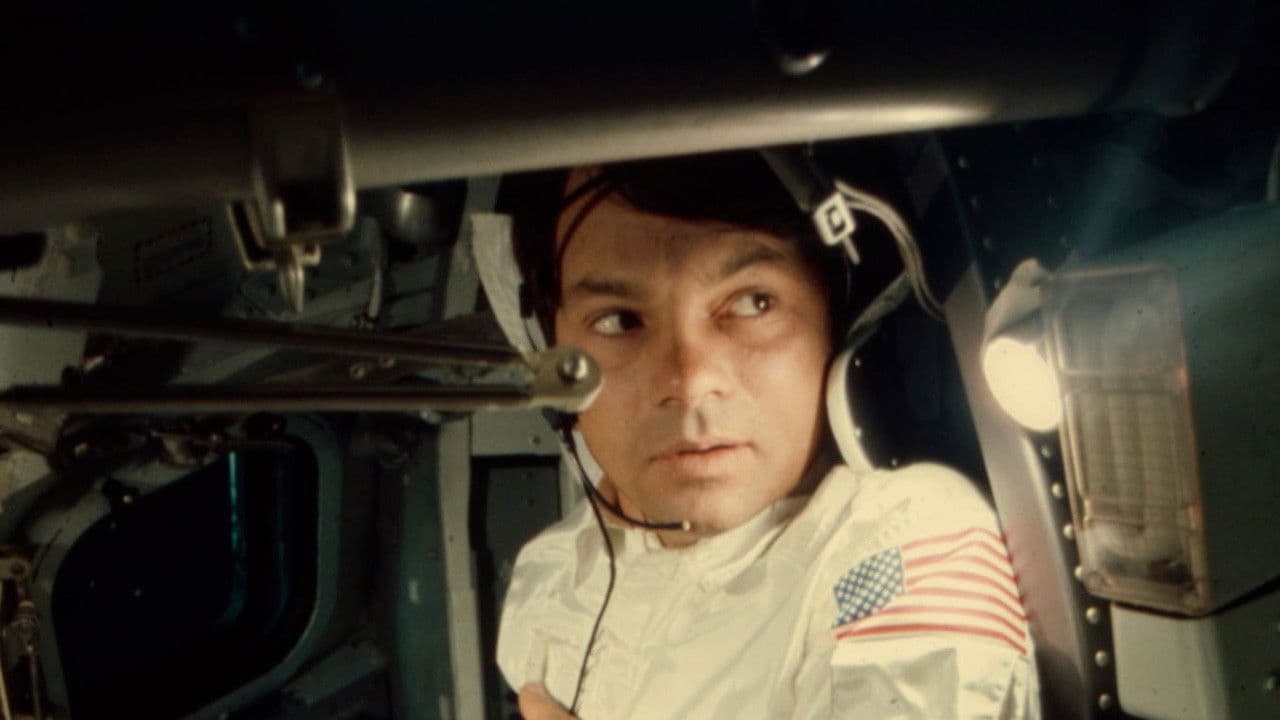
Earth II was produced by WABE Productions in association with MGM Television, written and produced by William Read Woodfield and Allan Balter, and directed by Tom Gries — a television veteran who'd worked extensively in episodic drama. The film aired on November 28, 1971, as a pilot for what the network hoped would become an ongoing series about the orbital colony. That never happened. The cast included Gary Lockwood (best known to sci-fi fans for his role in Star Trek), Scott Hylands, and Hari Rhodes, all solid television actors of the era. There's no record of significant box-office numbers — it was a TV movie, after all — and awards recognition was minimal. What's striking is how earnestly the production treated its premise. This wasn't camp or parody. Woodfield and Balter, who'd worked on shows like The Outer Limits, brought a procedural sensibility to the space-station setting, treating the nuclear crisis with the gravity of a real emergency. The 100-minute runtime gave the story room to breathe, even if contemporary critics weren't entirely convinced the filmmakers had earned that time.
Why Earth II's Cold War Anxieties Still Matter
What makes Earth II stand out, even now, is how directly it channels the paranoia of its moment. The early 1970s were a specific kind of tense — détente was theoretically in place, but nuclear brinkmanship remained the subtext of every international negotiation. By setting the crisis in space, the film removes any possibility of conventional diplomacy or military response. There's nowhere to run from an orbital bomb. The performances don't demand much — this is functional television acting, competent but rarely revelatory — but there's something almost charming about how earnestly Lockwood and the ensemble treat the scenario. You can feel the writers' conviction that this is a plausible future. The production design, though constrained by television budgets, commits to the vision of a modular, functional space station. It doesn't look like the sleek, polished spacecraft of 2001: A Space Odyssey (which came out just two years earlier), but rather like something an engineer might actually build. That specificity of detail — the way the crew communicates through procedures, the sense that they're following protocols even under extreme stress — gives the film a documentary-like texture that occasional lapses in logic can't entirely undermine. Movie OTT curates these kinds of genre artifacts, making them available to viewers who want to understand how science fiction television actually evolved, rather than just the hits that got remembered.
How to Stream Earth II Online
Earth II is currently available on major OTT services, and the easiest way to find where it's streaming in your region is to check the "Where to Watch" widget at the top of this page on Movie OTT — it updates in real time as licensing agreements shift. Streaming availability for older television movies can be spotty, so if you're interested in watching, it's worth checking sooner rather than later. The film's relatively modest reputation means it's not as locked into permanent rotation as more celebrated 1970s sci-fi, but it does pop up regularly on services focused on classic television and genre content. Since it's only 100 minutes, it's an easy watch if you're curious about how television imagined the future during the Nixon administration.
Frequently asked questions
Q: Who directed Earth II?
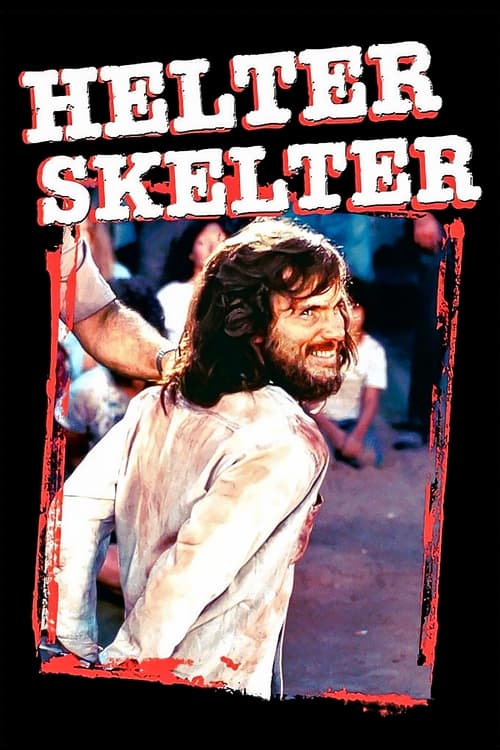
Tom Gries directed the film. Gries was a prolific television director known for his work on dramatic series like The Outer Limits and later directed the acclaimed TV movie Helter Skelter in 1976.
Q: Was Earth II based on a true story?
No, Earth II is entirely fictional. The premise — a space station threatened by an orbiting nuclear weapon — was speculative sci-fi, though it drew on real Cold War anxieties about satellite-based weapons systems.
Q: Why didn't Earth II become a series?
The pilot didn't generate enough audience interest or critical enthusiasm to warrant a full series order. Television networks were cautious about investing in space-based dramas after mixed results with other sci-fi shows of the era.
Q: How does Earth II compare to other 1970s space shows?
Earth II is more grounded and procedural than something like Space: 1999, but less philosophically ambitious than 2001: A Space Odyssey. It's closer in spirit to the original Star Trek's problem-solving approach, but without the episodic adventure framework.
Q: What's the IMDb rating for Earth II?
The film holds a 5.594 rating on IMDb, reflecting mixed audience reception. It's a film that's more interesting as a historical artifact than as pure entertainment.
Final Thoughts on Earth II
Earth II isn't going to blow anyone away — honestly, it's a middling piece of 1970s television that happened to imagine something interesting. But there's real value in watching how filmmakers of that era thought about space, technology, and international conflict. The film doesn't have the polish of prestige science fiction, but it has something more useful: a genuine attempt to imagine how humans might actually live and work in orbit, and what could go catastrophically wrong. For viewers interested in the genealogy of space-station narratives or the texture of Cold War-era speculation, Earth II is worth the hundred minutes. It won't change your life, but it'll give you a window into a specific moment when the future felt urgent and dangerous.