




The story of Hold Your Breath
Hold Your Breath transports viewers to 1930s Oklahoma, where nature itself becomes a character—and a threat. The film follows a family enduring the region's catastrophic dust storms, those apocalyptic black clouds that buried the Great Plains and destroyed livelihoods. But this isn't just a period piece about environmental disaster. Sarah Paulson's character becomes convinced that something far more sinister than wind and dirt is closing in on her family. As the storms intensify, so does her certainty that an evil presence lurks within them. The 94-minute runtime keeps the tension wound tight, though whether that tension resolves satisfyingly is another question entirely. It's a premise with real potential—the Dust Bowl as backdrop for psychological horror is genuinely inspired.
Behind the making of Hold Your Breath
Searchlight Pictures, the indie-minded arm of Disney that's given us everything from Nomadland to Poor Things, produced Hold Your Breath alongside Secret Engine and Mad Dog Films. Directors Karrie Crouse and Will Joines, working from Crouse's script, brought a visual sensibility that's clearly been thought through. The film earned an R rating for language and some violence, positioning it for adult audiences rather than the teen-horror crowd. It premiered in 2024 and landed across major streaming platforms, making it accessible to Movie OTT subscribers hunting for newer horror content.
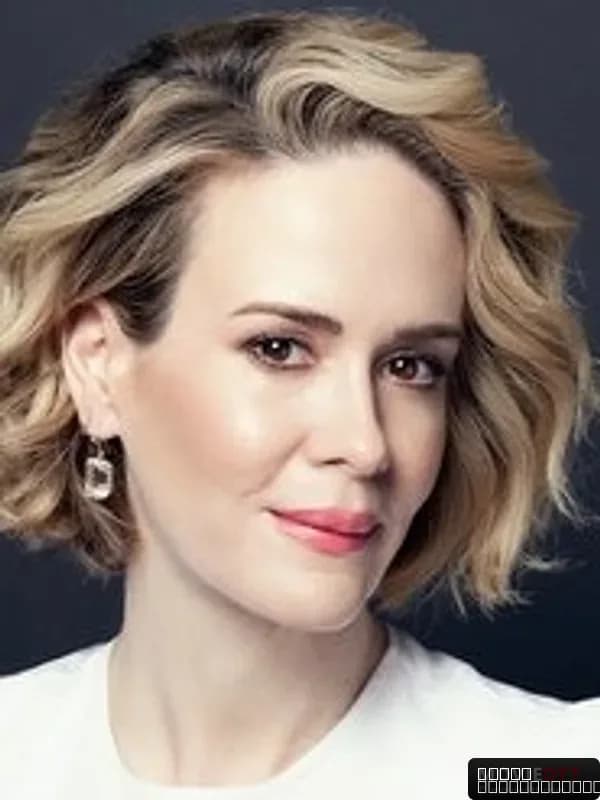
Casting Paulson—an actor with serious dramatic chops (The American Crime Story franchise, Ratched, Impeachment)—signals ambition. She's joined by Amiah Miller, Annaleigh Ashford, Alona Jane Robbins, and Ebon Moss-Bachrach, a supporting ensemble that brings credibility to what could've been a B-movie premise. The film did receive one award nomination, though it didn't break through to major festival or guild recognition. Box office and critical reception tell a different story: Rotten Tomatoes sits at 40% (Rotten), Metascore landed at 45/100, and IMDb users gave it 5.3/10 from over 9,300 votes. Those numbers suggest a film that's divided audiences—some finding it genuinely unsettling, others finding it frustratingly muddled.
What makes Hold Your Breath stand out (and what holds it back)
What's striking about Hold Your Breath is how it commits to mood over exposition. The dust itself becomes a visual metaphor—you can't see clearly, can't breathe freely, can't trust your own senses. That's genuinely eerie, and Crouse and Joines lean into it. Paulson's performance anchors the film with real desperation; she's not playing a scream queen or a victim, but a woman grappling with her own sanity while also trying to protect her family. The period detail feels lived-in rather than costume-y, and there's a claustrophobia to watching families huddle indoors while the world turns brown outside.
But here's where things get slippery. The film struggles with tone and pacing in ways that undermine its strongest instincts. It can't quite decide whether it's a ghost story, a psychological breakdown narrative, or a creature feature—and that ambiguity might've worked if the script had committed harder to any single direction. Some viewers find that ambiguity frustrating; others appreciate the refusal to explain everything neatly. I keep coming back to the fact that Paulson's character's conviction about the evil presence never quite lands with the weight it should. Is she right? Is she losing her grip on reality? The film hints at both, but doesn't trust either fully. That hesitation, that's the real killer—not in the good way.
The supporting cast does solid work with underwritten roles, and there are moments of genuine dread, particularly in scenes where the camera lingers on the dust storms themselves. But between those moments, the narrative sags. A 94-minute runtime should feel lean and mean; instead, it sometimes feels like a feature-length short story that's been stretched just past its breaking point.
Where to stream Hold Your Breath online
Hold Your Breath is currently available on major OTT platforms, and you can check the Where to Watch widget at the top of this page for real-time availability in your region. Since streaming rights shift frequently, Movie OTT tracks current platform listings so you don't have to hunt across five different apps. The film's 2024 release means it's still in active rotation on most services, making it relatively easy to find if you're in the mood for period horror that doesn't quite stick the landing but remains worth the 94 minutes of your time.
Frequently asked questions
Q: What year is Hold Your Breath set in?
The film takes place during the 1930s Dust Bowl era in Oklahoma, using the real historical environmental catastrophe as both setting and thematic backdrop for its horror narrative.
Q: Who directed Hold Your Breath?
Karrie Crouse and Will Joines co-directed the film, with Crouse also writing the screenplay. It's their collaboration that shapes the film's visual approach to the Dust Bowl setting and its supernatural elements.
Q: Is Hold Your Breath based on a true story?
While the Dust Bowl itself is real history, Hold Your Breath is a fictional horror story set against that historical backdrop. The supernatural threat at the film's core is invented for dramatic effect.
Q: How long is Hold Your Breath?
The film runs 94 minutes, keeping its narrative relatively tight despite some pacing issues that reviewers have noted.
Q: What's the critical reception for Hold Your Breath?
Reviews have been mixed to negative. Rotten Tomatoes gives it 40%, Metascore rates it 45/100, and IMDb users averaged 5.3/10. Audiences seem divided on whether its ambiguous approach to horror works or frustrates.
Final thoughts on Hold Your Breath
Hold Your Breath isn't a bad film—it's an ambitious one that doesn't quite execute on its promise. Sarah Paulson carries the weight capably, the period setting is convincing, and there are genuinely unsettling moments buried in here. But the script's refusal to commit to a clear narrative direction, combined with uneven pacing, keeps it from becoming the Dust Bowl horror classic it could've been. If you're patient with ambiguity and drawn to 1930s settings, it's worth a watch. If you want clear scares and narrative payoff, you'll probably feel let down. Either way, it's the kind of film worth discussing after—which, honestly, is more than many horror films manage these days.