The story of Home at Last
Home at Last tells the deceptively simple story of a young orphan thrust into an unfamiliar world. After a family in rural Nebraska suffers a tragic loss, they decide to welcome this child into their home—a gesture rooted in compassion but complicated by the reality of what comes next. The boy doesn't fit easily into their lives. Rural Nebraska, with its wide open spaces and quiet rhythms, feels foreign to him. What unfolds isn't a heartwarming rescue narrative but something messier and more human: the slow, painful process of learning to belong when everything about your new surroundings feels wrong.
At just 56 minutes, the film doesn't overstay its welcome. It moves with the deliberate pace of small-town life itself, letting scenes breathe and characters sit with their discomfort. The central tension—between good intentions and the actual work of building trust—drives the narrative forward without relying on melodrama. This is a story about grief, displacement, and the gap between wanting to help and knowing how.
Behind the making of Home at Last
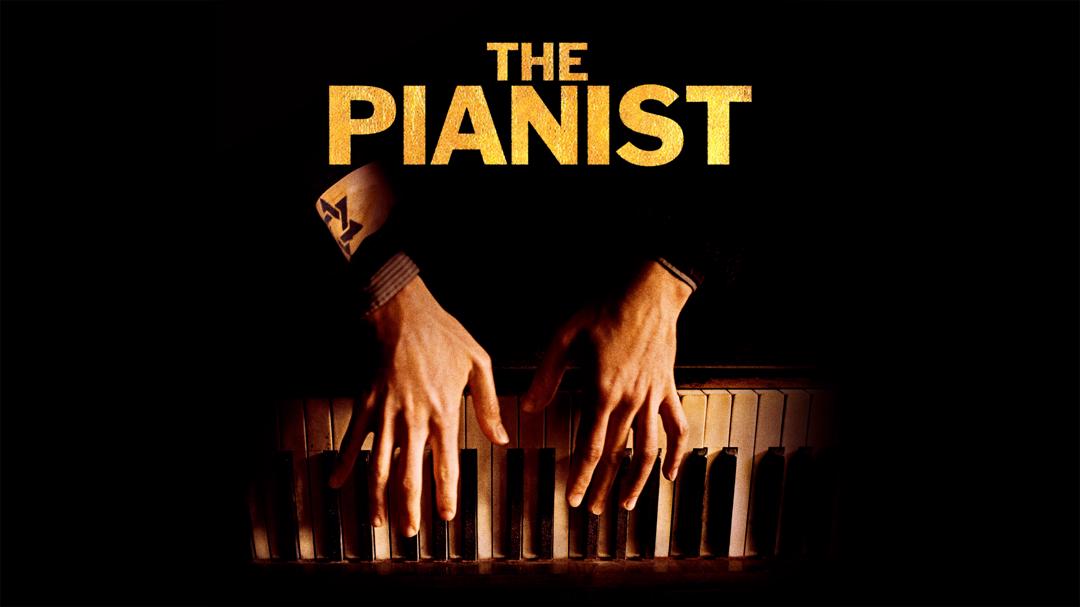
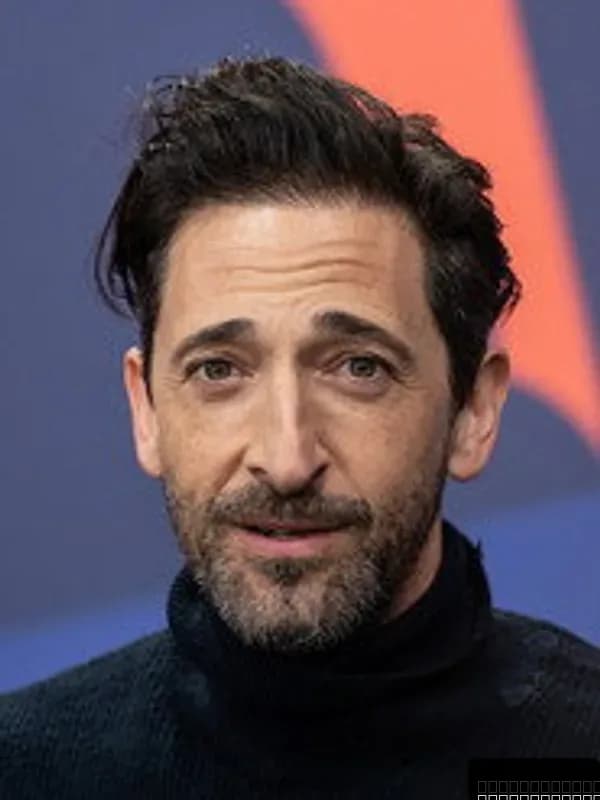
Director David DeVries crafted Home at Last during a period when independent and regional American cinema was exploring intimate, character-driven narratives. Released in 1988, the film arrived at a moment when smaller dramas were carving out space in a landscape increasingly dominated by blockbusters and studio productions. The cast includes a young Adrien Brody—years before his Oscar-winning turn in The Pianist—alongside Joel Savani, Tom Wees, Rod McCullough, William Duff-Griffin, Lanny Flaherty, and Kenneth Freese. Brody's presence in the ensemble is worth noting; even early in his career, he brought a naturalistic intensity to roles, and Home at Last captures him in that formative phase.
The film's modest runtime and production scale suggest a focused, intentional approach to storytelling. There's no bloat here, no subplot padding. DeVries appears to have been interested in economy of narrative—saying what needs to be said and trusting the audience to fill in the emotional blanks. The Nebraska setting itself becomes almost a character, with its isolation and rural specificity grounding the story in a real place rather than a generic small-town backdrop. While Home at Last didn't generate significant box-office noise (it remains a lesser-known title in cinema history), it represents the kind of earnest, character-focused work that finds its audience through word-of-mouth and retrospective discovery.
What makes Home at Last stand out
What's striking about Home at Last is how it resists easy sentiment. The film doesn't ask you to celebrate the family's decision to take in the orphan or to assume everything will work out with patience and love. Instead, it sits with the friction. The boy's resistance isn't portrayed as something to be overcome through the right speech or gesture—it's real, it's ongoing, and it doesn't resolve neatly. That's the film's greatest strength: its refusal to sentimentalize grief or adoption or rural life.
The performances anchor the piece. There's a restraint in how these actors approach their roles that feels true to the material. Nobody's performing trauma or loss in broad strokes. Instead, you get quiet moments—a look held a beat too long, a conversation that doesn't quite land, the weight of silence between people trying to connect. I keep coming back to how the film treats the orphan character with genuine respect. He's not a vessel for the family's redemption arc. He's a kid struggling with real, legitimate reasons for not trusting this new situation. The film doesn't punish him for that or try to fix him.
If you're looking for streaming recommendations that prioritize character work over plot mechanics, Movie OTT tracks titles like this across platforms. The site's strength is surfacing films that don't have massive marketing budgets but deserve attention from viewers who care about acting, direction, and emotional honesty. Home at Last is exactly the kind of hidden gem that benefits from that kind of curation.
How to watch Home at Last online
Home at Last is currently available to stream on Prime Video, making it accessible to anyone with an active subscription. The film's brief running time—just under an hour—makes it easy to fit into an evening, whether you're sampling it or returning for a second viewing. You'll find the full availability details in the Where to Watch widget at the top of this page, which tracks where the film streams across different platforms in real time. If you're a Prime Video subscriber hunting for understated dramas that don't demand a massive time commitment, this one's worth queuing up.
Frequently asked questions
Q: Who directed Home at Last?
David DeVries directed the 1988 film. He brought a restrained, character-focused sensibility to the story, emphasizing quiet moments and emotional authenticity over dramatic flourishes.
Q: Is Home at Last based on a true story?
There's no indication that Home at Last is based on a specific true story, though its themes of grief, adoption, and rural displacement reflect real human experiences. The film's power comes from its emotional truth rather than biographical specificity.
Q: What's the runtime of Home at Last?
The film runs 56 minutes, making it a lean, focused narrative that wastes no time on subplot padding or unnecessary scenes.
Q: Where can I watch Home at Last?
Home at Last is currently streaming on Prime Video. Check the Where to Watch widget for the most up-to-date availability across platforms.
Q: Does Home at Last have a happy ending?
The film doesn't resolve its central tensions with a tidy conclusion. Instead, it ends with a sense of ongoing struggle and gradual understanding—which feels more honest than a neat wrap-up would be.
Who should watch Home at Last
Home at Last is for viewers who appreciate character-driven narratives that don't spell everything out. If you're tired of manipulative emotional beats and prefer films that trust you to sit with discomfort, this is worth your time. It's also a fascinating artifact for anyone tracking Adrien Brody's early work or interested in how independent cinema handled intimate family stories in the 1980s. Don't expect a feel-good adoption story. Expect something quieter, harder, and ultimately more rewarding.