


The Story of Midnight in Paris
Woody Allen's Midnight in Paris follows Gil Pender, a successful Hollywood screenwriter who's traveling to the City of Light with his fiancée and her parents. He's supposed to be scouting locations and closing deals, but Gil's got bigger problems: he's restless, creatively unfulfilled, and increasingly aware that his relationship is fundamentally broken. His fiancée cares about shopping and social status. He cares about Hemingway and the lost generation of artists. Then one night, as midnight strikes, he stumbles into a 1920s party—and suddenly he's rubbing shoulders with F. Scott Fitzgerald, Gertrude Stein, and Salvador Dalí. What starts as a magical escape becomes something deeper: a journey into what we actually want versus what we think we're supposed to want.
The film's genius isn't just the premise—it's how Allen uses that fantasy framework to ask genuinely uncomfortable questions about nostalgia, ambition, and whether the past is ever as golden as we remember it. Without spoiling the turns the story takes, it's enough to say that Gil's nightly adventures force him to confront some hard truths about himself, his relationship, and whether Paris itself—or the idea of Paris—is what he's really fallen for.
Behind the Making of Midnight in Paris
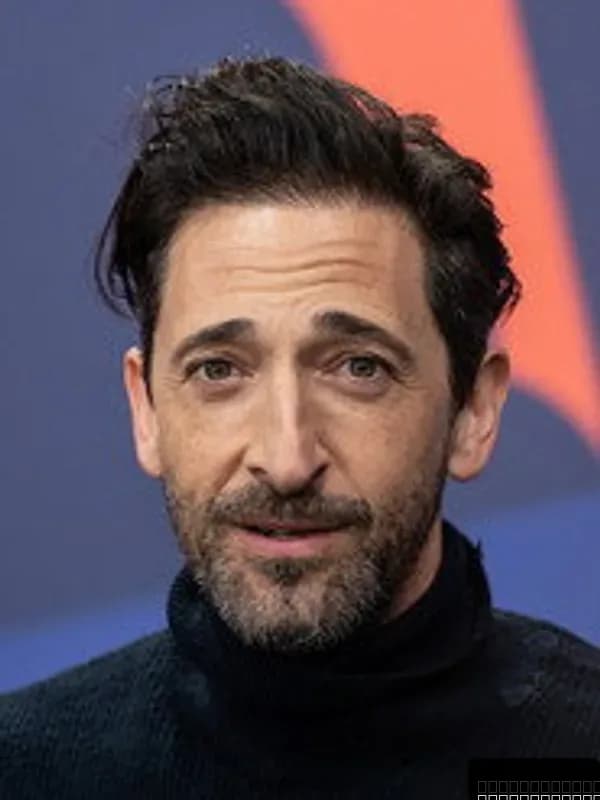
Woody Allen wrote and directed Midnight in Paris in 2011, and the film became one of his most commercially successful ventures, earning $56.8 million worldwide—no small feat for a romantic fantasy comedy that could've easily felt too whimsical or self-indulgent in less capable hands. The cast brought serious pedigree to the project. Owen Wilson, known for his laid-back charm in films like The Royal Tenenbaums, carries the film with a vulnerability that's both funny and genuinely moving. Rachel McAdams plays his fiancée Ester with a precision that makes her materialism feel like a real character flaw rather than a caricature. The supporting ensemble is stacked: Marion Cotillard as a mysterious woman from the past, Adrien Brody as an absurdly pretentious Salvador Dalí, and Kathy Bates delivering one of cinema's best Gertrude Stein impersonations.
The film's critical and awards recognition was substantial. It holds a 93% Fresh rating on Rotten Tomatoes, an 81 Metascore, and a solid 7.6 on IMDb from nearly 470,000 voters. Most impressively, Midnight in Paris won the Academy Award for Best Original Screenplay—a recognition that speaks to how much the industry valued Allen's script. The film earned 26 wins and 103 nominations across major ceremonies, cementing its place as one of Allen's most celebrated works. It's rated PG-13, making it accessible to a broader audience than some of his more adult-oriented comedies, though the humor and themes are sophisticated enough that adults will find plenty to chew on.
What Makes Midnight in Paris Stand Out
What's striking is how the film manages to be both a love letter to Paris and a critique of the very nostalgia it's romanticizing. Allen shoots the city with an almost documentary-like reverence—those opening sequences of Paris at dawn, the streets empty and perfect, are genuinely breathtaking. But he's not just making a tourist film. He's exploring something much messier: the human tendency to mythologize the past, to imagine that some other era had it figured out while we're stuck in the mundane present.
Owen Wilson's performance is the emotional anchor here. He plays Gil with a kind of earnest befuddlement—this guy who's successful by conventional standards but feels like a fraud, who'd rather talk about Fitzgerald than close a real estate deal. There's a scene where he's trying to explain his feelings to his fiancée, and the gap between what he's saying and what she's hearing is so perfectly calibrated that it's both hilarious and heartbreaking. The supporting cast shines too. Adrien Brody's Dalí is so over-the-top that he shouldn't work, but he does—he's funny precisely because he commits to the absurdity without winking at the camera.
I keep coming back to how the film doesn't take the easy way out. It'd be simple to make this a story where Gil escapes to the past and lives happily ever after. Instead, Allen uses the time travel as a device to explore what we're actually running from—and whether running toward the past is any better than running away from the present. The script won an Oscar for a reason. It's smart, it's funny, and it's got real emotional stakes underneath all the fantasy and whimsy.
Where to Stream Midnight in Paris Online
Midnight in Paris is currently available on Netflix, making it easy to access whenever you're in the mood for Allen's brand of romantic escapism. Check the Where to Watch widget at the top of this page for current availability across all platforms, as streaming rights can shift. Movie OTT tracks these changes in real time, so if you're looking for where to catch this film or any other title, you'll find up-to-date information on which services have it. The 94-minute runtime means it's perfect for a weeknight watch, and the fact that it's on a major streaming service makes it one of Allen's most accessible films for general audiences.
Frequently asked questions
Q: Who directed Midnight in Paris?
Woody Allen wrote and directed Midnight in Paris. The film won him the Academy Award for Best Original Screenplay in 2012, marking one of the highlights of his directing career.
Q: Is Midnight in Paris based on a true story?
No, Midnight in Paris is an original screenplay by Woody Allen, not based on a novel or pre-existing source material. However, the historical figures who appear in the 1920s sequences—Hemingway, Fitzgerald, Dalí, and others—were real people, and Allen draws on actual literary and artistic history.
Q: What's the runtime of Midnight in Paris?
The film runs 94 minutes, making it a relatively brisk romantic comedy that moves quickly through its fantastical premise without overstaying its welcome.
Q: Is Midnight in Paris appropriate for kids?
Midnight in Paris is rated PG-13, so it's generally appropriate for teenagers and up. That said, the humor and themes are geared toward adults, and younger viewers might not connect with the film's more literary and nostalgic sensibilities.
Q: How much money did Midnight in Paris make at the box office?
The film earned $56.8 million worldwide, making it one of Woody Allen's most commercially successful films and a significant achievement for a romantic fantasy comedy.
Final Thoughts on Midnight in Paris
There's something timeless about Midnight in Paris that's only grown more relevant as years pass. We're all nostalgic for something—a time we think was better, a version of ourselves we've lost, a place that felt like home. Allen taps into that universal ache while also gently suggesting that maybe, just maybe, the present moment deserves our attention too. It's a film that works as pure entertainment—funny, romantic, visually gorgeous—but also as something more thoughtful and bittersweet. If you haven't seen it, it's absolutely worth your time. And if you have, it's one of those films that rewards revisiting.