What House of Dracula Is Really About
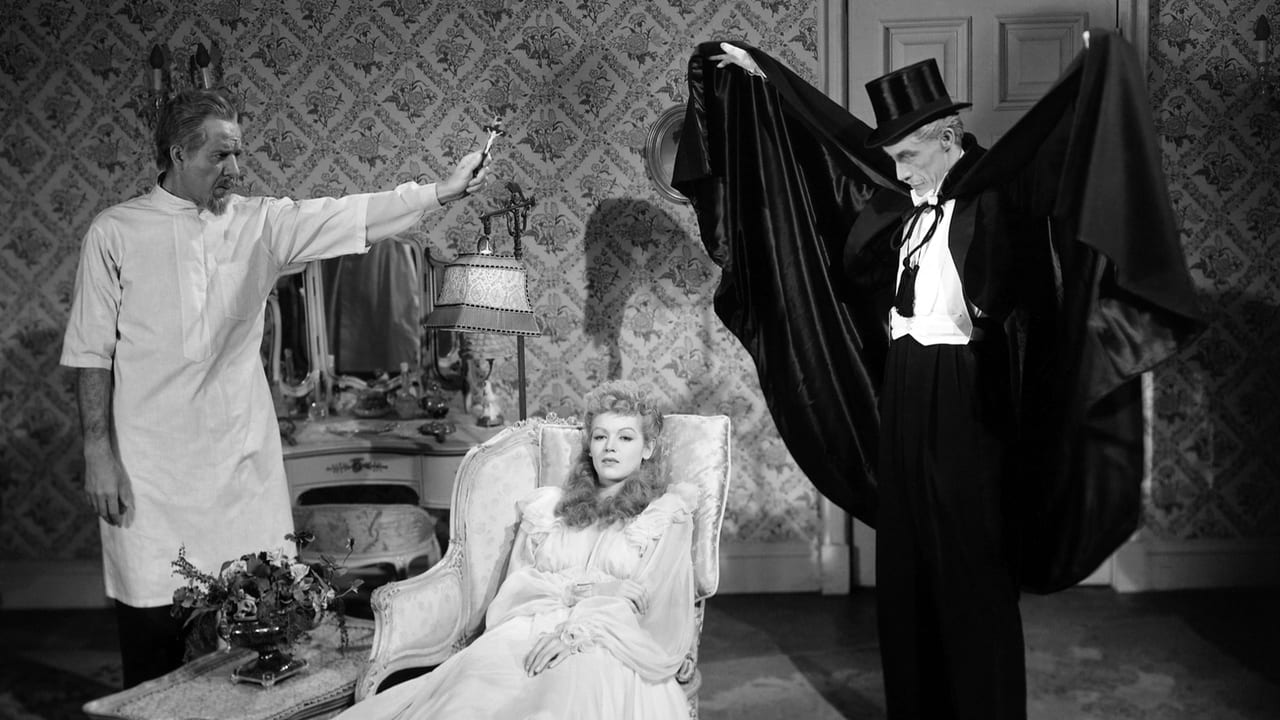
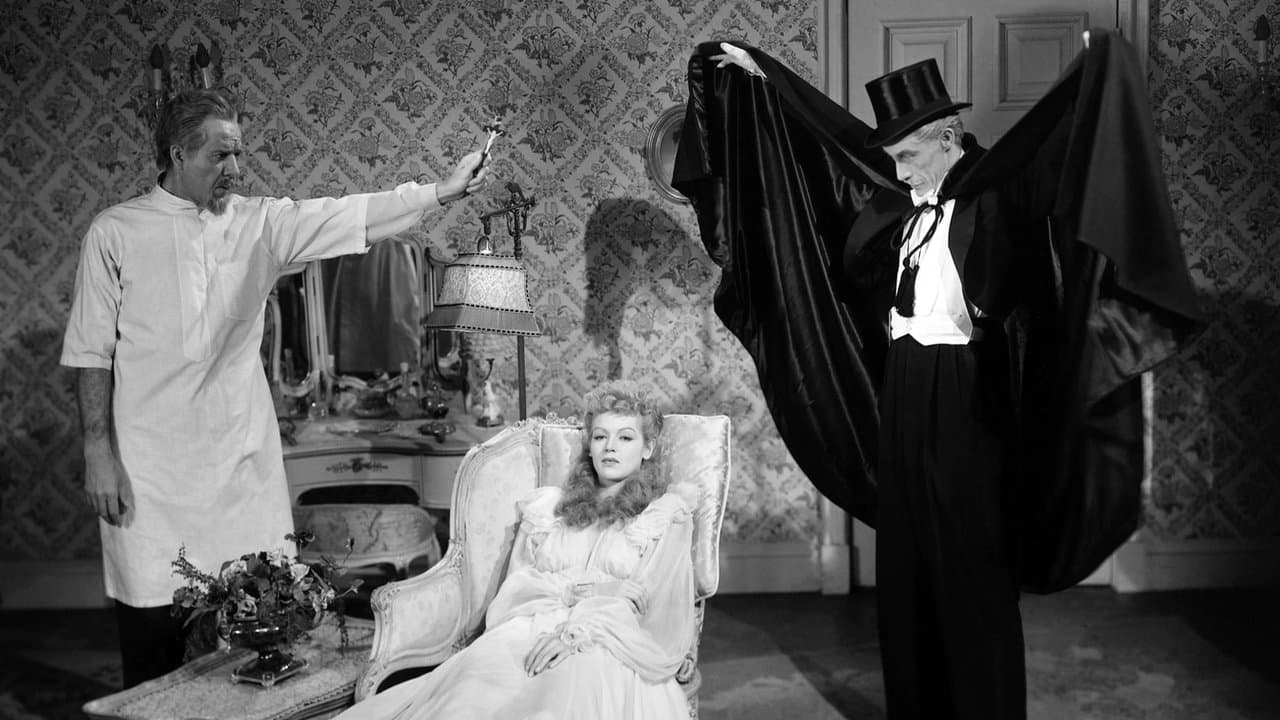
House of Dracula opens with a premise that sounds like a fever dream: a respected physician named Dr. Franz Edelmann receives two desperate visitors at his remote clinic. Count Dracula and Larry Talbot (the Wolf Man) both arrive seeking cures for their afflictions—vampirism and lycanthropy, respectively. Rather than turn them away, Edelmann becomes obsessed with the scientific challenge. He's convinced he can isolate the physical causes of their conditions and reverse them through blood transfusions and experimental treatments. What he doesn't anticipate is that his exposure to Dracula's corrupted blood will slowly poison his own mind, transforming him into something far more dangerous than either of his patients. It's a twisted inversion of the doctor-healer narrative, where the cure becomes the curse.
Behind the Making of House of Dracula
Released by Universal Pictures in 1945, House of Dracula arrived as a direct follow-up to the previous year's House of Frankenstein, which had proven that audiences would pay to see Universal's monster properties collide. Director Erle C. Kenton returned to helm this sequel, working from a script by Edward T. Lowe Jr. The cast was loaded with genre veterans: Lon Chaney Jr. reprised his iconic role as Larry Talbot; John Carradine brought aristocratic menace to Dracula; and Glenn Strange (who'd played the Frankenstein monster in Frankenstein Meets the Wolf Man) returned to the role once again. Martha O'Driscoll played Edelmann's nurse, while Lionel Atwill, Jane Adams, and Onslow Stevens rounded out the ensemble. The film's 64-minute runtime reflects the B-picture economics of the era—these weren't prestige productions, but rather efficient, entertaining studio commodities designed to fill double features and drive box-office traffic during the postwar boom. While House of Dracula didn't generate major critical acclaim or awards recognition, it found its audience in theaters hungry for monster mayhem. Movie OTT tracks where films like this one are currently streaming, making it easier than ever to revisit these Universal classics.
Why House of Dracula Holds a Weird Kind of Power
What's striking about House of Dracula, despite its modest IMDb rating of 5.5/10, is how earnestly it commits to its absurd premise. The performances don't wink at the audience—Carradine plays Dracula with genuine menace, and Chaney delivers genuine pathos as Talbot, desperate to be rid of his curse. The real engine of the film, though, is watching Edelmann's descent. Onslow Stevens plays him with a kind of intellectual arrogance that makes his corruption feel almost inevitable; he's so convinced of his own brilliance that he can't see the danger closing in. There's something almost tragic about it—a man undone not by external evil but by his own ambition and the slow poisoning of his blood. The thing nobody mentions is that this film actually works best when you stop expecting it to be a straightforward monster battle and start watching it as a character study of obsession. The pacing is brisk (you can't waste time in 64 minutes), the makeup effects are competent for 1945, and there's a genuine sense of dread when Edelmann's transformation accelerates toward the climax. It's not a masterpiece, but it's far more coherent and purposeful than its reputation suggests.
Where to Stream House of Dracula Online
House of Dracula is available on major OTT services, and you can check the "Where to Watch" widget at the top of this page to see exactly which platforms currently carry it in your region. Since streaming rights shift regularly, Movie OTT keeps that widget updated so you don't waste time hunting. The film's brief runtime makes it a perfect pick for a late-night horror session or a quick dive into Universal's monster legacy. Whether you're a completist working through the entire Dracula Collection or just curious about 1940s horror, you'll find it readily available.
Frequently Asked Questions
Q: Who directed House of Dracula?
Erle C. Kenton directed the film. He'd also helmed House of Frankenstein the year before, making him the architect of Universal's monster-mashup formula in the mid-1940s.
Q: Is House of Dracula connected to other Universal monster movies?
Yes. It's part of the Universal Dracula Collection and a direct sequel to House of Frankenstein (1944). Glenn Strange's Frankenstein monster even appears in this film, linking the two movies together. Don't expect a tightly plotted saga, though—these were episodic monster encounters.
Q: How long is House of Dracula?
The film runs 64 minutes, which was typical for Universal's B-picture horror output in the 1940s. It's lean, fast-paced, and doesn't overstay its welcome.
Q: What's the plot of House of Dracula in simple terms?
A doctor tries to cure Count Dracula and the Wolf Man scientifically, but gets infected with homicidal madness in the process. It's the inverse of the usual monster-hunter story—the healer becomes the threat.
Q: Why is House of Dracula rated so low on IMDb?
Modern audiences often find 1940s B-horror campy or slow compared to contemporary standards. That said, the film has developed a cult following among horror historians who appreciate its earnest commitment to a genuinely weird premise.
Final Thoughts on House of Dracula
House of Dracula isn't a film everyone will love, but it's absolutely worth watching if you're interested in horror history or the way Universal built its monster universe. The script's central idea—that scientific ambition can corrupt as thoroughly as any supernatural curse—still lands. It's campy, sure. It's also genuinely unsettling in moments. If you can accept a 1945 film on its own terms, you'll find something surprisingly engaging beneath the period production values and theatrical performances. That's the real appeal here.