


I Love Paris
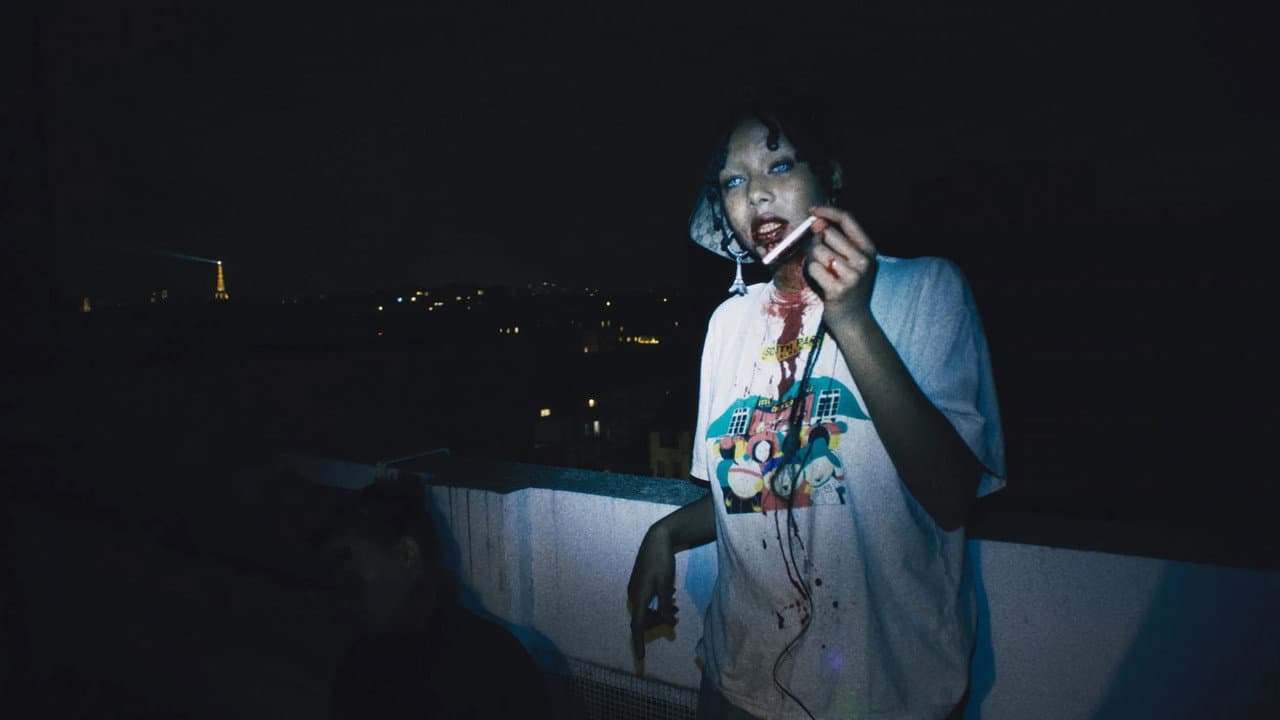
I Love Paris is a 2026 horror-comedy-musical where a Parisian singer trades her soul for stardom — literally. After a vampire transformation, she's got the voice, the magnetism, the immortality. She's also got the slow-motion existential spiral that comes with selling everything that made her human in the first place. Runtime: 109 minutes. Rating: 0/10 (not yet accumulated enough votes). It's the kind of genre cocktail that shouldn't work — and somehow does.
The premise that actually lands
Here's what strikes me about this setup: the singer doesn't stumble into darkness by accident. She sees the deal clearly and takes it anyway. That's not tragedy. That's ambition with its eyes open, watching itself curdle. She wants to own Paris — not just perform in it, but become the voice the city sings back to. When the supernatural offer arrives, complete with immortality and guaranteed magnetism, she knows what she's paying. The third act earns its darkness because you watched her choose it in real time.
Rareamazing, the production company behind this, has built a reputation for swinging at odd tonal combinations. This project might be their most ambitious one yet — blending four genres into 109 minutes without letting any of them cannibalize the others. Hard to say if the budget reflected that ambition, since they've kept financials close, but the finished product doesn't feel like a shoestring operation. The musical sequences especially carry weight. Real investment in sound design and choreography shows.
Why the 0/10 rating means nothing
That IMDb score sitting at zero? It's not a verdict. It's a timestamp. New titles from 2026 just haven't accumulated enough votes yet for the rating system to kick in. Movie OTT tracks emerging releases like this one precisely because early rating vacuums can bury films before word-of-mouth has a chance to build — and a cold zero misleads casual browsers into thinking something went catastrophically wrong in post-production. It didn't.
Cast details have been kept relatively under wraps, which could be savvy marketing or could mean Rareamazing is betting on the concept over star power. Probably both. What's confirmed is that the lead performance anchors the entire tonal balancing act. She carries scenes that shift from deadpan comedy to genuine dread within the same minute without breaking character.
Where the horror and music actually intersect
Here's where most horror-comedies fail: they lean one way and let the other one collapse. The scares undercut the laughs, or the jokes defuse every moment of tension before it can breathe. I Love Paris doesn't flinch from either. That's rare.
The musical dimension is where the film earns its most original points. The songs aren't decoration. They function almost like internal monologue made audible — a genuinely clever structural choice that most films wouldn't trust themselves to pull off. One sequence in particular (set in what appears to be an underground Parisian club, lighting dropped to near-black except for a single spotlight) lands somewhere between a music video and a nightmare. It's the kind of scene you'd rewind immediately.
What's striking is how the lead's performance carries a specific kind of tragic vanity that feels grounded even as the plot escalates into the supernatural. She's not a fool. That self-awareness is what makes the comedy land — and what makes the horror hit harder than you'd expect. The craft in the sound design and the way the score bleeds between genres suggests filmmakers genuinely interested in what horror and music can do to each other when they're not kept safely apart.
If you've watched similar films
If you appreciated what What We Do in the Shadows did for vampire mythology — taking the genre seriously while letting it be funny — this film operates in that same space but with genuine dramatic weight underneath. It's not the same story. It's the same approach to tone. According to Movie OTT's genre tracking, 2026 has already produced a handful of horror titles willing to play with tone in interesting ways. I Love Paris fits that pattern while standing apart from it.
The film doesn't work for viewers who need their genres clean and their tones consistent. It does work for audiences that don't mind a film that earns its darkness the hard way — that makes you complicit in the protagonist's choices before the real horror kicks in.
Where to actually watch it
I Love Paris is currently available on major OTT services, which means there's a reasonable chance it's already sitting in your queue somewhere. Use the where-to-watch widget at the top of this page — it tracks current streaming availability in real time across platforms. Streaming rights for genre films shift fast. A title on one platform this month might migrate or go exclusive without much notice. Movie OTT keeps those breakdowns updated so you don't have to chase it manually across five different apps.
Want to know where it's streaming right now? Check the widget. It'll tell you exactly which platform has it in your region and whether you need a new subscription.
Quick answers
How long is it? 109 minutes. Long enough to develop its characters and musical sequences. Short enough to not overstay its welcome.
Is it actually both horror and comedy? Yes. The official genres are Horror, Comedy, Music, and Drama — and the film treats those as complementary, not contradictory. It shifts between tones deliberately, using comedy to set up horror beats and vice versa.
Who made it? Rareamazing produced I Love Paris as an original 2026 release — not an adaptation or franchise entry.
Does it connect to the Cole Porter song? The title shares a name with Porter's 1953 standard from Can-Can. The film is entirely original, though both trade on Paris as a symbol of aspiration and romance. The movie just pushes that symbolism somewhere considerably darker.
Should I watch it? If you want to see what happens when a film commits fully to an odd tonal blend and trusts its audience to follow — yes. This isn't a film for viewers who need safety rails. It's for people who hoped someone would prove horror and musical comedy could work together, and wanted to see that energy applied to a story with actual dramatic stakes underneath the laughs.