


The Story of Nocturna: When Dracula Met the Disco Era
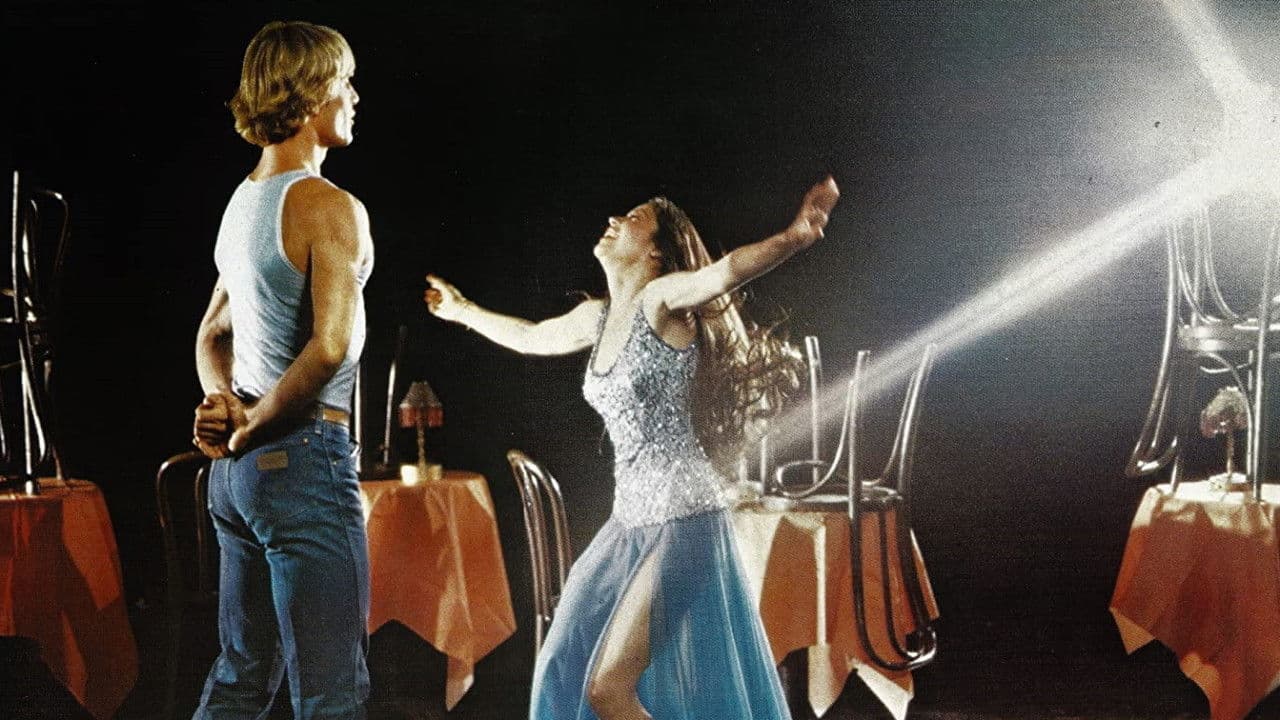
Nocturna is a film that exists in its own peculiar dimension—a 1979 comedy-horror hybrid that takes the Dracula mythos and throws it headfirst into the disco age, with results that are equal parts bewildering and oddly charming. The premise itself is delightfully absurd: the once-mighty House of Dracula has fallen on hard times, and to keep Castle Transylvania afloat, the family's been forced to convert it into a hotel and nightclub. Dracula himself is aging, toothless, and dependent on the care of his granddaughter Nocturna. When a disco group books The Claret Room for a gig, Nocturna spots a backup guitarist named Jimmy and falls hard—but here's where it gets weird. While dancing, she notices something impossible: she can see her reflection in the mirror. That glimpse of mortality sets her on a path to follow Jimmy across the Atlantic to New York, abandoning the family castle in search of becoming human. It's a setup that sounds like a rejected Saturday Night Live sketch, yet the film commits to it with an earnestness that's almost admirable.
Behind the Making of Nocturna: Production, Cast, and Cult Appeal
Nocturna was produced by Compass International Pictures and Nai Bonet Enterprises, with a runtime of 85 minutes that feels both too long and oddly brisk depending on your tolerance for 1970s horror-comedy kitsch. The film arrived in 1979, a year when horror was entering a new phase—the slasher boom was in full swing, but there was still room for oddball experiments like this one. What's striking about Nocturna's production is how it straddles multiple genres without apology: it's simultaneously a horror film (there are vampires, after all), a comedy (the tone is rarely serious for more than a few minutes), and a musical (the disco sequences are genuinely committed to the soundtrack experience). The cast included Nai Bonet in the title role—she was a dancer and actress whose presence gives the film a certain kitschy glamour, though her performance has aged in ways both endearing and cringe-inducing by modern standards. The IMDb rating of 4.471/10 tells you everything you need to know about mainstream critical reception, yet that low score doesn't capture why the film has developed a modest cult following among horror enthusiasts and 1970s pop-culture obsessives. Movie OTT tracks films like this across streaming platforms, making it easier to discover the oddities that traditional critics might dismiss but that offer genuine entertainment value to the right audience.
What Makes Nocturna Stand Out in 1970s Horror-Comedy
The thing nobody mentions is that Nocturna actually works best when you stop expecting it to be a "good" film in any conventional sense and just let it wash over you like a fever dream. The performances are pitched somewhere between camp and sincerity—Nai Bonet commits to the role of a vampire princess discovering mortality with a wide-eyed enthusiasm that's either brilliant or terrible, depending on your mood. The supporting cast leans into the absurdity; watching a decrepit Dracula shuffling around his hotel-castle, dealing with tax problems and disco permits, is genuinely funny in a way that suggests the filmmakers knew exactly what they were doing. The disco sequences aren't just window dressing—they're central to the film's logic. There's something almost poetic about the idea that a vampire, traditionally bound to darkness and shadow, could find liberation and visibility through dance and music under a disco ball. It's a weird metaphor for acceptance and transformation, wrapped up in polyester and synthesizers. The film's commitment to its own absurdity—never winking at the camera, never apologizing for the sheer strangeness of its premise—is what keeps it from being merely forgettable. Sure, the dialogue can be stilted, the pacing occasionally drags, and the special effects are decidedly low-budget, but there's a kind of creative fearlessness here that's harder to find in more polished productions. Movie OTT's streaming guides often highlight how cult films like Nocturna have found new audiences through digital platforms, allowing people to discover these oddities without the gatekeeping of traditional theatrical distribution.
Where to Stream Nocturna Online
Nocturna is available on major OTT services, making it easier than ever to experience this peculiar slice of 1970s horror-comedy yourself. The film's availability across multiple streaming platforms means you don't have to hunt through obscure video rental shops or pay inflated prices on specialty sites—it's right there, waiting to be discovered. Whether you're in the mood for a genuine curiosity piece or you're looking to understand the full spectrum of what horror filmmakers attempted during the disco era, Nocturna is accessible. The "Where to Watch" widget at the top of this page will show you exactly which platforms currently have it available in your region, so you can add it to your queue immediately. Don't sleep on this one if you're a completist about 1970s horror or if you're simply looking for something that'll make you ask, "Wait, what did I just watch?" That's often the best kind of entertainment.
Frequently asked questions
Q: Is Nocturna a serious vampire film or a comedy?
It's genuinely both, though it leans heavily into comedy and camp. The film treats its absurd premise with complete sincerity, which is what makes it work. Don't expect scares—expect strange charm and disco-era weirdness.
Q: Who directed Nocturna and what else have they made?
The film was produced by Compass International Pictures and Nai Bonet Enterprises, though directorial and creative credits reflect the collaborative nature of 1970s independent horror production. It's the kind of film where the exact chain of command is a little murky, which somehow fits its cult status perfectly.
Q: What's the deal with Nocturna seeing her reflection?
In traditional vampire lore, vampires can't see their reflections—it's a sign of their supernatural nature. Nocturna's ability to see herself in the mirror while dancing becomes a symbol of her potential humanity, which drives her entire journey to New York.
Q: Is Nocturna based on a true story or existing novel?
No—it's an original screenplay that reimagines the Dracula mythology for the disco era. The premise of a struggling Castle Dracula converted into a hotel is pure invention, though it riffs on decades of vampire fiction.
Q: Why should I watch Nocturna if it has such a low IMDb rating?
IMDb ratings reflect mainstream appeal, and Nocturna was never made for mainstream audiences. It's a cult film that rewards viewers who appreciate 1970s oddities, horror history, and the kind of fearless creative decisions that don't always land but are fascinating to witness.
Final Thoughts on Nocturna
Nocturna isn't a masterpiece, and I'm not going to pretend it is. But it's a fascinating artifact of 1970s horror cinema—a film that swung for the fences and missed, yet somehow created something memorable in the process. It's the kind of movie that sparks conversation, that makes you wonder what the filmmakers were thinking, that rewards curiosity. If you're tired of seeing the same horror films recommended everywhere, Nocturna offers something genuinely different. Whether you'll love it or be bewildered by it, you won't forget the experience. That's worth something.