






The Story of I Used to Be Funny
I Used to Be Funny opens on Sam, an aspiring stand-up comedian living in Toronto who's trying—and mostly failing—to rebuild her life. She's working as an au pair, performing whenever she can scrape together stage time, and carrying the weight of something she can't quite shake. The film doesn't hand you the answer right away. Instead, it pulls between two timelines: the present, where Sam's attempting to claw her way back to comedy, and the past, where her relationship with Brooke—a young girl she used to nanny—was warm, complicated, and ultimately fractured by disappearance. What starts as a mystery about a missing teenager becomes, really, a story about how trauma lives inside you and won't leave until you look it square in the face.
The genius of the premise is that it doesn't feel gimmicky. Sam's PTSD isn't window dressing; it's the actual texture of the film. She's not a character who has trauma. She's a person trying to function while her brain won't let her. The comedy doesn't punch down at her—it's the dark, uncomfortable laughter that comes from watching someone refuse to be fixed, refuse to move on neatly, refuse to perform wellness for anyone's comfort.
Behind the Making of I Used to Be Funny
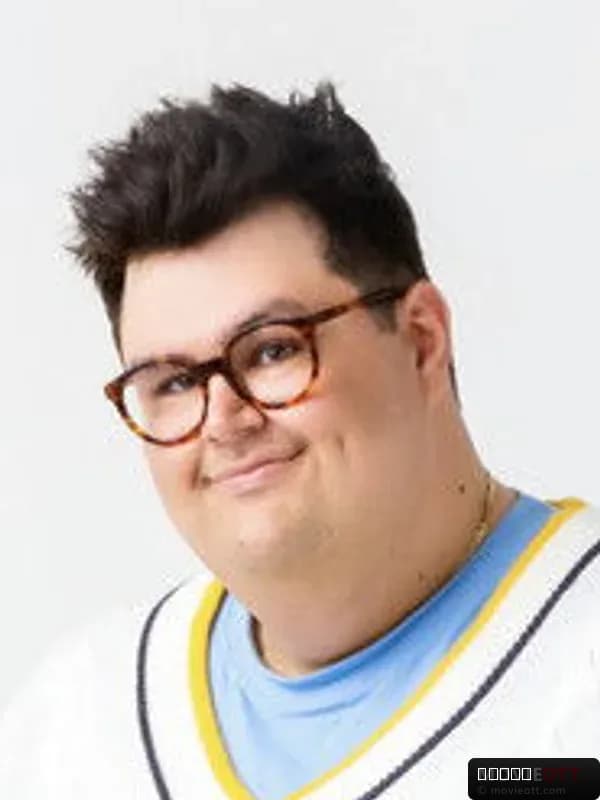
I Used to Be Funny is a 2024 Canadian independent production from Barn 12 and Crave, written and directed by Ally Pankiw in her feature debut. The film runs 106 minutes and carries a runtime that lets the story breathe—not rushing the emotional beats or the mystery. Rachel Sennott anchors the entire picture as Sam, bringing a fearlessness to a role that could've easily become maudlin in less capable hands. The supporting cast includes Sabrina Jalees, Caleb Hearon, Ennis Esmer, Dani Kind, and Jason Jones, each grounding the film's tonal shifts between dark comedy and genuine dread.
Pankiw's directorial voice is assured and unsentimental. She's not interested in making you feel better by the end—she's interested in making you feel something, which is harder. The film premiered at festivals and has found its way to major streaming platforms, making it accessible to audiences who might otherwise miss a smaller Canadian indie. What's striking about the production is how it refuses to be a crime thriller wearing a comedy mask, or vice versa. It's genuinely both, which means it won't satisfy viewers looking for genre clarity, but it'll haunt those who surrender to its particular wavelength. The IMDb rating of 6.7/10 reflects that divisiveness—some viewers want more answers, more closure, more traditional narrative payoff. Others recognize what Pankiw's actually doing: making a film about how some questions don't get answered, and how we have to live in that uncertainty anyway.
What Makes I Used to Be Funny Stand Out
Here's what you won't find in most dark comedies about trauma: earnestness. Pankiw doesn't wink at the audience or use humor as a shield. Instead, she lets Sam's comedy—the actual stand-up material we see her perform—be genuinely funny and genuinely revealing. There's a scene where Sam's on stage, and the gap between what she's saying for laughs and what she's actually processing is so wide you can feel it. That's the film's core tension, and it's executed with real precision.
The performances that anchor I Used to Be Funny are doing something subtle. Sennott doesn't play Sam as likable or sympathetic—she plays her as real. She's selfish sometimes. She's avoidant. She makes choices that don't make sense until you realize they're the only choices her trauma will let her make. Critics have recognized this. Screen Zealots noted how the film "intertwines mystery and emotional depth to create a compelling narrative" while "exploring the various complexities of trauma, recovery, and healing in a refreshing, honest way." That honesty is rare. Most films about mental health want to be inspirational or cautionary. I Used to Be Funny just wants to be true.
What's also working here—and I keep coming back to this—is the refusal to make Brooke's disappearance about Sam. The missing girl isn't a plot device to unlock Sam's character arc. Instead, Sam's guilt and avoidance around Brooke's disappearance are symptoms of how trauma makes us small, how it narrows our world until we're only thinking about ourselves. That's not a flaw in the character. That's the film's thesis, and it's brutal.
Where to Stream I Used to Be Funny Online
I Used to Be Funny is available on major OTT services—check the where-to-watch widget at the top of this page to see exactly which platforms are currently carrying it in your region. Streaming availability can shift, so Movie OTT tracks real-time updates across all the major services. If you're looking for a film that won't coddle you, that trusts you to sit with discomfort and complexity, this one's worth hunting down. It's the kind of smaller release that can easily get lost in the noise, but it deserves your attention.
Frequently Asked Questions
Q: What is I Used to Be Funny about?
The film follows Sam, a struggling stand-up comedian dealing with PTSD while confronting her past connection to Brooke, a teenage girl who goes missing. It weaves between present-day recovery and memories of their relationship, blending dark comedy with genuine emotional stakes.
Q: Who directed I Used to Be Funny?
Ally Pankiw wrote and directed the film in her feature debut. It's a Canadian independent production that premiered in 2024 and marks a confident directorial voice that refuses easy answers.
Q: Is I Used to Be Funny based on a true story?
No, it's an original screenplay written by Pankiw. While it draws on real emotional truths about trauma and recovery, the story itself is fiction.
Q: How long is I Used to Be Funny?
The film runs 106 minutes, giving it enough breathing room to develop both timelines and let the tonal shifts between comedy and drama land with full weight.
Q: Where can I watch I Used to Be Funny?
It's currently streaming on major OTT platforms. Use the where-to-watch widget on this page to find which service has it available in your area, or check Movie OTT for the latest streaming updates.
Final Thoughts on I Used to Be Funny
This isn't a film for everyone—and that's its strength. If you're looking for neat resolutions, uplifting arcs, or characters who learn and grow in satisfying ways, look elsewhere. But if you want to watch an intelligent, unflinching film about how trauma warps our choices, how guilt can be a kind of paralysis, and how sometimes the bravest thing is just admitting you're not okay, I Used to Be Funny is essential. Sennott's performance alone is worth the runtime. The fact that it's wrapped in a film this thoughtful makes it unmissable.