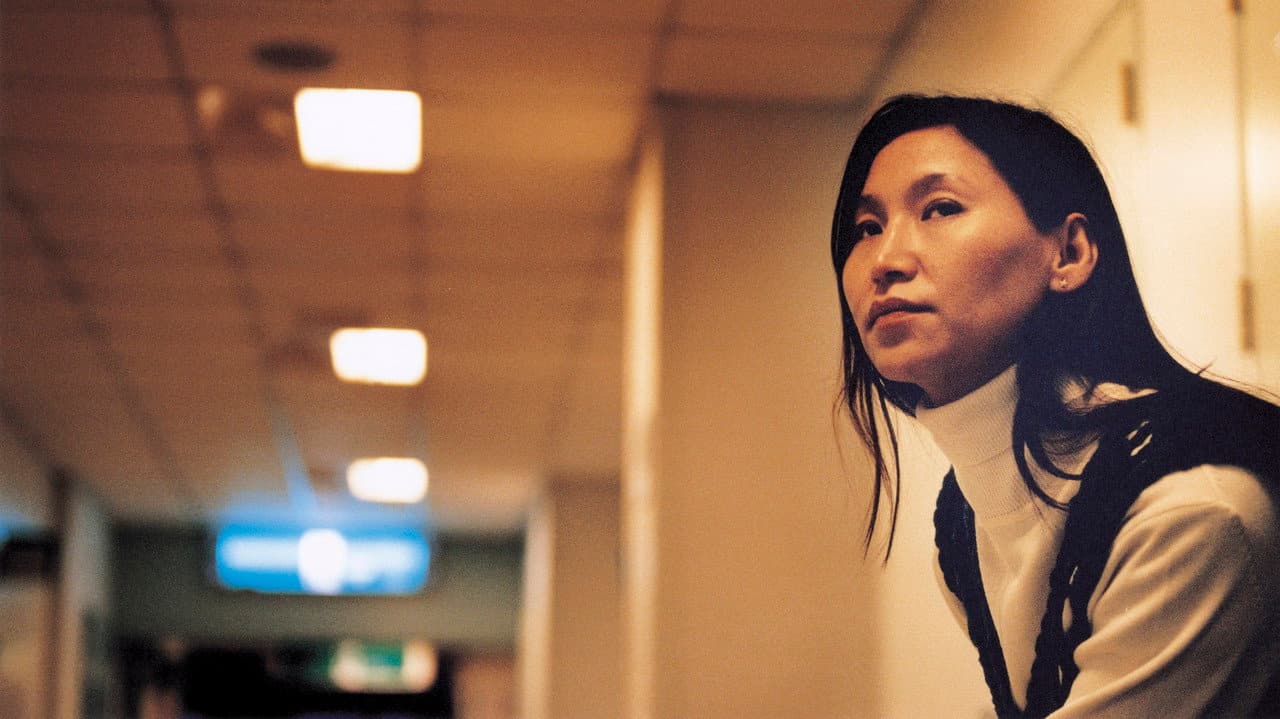





What If You Were Me explores about discrimination in modern Korea
If You Were Me isn't your typical narrative film. It's an omnibus—six separate stories, six different directors, one shared mission: to make you sit with discomfort. Released in 2003, this anthology came together under an unusual commission from South Korea's National Human Rights Commission, which gave each director ₩50 million and essentially said: tell us what's broken in our society. The result is a film that refuses easy answers, that doesn't look away when things get ugly, and that trusts audiences to think for themselves about what they're witnessing on screen.
Each segment tackles a different form of prejudice operating in Korea—some overt, some so normalized that they've become invisible. We're talking about the exploitation of migrant workers, the treatment of people with disabilities, the casual sexism embedded in everyday life, and darker subjects that most mainstream films won't touch. The film doesn't announce its themes with a megaphone. It just shows you a life, a moment, a choice, and lets you feel the weight of it.
Behind the making of If You Were Me and its creative pedigree
The genesis of If You Were Me is almost as interesting as the film itself. The National Human Rights Commission of Korea wanted to create something that could spark conversation about systemic inequality, so they approached six of the country's most respected directors and gave them complete creative freedom. That's rare. Usually, commissions come with strings attached. Here, the only string was the theme: human rights.
Park Chan-wook, who'd already made a name for himself with films like Sympathy for Mr. Vengeance, directed the opening segment about a Nepalese woman working illegally in Korea—a story rooted in real-world exploitation that most audiences had never considered. Jeong Jae-eun tackled one of society's most taboo subjects: a man released from prison after serving time for a crime against children, forced to navigate a community that wants him gone. Yeo Gyun-dong invited disabled actor Kim Moon-joo to re-enact his most famous protest, blurring the line between documentary and drama. Im Soon-rye used dark comedy to expose the ingrained sexism of Korean men. Park Jin-pyo confronted the absurdity and horror of children undergoing oral surgery to improve their English pronunciation—a practice that was (and maybe still is) more common than you'd think.
The film premiered to critical respect rather than commercial fanfare. It wasn't a box-office juggernaut, but it found its audience among critics and festival programmers who recognized what it was doing. The IMDb rating sits at 6/10, which actually tells you something important: this isn't a film everyone will love, and it's not meant to be. It's meant to provoke. Since then, the If You Were Me franchise has expanded—three live-action sequels followed, along with two animated films exploring similar themes. What started as a single commission became a series.
Why If You Were Me stands out in Korean cinema and beyond
What's striking about If You Were Me is how it refuses sentiment. There's no swelling music to tell you how to feel, no convenient moral arc that wraps everything up. The Nepalese woman's story doesn't end with justice. The man released from prison isn't redeemed by the film's conclusion—he's just there, existing in a world that despises him. The disabled actor's protest segment doesn't celebrate his triumph; it documents his exhaustion. These aren't character studies that build toward catharsis. They're slices of injustice that linger.
I keep coming back to the segment about children and oral surgery. On the surface, it sounds almost comedic—absurd, even. But Park Jin-pyo shoots it with such matter-of-fact precision that you can't laugh. You're watching kids in pain, parents desperate to give their children an advantage, and a society that's decided this is acceptable. That's the film's real power—it takes things we've normalized and makes them visible again. It's not trying to be subtle about it, but it's not preachy either. The directors trust the material to speak for itself.
The performances across all six segments are uniformly strong, partly because the directors cast carefully and partly because the material itself demands authenticity. When you're dealing with real-world suffering—immigration, disability, trauma, exploitation—actors can't phone it in. The film also benefits from its formal variety. Each director brings their own visual language. What works in one segment might not work in another, but that's the point. Diversity of perspective is built into the structure.
Where to stream If You Were Me online
If You Were Me is available on major OTT services, and Movie OTT maintains an up-to-date list of where you can watch it right now. Streaming availability varies by region and changes frequently, so checking the Where to Watch widget at the top of this page will show you exactly which platforms currently have it in your area. Since it's a 2003 film with international appeal and serious critical credentials, it tends to show up on curated streaming services that specialize in world cinema and festival selections. The 110-minute runtime means you can fit it into an evening, though you'll want to be in the right headspace—this isn't background-viewing material.
Frequently asked questions
Q: Who directed If You Were Me?
Six Korean directors each helmed one segment: Park Chan-wook, Jeong Jae-eun, Yeo Gyun-dong, Im Soon-rye, Park Jin-pyo, and one more. Park Chan-wook's segment is probably the most recognized, given his later international success with films like Oldboy.
Q: Is If You Were Me based on true stories?
Park Chan-wook's segment about the Nepalese woman is rooted in real-life exploitation of migrant workers in Korea. Other segments address real social issues and documented practices, though they're not strict documentaries—they're dramatized explorations of systemic problems.
Q: How long is If You Were Me?
The film runs 110 minutes total across all six segments, so each short averages about 18 minutes, though they vary in length.
Q: What does If You Were Me mean?
The title is an invitation—a challenge to empathy. It asks: what would you do if you were in this person's situation? What would you feel? The film doesn't answer for you; it just asks you to imagine.
Q: Has If You Were Me spawned sequels?
Yes. Three live-action sequels followed, along with two animated films, all exploring human rights themes in Korea. The franchise became an ongoing project rather than a one-off commission.
Final thoughts on If You Were Me
If You Were Me won't make you feel good. That's not its job. What it will do is make you think about people you've probably never considered—migrant workers, released prisoners, disabled people, kids with braces, women navigating casual misogyny. It'll make you uncomfortable, which is exactly what it's supposed to do. That discomfort is where growth starts. For anyone interested in how cinema can function as social commentary without becoming preachy, or in Korean filmmaking beyond the mainstream, this is essential viewing.