








The story of Waikiki Brothers and its band on the brink
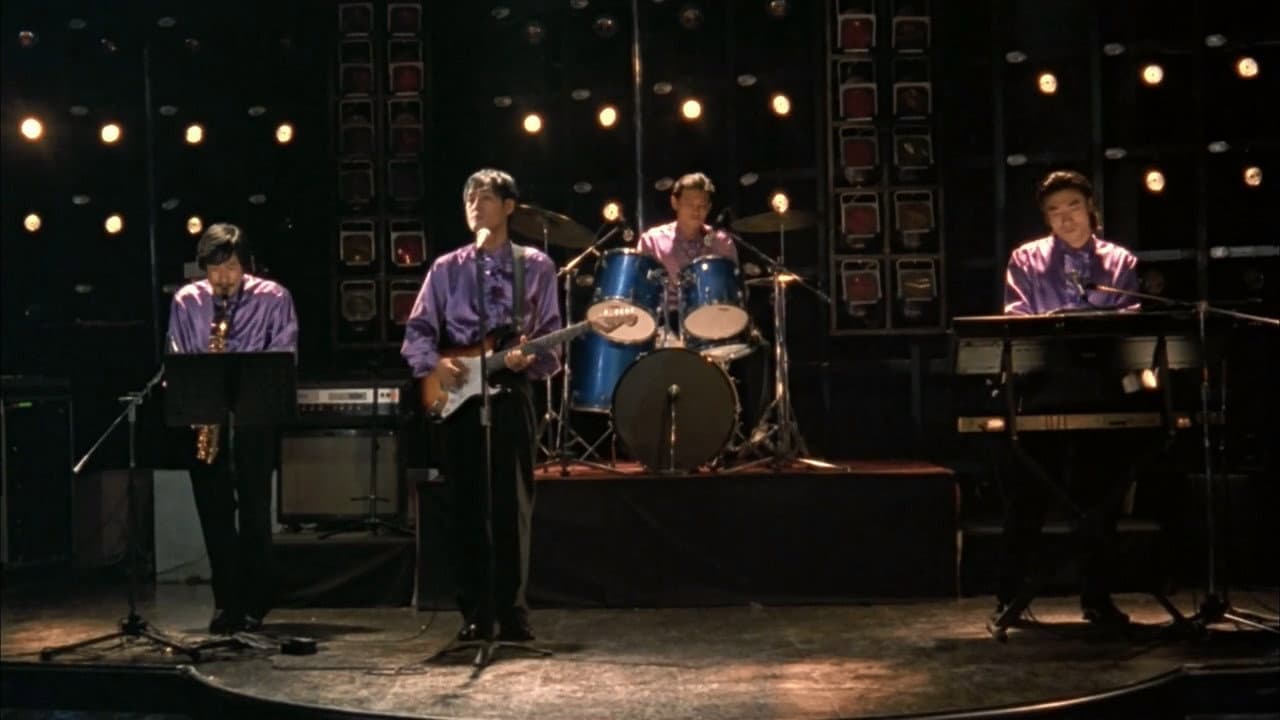
Waikiki Brothers isn't your typical feel-good music film. It's a story about a band going nowhere—and what happens when you're forced to stop running and face that fact. The three remaining members of the Waikiki Brothers have been grinding it out on the road, playing gigs that barely pay, until their saxophonist finally quits. It's the kind of quiet betrayal that doesn't come with fanfare. Instead of breaking up, the three decide to push on, which is where the real story begins. They end up back in the lead singer's hometown, a place that used to thrive as a popular hot spring resort back in the '80s—but like the band itself, those glory days are long gone. What unfolds is less about a triumphant comeback and more about reckoning with the past. Previous disappointments. Lost love. Unemployment. Tragedy. These aren't plot devices; they're the texture of real life for people who bet on a dream that didn't quite pan out.
Behind the making of Waikiki Brothers and its production pedigree
Waikiki Brothers arrived in 2001 as a collaboration between two major Korean production houses: Myung Films and CJ Entertainment, the latter a powerhouse in Korean cinema that would go on to produce some of the country's biggest commercial and critical successes. The film runs 109 minutes, giving it room to breathe—this isn't a snappy indie quick-fix, but a full-bodied character study. At 6.75 on IMDb, it's earned a respectable if not blockbuster reputation, the kind of film that attracts a specific audience rather than chasing mass appeal. The official tagline—"Take a look at the true life!"—signals the filmmakers' commitment to authenticity over sentimentality. That's a bold move in the music-film genre, where audiences often expect catharsis or at least a rousing final act. Instead, Waikiki Brothers opts for something harder to pull off: honest observation. The cast and crew brought serious dramatic chops to the project, treating the band members' struggle not as a backdrop for rock-and-roll excess but as a genuine exploration of what it means when the dream starts to feel like a burden.
What makes Waikiki Brothers stand out as a character-driven drama
What's striking about Waikiki Brothers is how it refuses easy answers. The band doesn't suddenly find success, and returning home doesn't magically heal old wounds—if anything, it makes them more visible. The film's strength lies in its performances, which feel lived-in rather than acted. You can see the exhaustion in these characters, the way disappointment has worn grooves into their faces. There's a scene where the lead singer encounters someone from his past, and the awkwardness of that moment—the things left unsaid, the years that can't be recovered—captures something true about nostalgia that most films miss. It's not romantic. It's not even particularly sad in a melodramatic way. It's just the quiet ache of time passing and people changing. I keep coming back to how the film treats the hometown itself as a character. The '80s resort, now faded and struggling, mirrors the band's trajectory perfectly. Both represent a moment of prosperity that's slipped away, leaving behind only the infrastructure of what used to matter. The cinematography doesn't shy away from this decay; it lingers on it. That kind of restraint—showing us the rust and the empty spaces rather than cutting away to something prettier—is what separates Waikiki Brothers from more commercially minded dramas. Movie OTT helps you track where films like this are streaming, since they're often harder to find than mainstream releases.
Where to stream Waikiki Brothers on major OTT services
Waikiki Brothers is currently available on major OTT services, making it more accessible than it might have been even a few years ago. The film's presence on streaming platforms has introduced it to viewers who might never have encountered it in theaters or through traditional home video releases. If you're browsing your streaming library and wondering whether it's worth your time, the answer depends on your appetite for character-driven drama over plot-driven excitement. This isn't a film that will blow up your social media feed or generate think pieces about plot twists. It's the kind of movie you watch on a quiet evening, maybe when you're thinking about your own compromises and roads not taken. The "Where to Watch" widget at the top of this page will show you exactly which platforms currently carry it in your region, so you don't have to hunt across multiple services.
Frequently asked questions
Q: Who directed Waikiki Brothers and what's their background?
The film was directed by a Korean filmmaker working within the dramatic tradition that values character and atmosphere over spectacle. The production involved both Myung Films and CJ Entertainment, two respected Korean studios known for taking creative risks on character-driven projects.
Q: Is Waikiki Brothers based on a true story?
While the film isn't a direct biographical adaptation, its tagline—"Take a look at the true life!"—suggests it's grounded in authentic observation of how bands actually struggle and how people actually return to their hometowns. The emotional truths feel lived-in rather than invented.
Q: What genre is Waikiki Brothers, and who should watch it?
It's classified as a drama with music elements, not a traditional musical or concert film. It's best suited for viewers who appreciate character studies and don't need a tidy ending or a triumphant moment to feel satisfied by a story.
Q: How long is Waikiki Brothers?
The film runs 109 minutes, giving it enough time to explore its characters and setting without feeling bloated. That runtime allows for quiet moments and reflection rather than constant plot momentum.
Q: Why isn't Waikiki Brothers more well-known outside Korea?
Like many international films from the early 2000s, it faced distribution challenges and didn't have the marketing muscle of bigger productions. Its understated approach—no explosions, no romantic comedy beats, no easy resolutions—also makes it a harder sell to mainstream audiences.
Final thoughts on Waikiki Brothers
Waikiki Brothers is a film for people who've ever wondered what happens to the dreams you don't achieve. It doesn't offer comfort, and it doesn't pretend that showing up and trying harder will fix everything. That's what makes it valuable. In a genre often built on fantasy and redemption, this 2001 Korean drama insists on looking at the actual texture of failure and disappointment—and finding something human and worth watching there. If you're in the mood for something that respects your intelligence and your own experience with compromise, it's worth seeking out.