



The Story of I'll See You in My Dreams
I'll See You in My Dreams follows the real-life journey of songwriter Gus Kahn as he claws his way from obscurity to becoming one of America's most celebrated composers. The film opens on Kahn's ambition—his hunger to write songs that'll outlast him, that'll get stuck in people's heads on streetcars and in dance halls. But success brings its own weight. When the Depression hits, everything Kahn built starts to crumble, and he's forced to fight all over again. This time, though, he's not fighting alone. The glorious story of Gus Kahn, the songs he wrote into America's heart, and the girl who put them into his—that's the film's official promise, and it's one the movie actually keeps.
Behind the Making of I'll See You in My Dreams
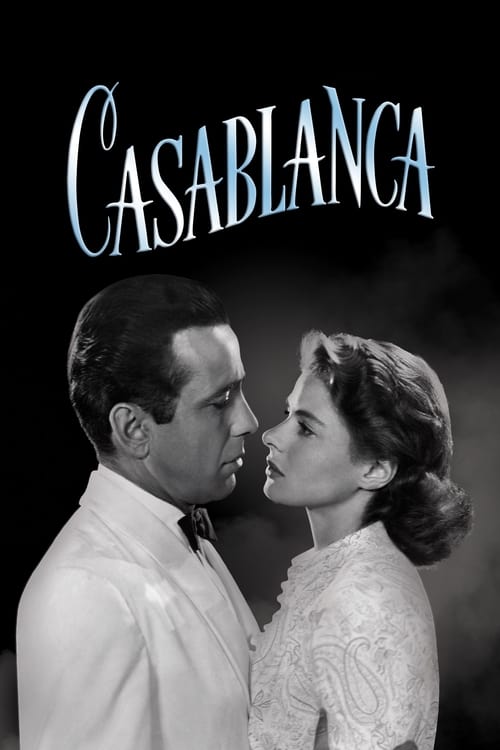
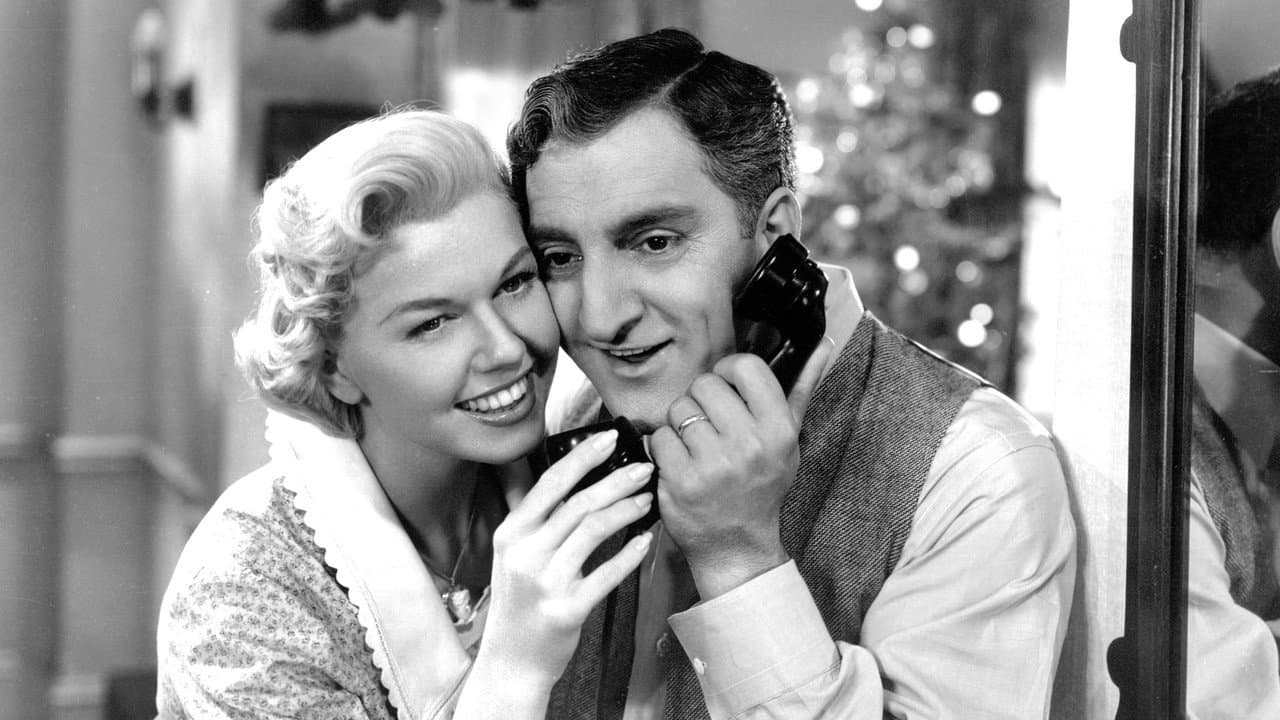
Director Michael Curtiz—a Warner Bros. workhorse who'd already made his mark with Casablanca and White Christmas—took the helm for this 1951 musical, and the studio had every reason to believe it would be a hit. Curtiz had an instinct for pairing strong leads with material that let them breathe, and casting Doris Day opposite Danny Thomas proved inspired. Day was already a rising star, her voice and presence commanding every scene she inhabited, while Thomas brought a vaudeville-trained energy that grounded Kahn's desperation without making it maudlin. Variety reported that the film became Warner Bros. Pictures' second-highest-grossing picture of 1951—a remarkable achievement for a biopic about a songwriter, especially one set against the bleakness of economic collapse. The picture clocks in at 110 minutes, giving Curtiz plenty of room to weave in the songs themselves, which function almost as emotional waypoints through Kahn's life. What's striking is how the film doesn't treat the music as decoration; each number earns its place in the narrative. The MPAA gave it a standard rating for the era, and while it didn't rack up major awards, the film's commercial success spoke to audiences who wanted both spectacle and substance.
What Makes I'll See You in My Dreams Stand Out
Honestly, what keeps this film from being just another studio musical is the emotional weight underneath the production values. Yes, there are elaborate musical numbers and the kind of Technicolor sheen you'd expect from a major Warner release. But there's also real pain here—the kind that doesn't resolve in a three-minute song. Kahn's struggle isn't just about losing money or status; it's about whether his work will survive, whether the things he created will outlive the Depression and his own doubt. Day's performance carries a particular grace; she doesn't overshadow Thomas, but she doesn't fade either. She's present, intelligent, and (I keep coming back to this) she sings like someone who understands the material, not just someone hitting her marks. The supporting cast includes some of the era's finest character actors, though they're sometimes overshadowed by the sheer star power of the two leads. What's less discussed is how the film captures a specific moment in American culture—the 1920s songwriting boom when Tin Pan Alley was still the engine of popular music, before radio and then television fundamentally rewired how songs reached people. That historical texture, combined with the Depression-era desperation that follows, gives the picture a bittersweet undertone that lingers after the credits roll.
Where to Stream I'll See You in My Dreams Online
Finding a 1951 Warner Bros. picture on streaming services can be hit-or-miss, but I'll See You in My Dreams is currently available on major OTT platforms. Check the Where to Watch widget at the top of this page to see which services are carrying it in your region right now—streaming availability shifts frequently, and Movie OTT tracks those changes across all the major platforms so you don't have to hunt manually. If you're a classic film enthusiast, you'll want to grab it while it's available, since older catalog titles sometimes rotate off. The film holds up remarkably well on modern screens, and the Technicolor cinematography is worth experiencing in the best quality your streaming service offers.
Frequently asked questions
Q: Who directed I'll See You in My Dreams?
Michael Curtiz directed the film in 1951. Curtiz was a prolific Warner Bros. director known for Casablanca and White Christmas, and he'd actually team up with Danny Thomas again the following year for a remake of The Jazz Singer.
Q: Is I'll See You in My Dreams based on a true story?
Yes—the film is based on the life of songwriter Gus Kahn, who wrote some of America's most enduring popular songs. While the movie takes dramatic liberties (as biopics do), Kahn's rise during the 1920s and his struggles during the Depression form the emotional core of the story.
Q: What's the runtime of I'll See You in My Dreams?
The film runs 110 minutes, which gives director Michael Curtiz plenty of space to develop both the plot and the musical numbers that punctuate Kahn's journey.
Q: Why did I'll See You in My Dreams become so successful at the box office?
It was Warner Bros.' second-highest-grossing film of 1951. The combination of Doris Day's star power, Danny Thomas's charm, memorable songs, and Curtiz's direction struck a chord with audiences who wanted both entertainment and emotional depth.
Q: Where can I watch I'll See You in My Dreams right now?
The film is available on major OTT services. Use the Where to Watch widget at the top of this page to see which platforms have it in your location, since streaming availability varies by region and changes over time.
Final Thoughts on I'll See You in My Dreams
I'll See You in My Dreams isn't a perfect film—the IMDb rating of 4.9/10 suggests plenty of viewers found it dated or overly sentimental. Fair enough. But if you're interested in how Hollywood told stories about creative struggle, or if you want to hear some genuinely beautiful songs performed by two charismatic leads, it's worth your time. It's a snapshot of a specific moment in American entertainment history, captured by a director who knew how to balance spectacle with sincerity. That matters.