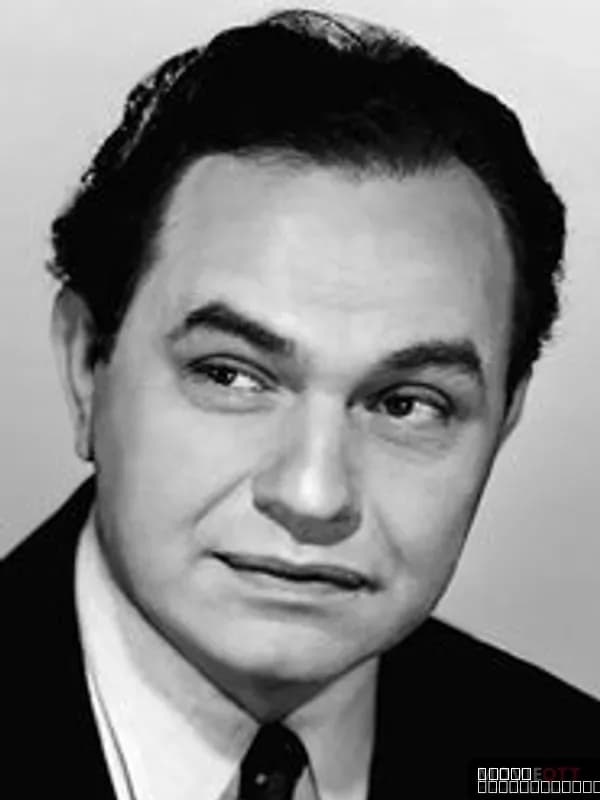

The story of Illegal unfolds in the shadows of the American justice system
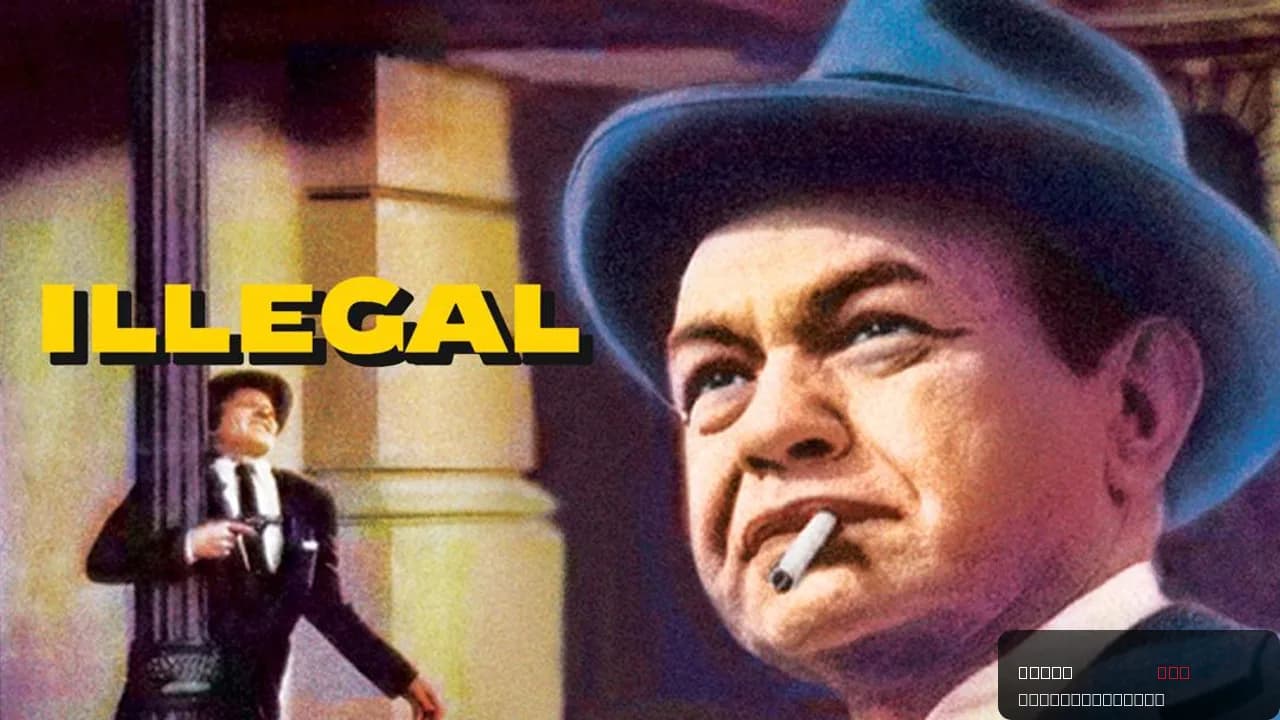
Illegal tells the story of a man broken by his own success. Victor Scott is a ruthless district attorney at the top of his game—the kind of prosecutor who wins cases, builds a reputation, and never looks back at the wreckage. Then comes the moment that changes everything: he realizes he's sent an innocent man to the electric chair. The weight of that knowledge doesn't hit him gently. It destroys him. What follows is a descent into alcoholism and professional ruin, the kind of fall that seems irreversible. But when his former assistant is charged with murder—a crime she didn't commit—Scott sees his only path to redemption. He'll use every trick he learned as a prosecutor, every manipulation and courtroom strategy, to prove her innocence and maybe, just maybe, save something of himself in the process.
The film doesn't waste time with sentiment. It's a propulsive 87-minute examination of how the pursuit of justice can become a corruption of it, and how one man's guilt might be the only honest thing left in his life.
Behind the making of Illegal: Lewis Allen directs a noir about power and consequence
Illegal arrived in 1955 as the third film adaptation of Frank J. Collins' 1929 play "The Mouthpiece," following earlier versions titled The Mouthpiece and The Man Who Talked Too Much. Director Lewis Allen, known for his work in suspense and noir, brought a keen eye for moral ambiguity to the material. Edward G. Robinson anchors the film with the kind of weathered intensity only he could muster—a performer who'd spent decades playing men on both sides of the law, and who understood the thin line between them.
The supporting cast reads like a who's who of mid-century Hollywood character work: Nina Foch as the loyal assistant, Hugh Marlowe as her fiancé, and Jayne Mansfield in an early film role that showed her range beyond the bombshell typecasting she'd endure. Albert Dekker and Ellen Corby round out a ensemble cast that treats the material with the gravity it deserves. Robinson's performance in particular carries the film—he plays Scott not as a sympathetic drunk but as a man whose arrogance and ambition created the conditions for his own catastrophe, making his redemption arc feel earned rather than handed to him.
The film was released during the tail end of Hollywood's classic noir period, when audiences still craved stories about moral corruption and legal systems gone wrong. While box office figures from 1955 aren't always reliable, the film found its audience among noir enthusiasts and courtroom drama fans. It's the kind of picture that's aged well precisely because it doesn't sentimentalize its protagonist or offer easy answers about justice.
What makes Illegal stand out: Robinson's performance and the film's moral clarity
What's striking about Illegal is that it never lets you off the hook as a viewer. You can't root for Scott unconditionally because the film won't let you. He's guilty of the very crimes he prosecutes others for—arrogance, tunnel vision, a willingness to sacrifice human beings for career advancement. The fact that he's haunted by it doesn't erase what he's done. That moral complexity is what separates this from standard redemption narratives.
Robinson, by this point in his career, had mastered the art of playing men caught between their own ambition and their conscience. There's a scene midway through where Scott sits in a bar, and you can see decades of courtroom victories turning to ash in his mouth. He doesn't need to say much—Robinson's face does the work, the slight slump of his shoulders, the way his eyes can't quite focus on anything. The thing nobody mentions about Robinson is how economical he was as a performer. He didn't need grand gestures. A look was enough.
The courtroom sequences themselves are tautly written and directed. Allen understands that the real drama in a trial isn't the verdict—it's the performance, the chess match between lawyers who know the rules well enough to bend them. Scott's defense of his former assistant becomes a referendum on his own methods, a reversal where he's now fighting against the very system he once weaponized. That's not subtle, but it doesn't need to be. The film trusts its audience to understand the irony without spelling it out in neon letters.
The noir aesthetic—the shadows, the venetian blind patterns cutting across faces, the sense that everyone's hiding something—serves the story perfectly. This isn't a world where truth is self-evident. It's a world where truth is constructed, argued, and sometimes buried. That's what makes the legal system in Illegal feel so precarious and dangerous.
Where to stream Illegal online across multiple platforms
If you're ready to watch Illegal, you've got options. The film is currently available on a range of streaming services, including Max, Prime Video, and Plex, as well as on-demand platforms like Apple TV Store, Google Play Movies, and YouTube. For a complete, up-to-date list of where it's streaming right now, check the "Where to Watch" widget at the top of this page—Movie OTT keeps that information current so you don't have to hunt across five different apps. You can also find it on Fandango At Home, Mometu, and IndieFlix Shorts Amazon Channel if you prefer those platforms. The availability of classic noirs like this across so many services is one of the nice things about the current streaming landscape.
Frequently asked questions
Q: Who directed Illegal and when was it released?
Lewis Allen directed Illegal, which premiered in 1955. Allen was known for his work in suspense and noir films throughout the 1940s and 1950s, bringing a sharp eye for moral complexity to this courtroom drama.
Q: Is Illegal based on a true story?
No, Illegal is based on "The Mouthpiece," a 1929 play by Frank J. Collins. This is the third film adaptation of that play, following earlier versions with the same title and The Man Who Talked Too Much.
Q: What is the runtime of Illegal?
The film runs 87 minutes, making it a tightly paced noir that doesn't linger on sentiment or exposition.
Q: Why does Edward G. Robinson's character become a lawyer for the defense?
Victor Scott was a ruthless prosecutor who sent an innocent man to the electric chair. Consumed by guilt and alcoholism, he gets a chance at redemption when his former assistant is charged with murder, and he uses his prosecutorial knowledge to defend her and prove her innocence.
Q: Where can I watch Illegal right now?
Illegal is available on multiple platforms including Max, Prime Video, Plex, Apple TV Store, Google Play Movies, YouTube, and others. Check the where-to-watch widget above for the current complete list.
Final thoughts on Illegal: A noir that earns its cynicism
Illegal doesn't offer the comfort of a clean ending or a hero's journey. What it offers is something rarer—a hard look at how systems fail, how good intentions curdle into something toxic, and how sometimes the only redemption available is the chance to be useful one more time. Robinson's performance is the spine that holds it all together, a portrait of a man trying to rebuild himself from the rubble of his own arrogance. For fans of classic noir, courtroom drama, or just solid filmmaking from Hollywood's golden age, it's worth seeking out. The film's themes about justice, guilt, and the price of ambition haven't aged a day.