
In the Hand of Dante
The premise: A 14th-century manuscript becomes a mob's obsession
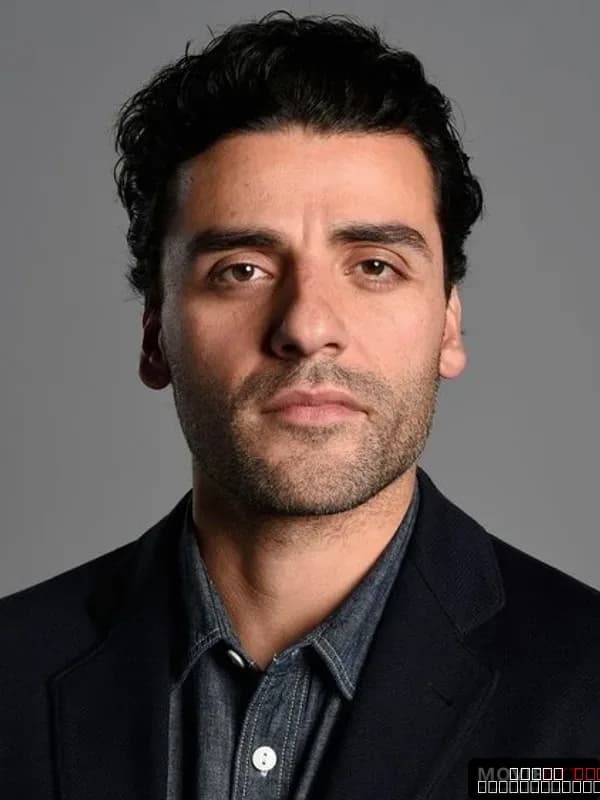
In the Hand of Dante opens on a single artifact — a handwritten manuscript of Dante's Divine Comedy, discovered in the Vatican library. It doesn't stay there. The manuscript falls into the hands of a New York mob boss, and what follows is equal parts heist thriller and philosophical fever dream. Oscar Isaac carries the film in a dual role: Nick Tosches, a contemporary novelist pulled into the criminal scheme to authenticate (and steal) the text, and Dante himself, living through the spiritual torment that birthed his masterpiece in 14th-century Florence.
The real subject isn't the mob. It's obsession — what people will risk to possess a work of art, how a text becomes currency, how a dead poet's words become a living weapon in the hands of men who can't read them.
Oscar Isaac plays two centuries at once — and it's the film's anchor
Director Julian Schnabel, working from Nick Tosches' 2002 novel with co-writer Louise Kugelberg, built the entire film around Isaac's willingness to inhabit two timelines simultaneously. Black-and-white present-day crime scenes cut against vivid, almost hallucinatory medieval sequences. The effect is disorienting by design — which is exactly the point. Isaac's Tosches watches in real time as his literary obsession becomes his criminal liability. His Dante struggles through exile, betrayal, and the theological architecture that would eventually become the Comedy.
What's striking is that the Dante sequences often work better than the crime plot. There's a moment where Tosches first holds the manuscript — quiet, almost reverent, before the machinery of violence kicks in — and you feel why Schnabel took a 160-minute swing at this material instead of making something tidy.
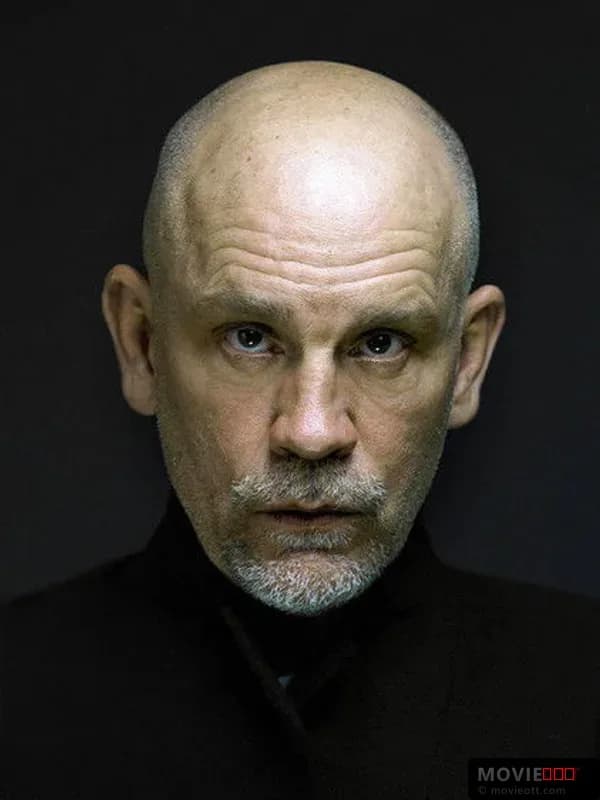
The supporting cast reads like a statement of intent: Gal Gadot appears in dual roles as both Dante's wife Giulietta and Tosches' assistant Gemma. Gerard Butler plays a mob enforcer named Louie and, improbably, Pope Bonifacio VIII. John Malkovich anchors the contemporary plot as Joe Black, the mob boss. Al Pacino shows up as Uncle Carmine. Martin Scorsese acts here, not directing — a rare appearance that signals something unusual was happening on set.
Critical reception: A film that polarizes rather than disappoints
The numbers aren't kind. A 43% on Rotten Tomatoes (from 21 critics), a 20/100 on Metacritic, and IMDb user scores hovering around 4.7/10. These scores tell one story. But read the actual reviews, and a different picture emerges — one where critics are grappling with something that refused to behave itself.
Variety called it a "gonzo" literary gangster mash-up that "pulsates with life" even as it overreaches. That's not a dismissal. Little White Lies used the phrase "high-minded mess" — which at least acknowledges the high-mindedness. The consistent complaints: a sprawling 160-minute runtime, jumbled timelines, continuity problems, and performances that some reviewers called career-worst. Hard to say if that last charge is fair, or just what critics write when a film refuses to follow the playbook.
What's interesting — and Movie OTT's coverage picked up on this — is that films with Metacritic scores this low often find longer afterlives than their initial numbers suggest. They polarize. They don't just disappoint. There's a difference.
Where to watch: Netflix, limited theaters, or hold on for a second look
In the Hand of Dante opened in limited U.S. theatrical release on June 12, 2026, before landing on Netflix on June 24, 2026. Netflix holds the primary streaming rights — that's your easiest access point right now. The film premiered out of competition at Venice on September 3, 2025, and it carries an R rating for language, violence, and sexual content.
At 160 minutes, this isn't a casual watch. It's the kind of film that asks for your full attention, and the streaming release means you can pause, grab water, and come back without the theater-guilt. Movie OTT's where-to-watch tracker shows current availability by region — rights deals shift, and checking back monthly is faster than guessing.
Who should actually watch this — and who should skip
If you're the kind of viewer who doesn't need films to be tidy, In the Hand of Dante has genuine pull. You're drawn to ambitious failures, films that swing wide and connect unevenly, films that wear their influences on their sleeve without apology. Schnabel's visual instincts, Isaac's committed dual performance, and the sheer conceptual strangeness of intercutting medieval Florence with contemporary New York make it worth the time, even when it stumbles.
If you're expecting a clean mob thriller — something in the vein of Goodfellas or The Irishman — you'll hit a wall around the hour mark when the film refuses to settle into that genre. The crime plot isn't the engine; it's the vehicle. The real story is about how a text becomes a talisman, how genius — Dante's, Tosches', even Schnabel's — can't be contained by plot.
Movie OTT recommends it with full awareness of its flaws. Not as a masterpiece. As something worth sitting with — a film that's genuinely trying to say something about art, possession, and time, even if it doesn't always land cleanly.
FAQ
Where can I watch In the Hand of Dante right now? Netflix. It's been streaming there since June 24, 2026. Check the where-to-watch widget above for any additional platforms that may have acquired rights.
Is it based on a book? Yes. Nick Tosches' 2002 novel of the same name. It blended crime narrative with literary obsession — the same material Schnabel adapted here.
How long is it? 160 minutes. It doesn't apologize for that.
What's the rating? R — for language, violence, and sexual content.
Who directed it? Julian Schnabel, best known for The Diving Bell and the Butterfly and At Eternity's Gate. He's spent his career orbiting artists undone by their own ambitions.
Why are the reviews so mixed? The structural gamble — cutting between medieval and modern timelines, color and black-and-white — either unifies a film or exposes its seams. Here it does both. Critics found the 160-minute runtime excessive, the continuity sometimes unclear, and the tonal shifts jarring. But the ambition itself has defenders.