








The story of In the Heart of the Sea
In the winter of 1820, something unthinkable happened in the middle of the Pacific Ocean. The New England whaling ship Essex, crewed by experienced sailors hunting for whale oil, encountered a creature that would change maritime history forever—a whale of almost supernatural size and, it seemed, deliberate malice. What unfolds is a survival story like no other, one where the hunters become the hunted, and the ocean itself becomes an antagonist more terrifying than any fictional monster. Director Ron Howard's In the Heart of the Sea doesn't just retell this incident; it strips away the legend to show us what actually happened to these men when they were stranded thousands of miles from home, facing starvation, desperation, and choices no human should have to make.
The film draws directly from Nathaniel Philbrick's 2000 non-fiction book, which painstakingly reconstructed the Essex's final voyage from survivor testimonies and historical records. What's striking is how the movie positions itself as the real story—the one that inspired Herman Melville's 1851 novel Moby-Dick, but with all the messy, brutal truth that fiction couldn't quite capture. This isn't a retelling of Melville's work; it's the source material itself, the raw event that sparked literary imagination in the first place.
Behind the making of In the Heart of the Sea
Ron Howard assembled an impressive ensemble for this 122-minute production, bringing together Chris Hemsworth in a leading role alongside Benjamin Walker, Cillian Murphy, Tom Holland, Ben Whishaw, and Brendan Gleeson. The film was an international co-production between the United States and Spain, drawing on resources from Imagine Entertainment, Spring Creek Pictures, and Warner Bros. Pictures, with additional production support from Village Roadshow Pictures. The screenplay came from Charles Leavitt, working from a story developed by Leavitt, Rick Jaffa, and Amanda Silver—a writing team tasked with the challenge of turning historical tragedy into cinematic narrative.
The production itself was ambitious. Howard's commitment to authenticity meant extensive work on maritime sequences, ship construction, and ocean cinematography that demanded real technical skill and substantial budgets. While the film didn't become a box-office juggernaut (it earned a respectable but not blockbuster return), it garnered attention for its craft and ambition. The MPAA rated it PG-13, making it accessible to a broader audience despite its darker thematic content. Critics and award bodies took notice of the technical achievements, particularly in cinematography and production design—the kind of work that doesn't always translate to mainstream acclaim but earns respect within the industry.
What makes In the Heart of the Sea stand out
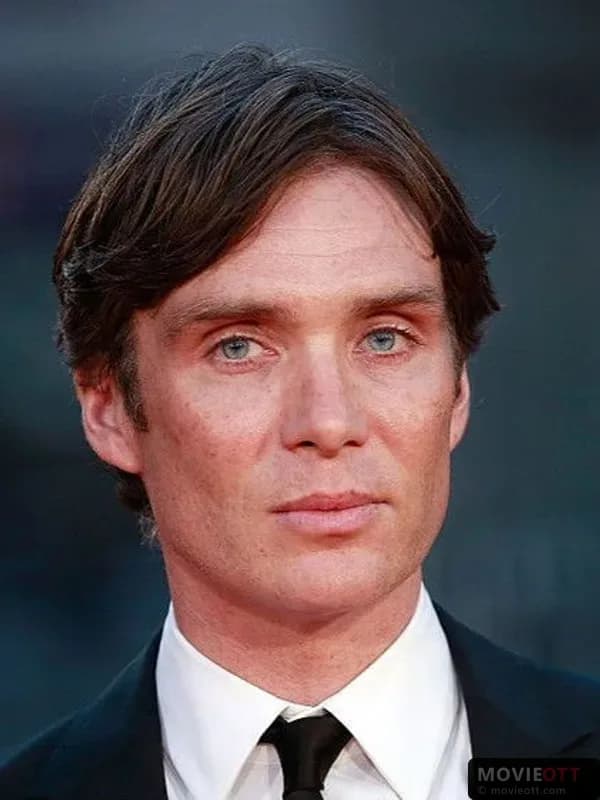
Here's what's interesting about this film: it works best when you stop comparing it to Moby-Dick and just let it be what it is—a survival story rooted in genuine historical horror. The performances anchor the whole thing. Hemsworth, often typecast in action roles, finds something quieter and more vulnerable here; his character carries the weight of command and guilt in equal measure. Cillian Murphy, meanwhile, delivers a performance that's haunting in its desperation—there's a scene near the film's end where you see a man completely unmade by circumstance, and it's genuinely unsettling.
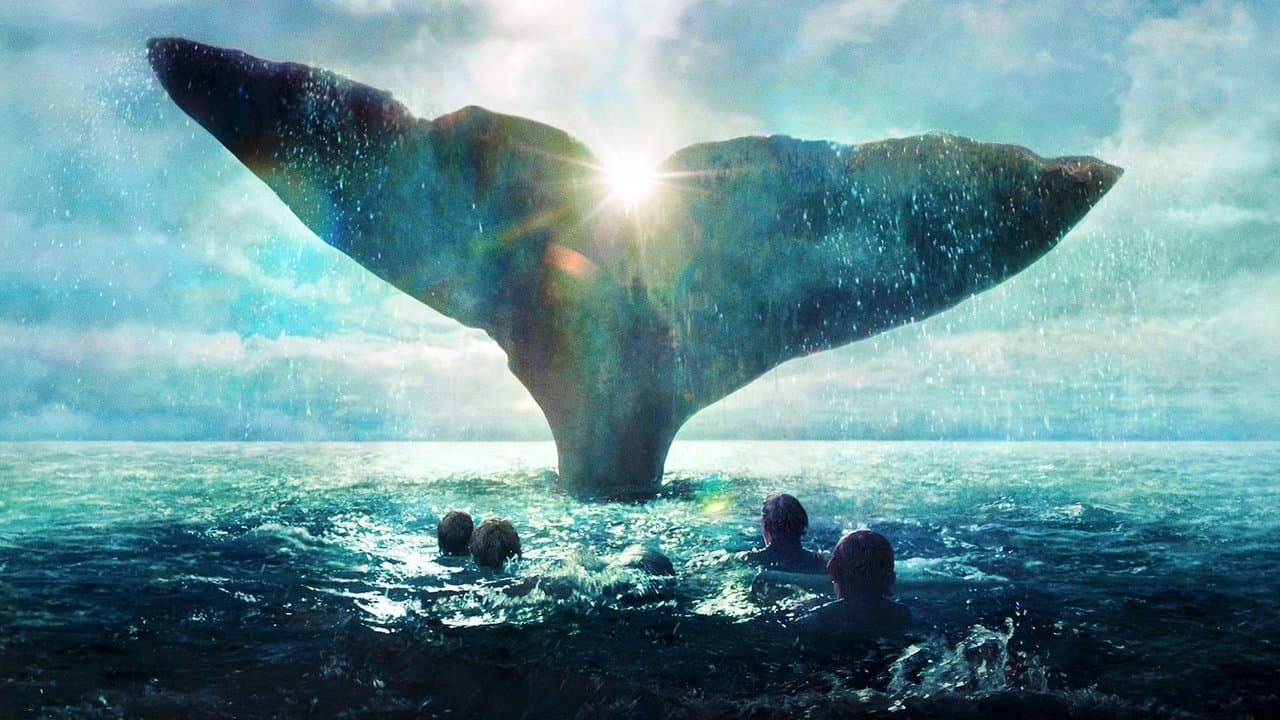
What doesn't always work is the framing device—the film opens with Melville interviewing an aged survivor, which creates a kind of meta-narrative layer that some viewers find distracting rather than enriching. But the ocean sequences themselves? Those are where the film finds its power. The cinematography captures both the terrible beauty of the sea and its absolute indifference to human survival. You're watching men confront hunger, thirst, madness, and the knowledge that rescue may never come. The whale itself—this enormous, intelligent, almost vengeful creature—becomes less a monster and more a force of nature, a reminder that humans are not the apex predators we imagine ourselves to be. The IMDb rating of 6.8/10 reflects a film that audiences found competent and often compelling, even if it didn't universally transcend its material.
What's fascinating, from a Movie OTT perspective, is how the film functions as a gateway to understanding both history and literary adaptation. It's the kind of title that sparks conversations about source material, about what we choose to dramatize and why. Viewers often come away wanting to read Philbrick's book or revisit Melville—which speaks to Howard's success in making the story matter.
How to stream In the Heart of the Sea online
In the Heart of the Sea is available across major OTT services, and you can check the Where to Watch widget at the top of this page to see exactly which platforms currently have it in your region. Streaming availability shifts regularly, so that widget will always show you the most up-to-date options. The film's 122-minute runtime makes it a substantial evening commitment, so you'll want to carve out time when you can focus—this isn't background viewing. If you're a subscriber to any of the major streaming platforms, there's a good chance it's already in your library, which makes it worth revisiting if you haven't seen it since its 2015 release. Movie OTT tracks current streaming availability across Netflix, Prime Video, and other major services, so bookmark this page if you're hunting for where to watch it.
Frequently asked questions
Q: Is In the Heart of the Sea based on a true story?
Yes. The film is based on Nathaniel Philbrick's 2000 non-fiction book about the actual sinking of the American whaling ship Essex in 1820. This real event partly inspired Herman Melville's 1851 novel Moby-Dick, making the film the source story rather than an adaptation of Melville's work.
Q: Who directed In the Heart of the Sea?
Ron Howard directed the film from a screenplay by Charles Leavitt, based on a story by Leavitt, Rick Jaffa, and Amanda Silver. It was an international co-production between the United States and Spain.
Q: What's the runtime and rating?
In the Heart of the Sea runs 122 minutes and is rated PG-13, making it accessible to teenage audiences despite its darker survival themes.
Q: Who stars in In the Heart of the Sea?
The cast includes Chris Hemsworth, Benjamin Walker, Cillian Murphy, Tom Holland, Ben Whishaw, and Brendan Gleeson. Hemsworth carries much of the film in a more dramatic role than audiences might expect from him.
Q: How does this film relate to Moby Dick?
The Essex's sinking inspired Melville's novel—it's the historical event that sparked literary imagination. This film tells the actual story, not Melville's fictional version, though understanding that connection enriches the viewing experience.
Final thoughts on In the Heart of the Sea
If you're drawn to historical dramas with genuine stakes, or if you've ever wondered what actually happened to the ship that inspired Moby-Dick, this film deserves your attention. It won't blow your mind with narrative innovation, but it'll grip you with its commitment to showing survival in its most brutal, unglamorous form. The ocean never feels like a backdrop here—it feels like the main character, indifferent and vast and absolutely unforgiving. That's the real story worth telling.