
What The Da Vinci Code is About
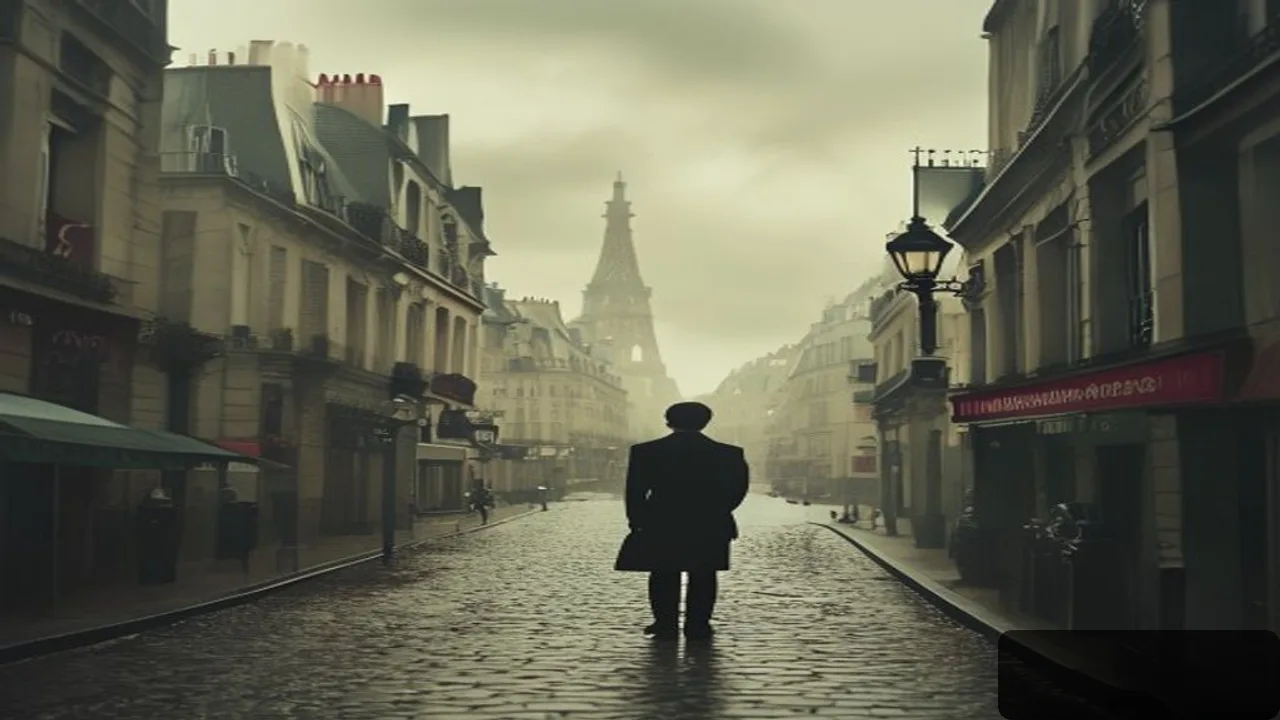
The Da Vinci Code opens with a murder that shouldn't be a murder. A man lies dead on the floor of the Louvre Museum in Paris, his body arranged in a grotesque pose, ancient symbols carved into his skin. The victim is Jacques Saunière, the museum's curator, and his death sets off a chain reaction that pulls symbologist Robert Langdon (Tom Hanks) into a hunt for secrets buried for two millennia. Alongside a cryptographer named Sophie Neveu (Audrey Tautou), Langdon begins to decode clues hidden within Leonardo da Vinci's most famous paintings and writings. What emerges is far bigger than a single murder—it's a religious conspiracy so vast, so dangerous, that a shadowy organization will kill to keep it buried. The film doesn't just ask "who killed the curator?" It asks a question that's rattled audiences since 2006: what if everything you believed about Christianity was built on a lie?
Behind the Making of The Da Vinci Code
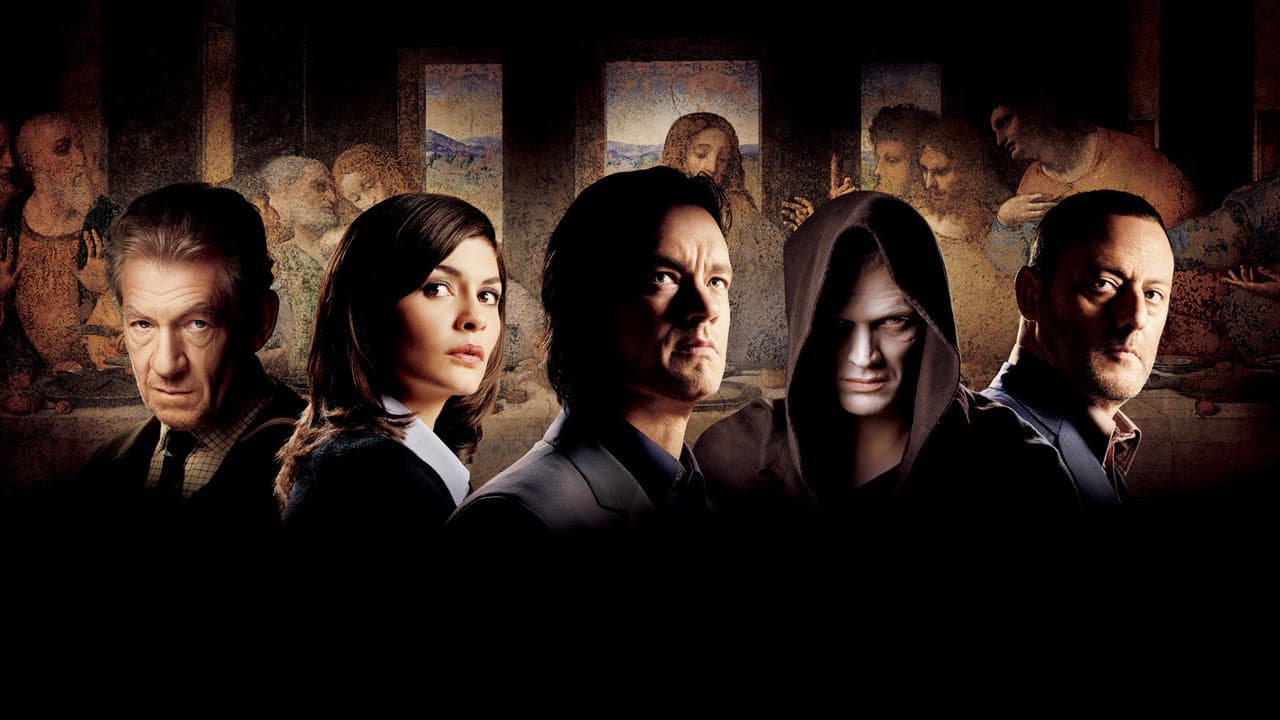
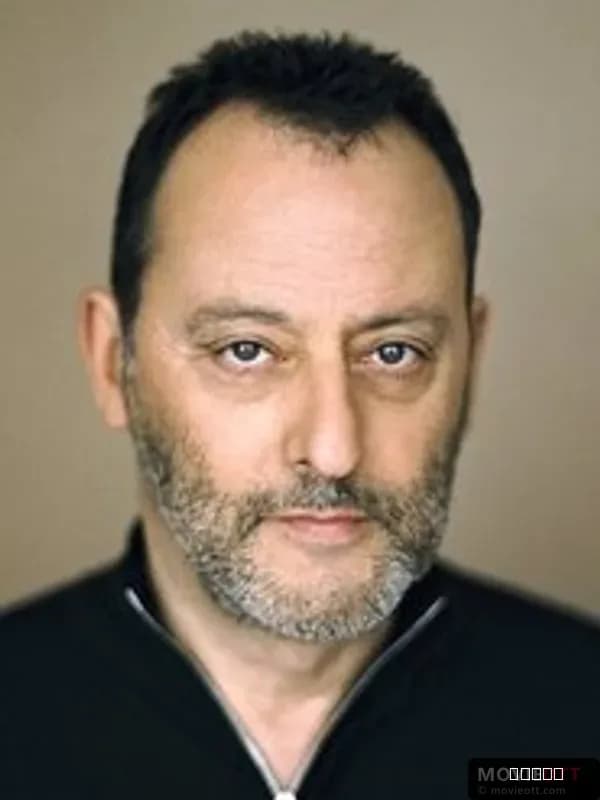
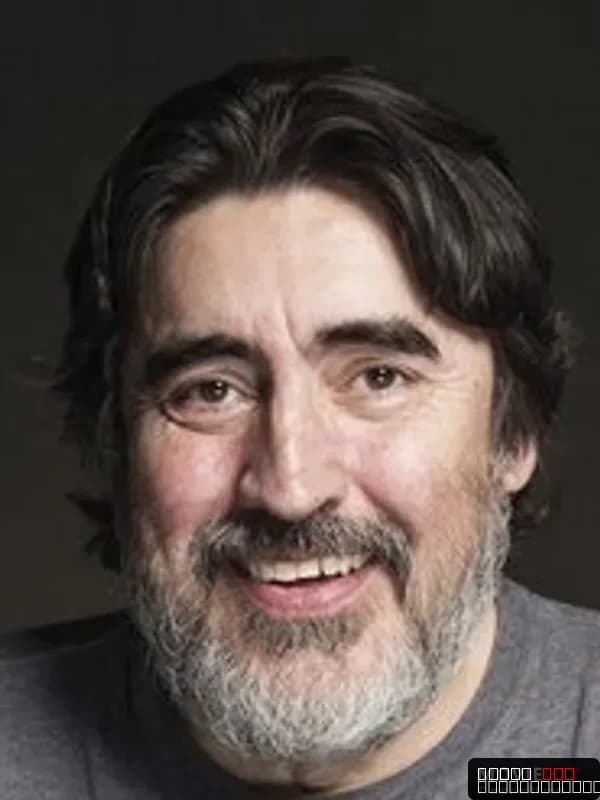
Ron Howard directed this adaptation of Dan Brown's 2003 bestselling novel, with Akiva Goldsman handling screenplay duties. The source material had already become a cultural juggernaut—Brown's book spent years atop bestseller lists, and bringing it to screen meant translating dense historical exposition and religious debate into something that could hold viewers' attention for 149 minutes. Howard assembled a heavyweight cast: Tom Hanks as the intellectually nimble Langdon, Ian McKellen as a wealthy historian with his own secrets, Paul Bettany as a self-flagellating assassin (genuinely unsettling in the role), Jean Reno as a French police captain, and Alfred Molina as a Vatican official. Hans Zimmer composed a score that leans into thriller urgency without overshadowing the film's cerebral nature. The production budget was substantial—this wasn't a small indie mystery—and the film earned over $750 million worldwide, making it one of the highest-grossing films of 2006. Critics were mixed; the IMDb rating sits at 6.73/10, reflecting an audience divided between those who found the premise intellectually stimulating and those who felt the pacing suffered under the weight of exposition.
Why The Da Vinci Code Works as Thriller Cinema
What's striking about this film is how it manages to be simultaneously a puzzle box and a chase movie. You're constantly trying to solve the mystery alongside Langdon—decoding anagrams, understanding the significance of the Fibonacci sequence, grasping the hidden meanings in da Vinci's artwork. That intellectual engagement is what keeps you watching, even when the dialogue gets heavy with historical backstory. The performances help enormously. Hanks brings a kind of weary intelligence to Langdon; he's not an action hero, he's a man who solves problems by thinking, and that's refreshing in a thriller. Tautou provides genuine chemistry, and the two have an easy rapport that makes their partnership feel earned rather than forced. Paul Bettany's antagonist—a monk who practices self-mortification as spiritual purification—is genuinely creepy, and there's a scene early on involving him in the Louvre that's genuinely disturbing. The film's real strength, though, is that it takes its central premise seriously. It doesn't wink at the audience or treat the religious conspiracy as mere MacGuffin. Whether you buy the theology or not, the film commits to it, and that commitment gives the whole enterprise weight. Sure, some of the exposition feels clunky, and yes, the film occasionally grinds to a halt so characters can explain historical minutiae—but there's something oddly compelling about a blockbuster that trusts its audience to care about ideas, not just action sequences.
Where to Stream The Da Vinci Code Online
The Da Vinci Code is available on major OTT platforms, and you can check current availability using the streaming widget at the top of this page. Movie OTT tracks where this title is streaming right now across services, so you don't have to hunt through five different apps wondering if it's still there. The film's 149-minute runtime makes it a solid evening commitment, so knowing exactly where to find it matters. Whether you're revisiting it after nearly two decades or experiencing it for the first time, streaming availability means you can start immediately without waiting for a cable broadcast or physical media delivery.
Frequently Asked Questions
Q: Is The Da Vinci Code based on a true story?
The film is based on Dan Brown's 2003 novel, which weaves together real historical locations and artworks with fictional conspiracy elements. While it references actual people like Leonardo da Vinci and real institutions like the Louvre, the central religious mystery is entirely fictional. Brown conducted extensive research, but the plot itself is pure invention.
Q: Who directed The Da Vinci Code and who stars in it?
Ron Howard directed the film, with Tom Hanks leading as symbologist Robert Langdon. The ensemble cast includes Audrey Tautou as Sophie Neveu, Ian McKellen, Paul Bettany, Jean Reno, and Alfred Molina. Akiva Goldsman adapted Brown's novel for the screen.
Q: How long is The Da Vinci Code?
The film runs 149 minutes (just under two and a half hours), which allows time for the intricate plot and historical exposition to unfold without feeling rushed.
Q: Is The Da Vinci Code part of a series?
Yes, it's the first film in the Robert Langdon Collection, based on Dan Brown's book series featuring the same protagonist. Subsequent films have adapted other Langdon novels, though they operate as largely standalone mysteries.
Q: What's the rating and what's the IMDb score?
The Da Vinci Code has an IMDb rating of 6.73/10, reflecting mixed critical and audience reception. It's a thriller with violence and some religious themes that may be sensitive to certain viewers.
Final Thoughts on The Da Vinci Code
Nearly two decades later, The Da Vinci Code remains a fascinating artifact—a big-budget thriller that actually asks its audience to think. It won't work for everyone; some find it bloated with exposition, others find the premise blasphemous, and still others think it's just silly. That's fine. What matters is that it exists as proof that you don't need explosions or superhero spectacle to hold an audience's attention for two and a half hours. It's a film about ideas, about secrets, about what happens when hidden knowledge threatens established power. Whether you're a mystery enthusiast, a history buff, or just someone looking for a smart thriller, The Da Vinci Code delivers. It's worth watching—or rewatching—especially now, when so much blockbuster cinema plays it safe.