
The story of Night Shift: A morgue, a scheme, and a very bad idea
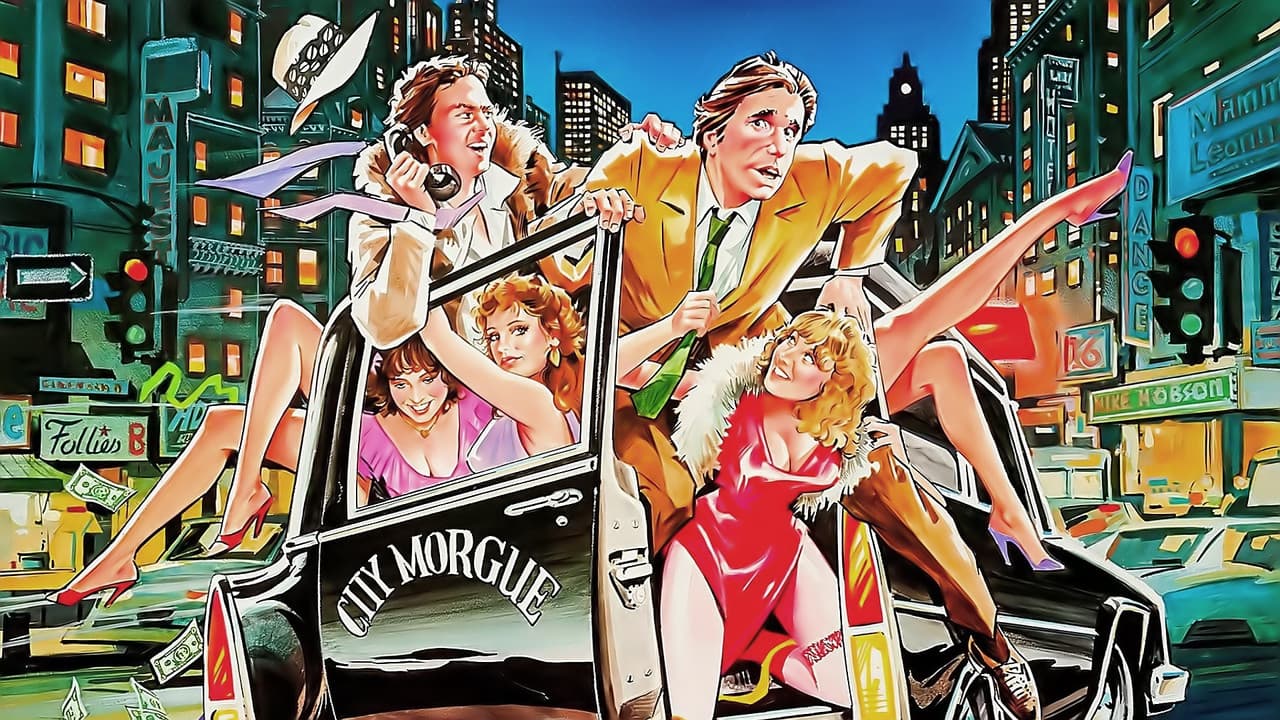
Night Shift tells the story of Chuck Lumley, a meek morgue attendant whose quiet, predictable life gets turned upside down when he's stuck working the graveyard shift with Billy Blaze, a fast-talking dreamer convinced he's one great idea away from fortune. The setup is deliberately absurd. When a prostitute neighbor complains about losing her pimp, Billy sees opportunity instead of tragedy — why not run an escort service out of the morgue after hours? What follows is a collision between Chuck's cautious nature and Billy's reckless entrepreneurship, set against the darkly comic backdrop of a New York City morgue. The premise sounds outlandish on paper. Somehow, it works.
Director Ron Howard crafted something genuinely weird here, and that's part of its charm. It's not trying to be a prestige comedy or a message picture. The film simply asks: what if two working-class guys did something monumentally stupid and somehow made it work? That kind of stripped-down premise — grounded in character rather than plot mechanics — gives the whole thing an oddly lived-in quality, even as the scenario spirals into increasingly ridiculous territory.
Behind the making of Night Shift: Cast, production, and the Keaton breakthrough
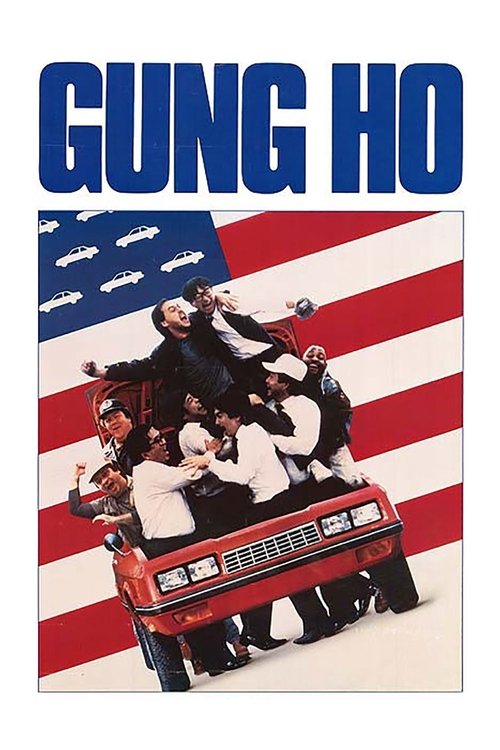
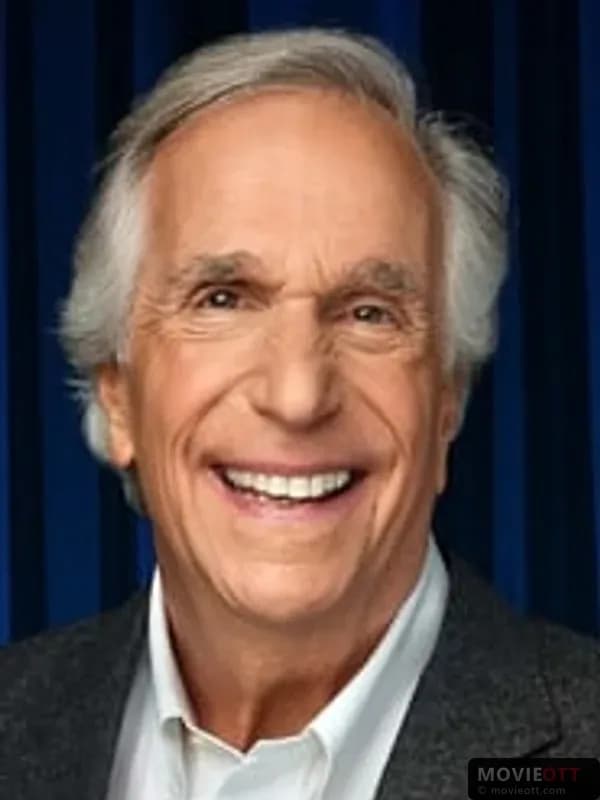
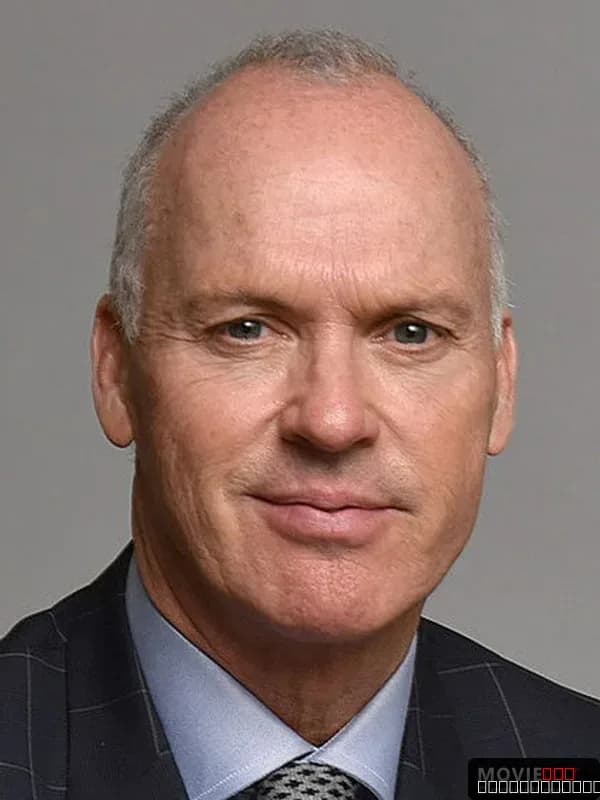
Night Shift emerged from The Ladd Company and Brian Grazer Productions in 1982, a 106-minute comedy that would become a significant stepping stone in several careers. Henry Winkler, fresh off his decade-long run as The Fonz on Happy Days, took the lead as Chuck Lumley, the nervous straight man to the entire enterprise. But the film's real legacy belongs to Michael Keaton, who'd spent years in bit parts and TV guest spots before Night Shift gave him his first starring role. Keaton's Billy Blaze — manic, unfiltered, endlessly optimistic despite having zero actual business sense — became the character that proved he could carry a movie. He'd go on to Batman, Beetlejuice, and decades of A-list work, but this morgue comedy is where it started.
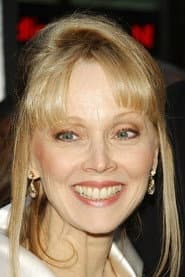
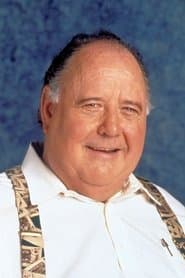
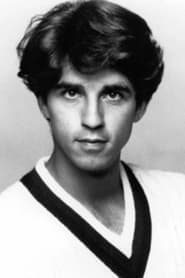
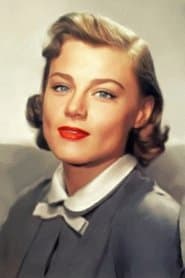
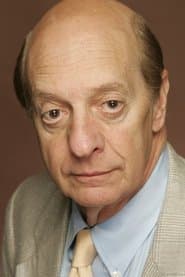
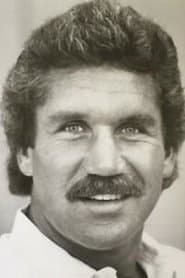
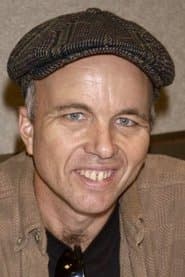
The supporting cast reads like a snapshot of early-1980s Hollywood depth. Shelley Long appears as a key character, Richard Belzer brings his distinctive deadpan energy, and Clint Howard rounds out the core ensemble. The film also features brief but memorable appearances by Kevin Costner (credited as "frat boy #1" — hard to imagine now) and Shannen Doherty as a Bluebird scout. Vincent Schiavelli shows up in a bit part, and Charles Fleischer rounds out the roster. It's the kind of cast depth you don't see in comedies anymore — even the throwaway roles felt inhabited by real actors. The Ladd Company had a knack for spotting talent, and this film proved it.
Box office performance was solid without being explosive. The film found its audience among comedy fans and Winkler's devoted Happy Days fanbase, though it never became a runaway blockbuster. Still, it proved durable enough to build a cult following and, more importantly, it served as the launching pad for Keaton's movie career. Sometimes that's more valuable than opening-weekend numbers.
What makes Night Shift stand out: Tone, timing, and two-hander chemistry
What's striking about Night Shift is how it balances tonal whiplash without ever feeling chaotic. You've got a morgue setting — inherently dark, literally filled with death — paired with slapstick comedy and romantic subplots. That shouldn't work. In the hands of a less confident director, it'd collapse into a mess. But Howard understood that the best comedies often work because they're willing to be genuinely weird, genuinely uncomfortable, and then pivot to something tender without announcing the shift. Watch the scenes between Chuck and his love interest; they've got a sweetness to them that grounds the film's more outrageous moments.
Keaton's performance is the engine here. He doesn't play Billy as a caricature or a villain — he plays him as someone who genuinely believes in his own inevitable success, who sees problems as puzzles rather than obstacles. There's an almost childlike optimism to the character that makes him funny without being contemptible. Winkler, meanwhile, does something trickier: he makes Chuck's nervousness sympathetic rather than annoying. The chemistry between them carries the film through its second half, when the plot could've easily spiraled into incoherence.
I keep coming back to the film's willingness to sit in uncomfortable spaces. A morgue isn't a natural comedy setting. Prostitution and pimping aren't typically the stuff of broad comedy. Yet the film treats these elements with a kind of matter-of-fact acceptance — this is the world these characters live in, and they're doing their best to survive it. That grounded-ness, paired with the absurdist humor, gives the whole thing a texture you don't often see in 1980s comedies, which tended to lean either fully toward broad slapstick or fully toward satire. Night Shift refuses to choose. It's messy that way. It's also refreshing.
Where to stream Night Shift online
Night Shift is available on major OTT services, and if you're looking for current streaming availability in your region, Movie OTT tracks where this title is playing right now. The "Where to Watch" widget at the top of this page shows you every platform currently offering Night Shift, so you can find it on your preferred service without the guessing game. Streaming rights shift frequently, so checking Movie OTT's aggregator before hitting play ensures you'll land on the right platform.
Frequently asked questions
Q: Who directed Night Shift?
Ron Howard directed Night Shift in 1982. It was one of his early comedy features, made before he became known for dramas like Cocoon and Apollo 13. The film showcases Howard's ability to balance humor with character-driven storytelling.
Q: Is Night Shift based on a true story?
No, Night Shift is a fictional comedy created specifically for the screen. The premise — two morgue workers starting an escort service — is entirely invented, though the film's grounded approach makes it feel plausible enough to suspend disbelief.
Q: What was Michael Keaton's first starring role?
Night Shift marked Michael Keaton's first leading role in a feature film. Before this, he'd appeared in various TV shows and bit parts in movies. The success of Night Shift opened doors that led to Beetlejuice, Batman, and his subsequent film career.
Q: How long is Night Shift?
The film runs 106 minutes, which gives it enough time to develop its characters and let the comedy breathe without overstaying its welcome.
Q: Where can I watch Night Shift?
Night Shift is available on major streaming platforms. Use the "Where to Watch" widget on this page to see which services currently offer it in your region, or visit Movie OTT for up-to-date availability information across Netflix, Prime Video, and other streaming services.
Final thoughts on Night Shift
Night Shift isn't a film that gets discussed much anymore, which is a shame. It's not a masterpiece, and it doesn't pretend to be one. What it is, though, is a genuinely entertaining comedy with real chemistry between its leads and the kind of tonal confidence that suggests a director who knew exactly what he was making. It launched Michael Keaton's movie career and proved that Ron Howard could handle comedy as deftly as drama. For anyone interested in 1980s cinema or early Keaton, it's essential viewing. For everyone else? It's just a fun, weird night at the movies. Sometimes that's enough.