The Story of In the Mouth of Madness
In the Mouth of Madness follows John Trent, an insurance investigator with a rational worldview and a job that demands skepticism. When he's tasked with tracking down Sutter Cane, a wildly successful horror novelist who's vanished without a trace, Trent heads to a small New England town that may or may not actually exist. What starts as a straightforward missing-person case spirals into something far stranger — the lines between Cane's fictional worlds and reality begin to collapse, and Trent finds himself questioning whether he's investigating a mystery or living inside one. By the film's end, you won't be sure which is which.
Behind the Making of In the Mouth of Madness
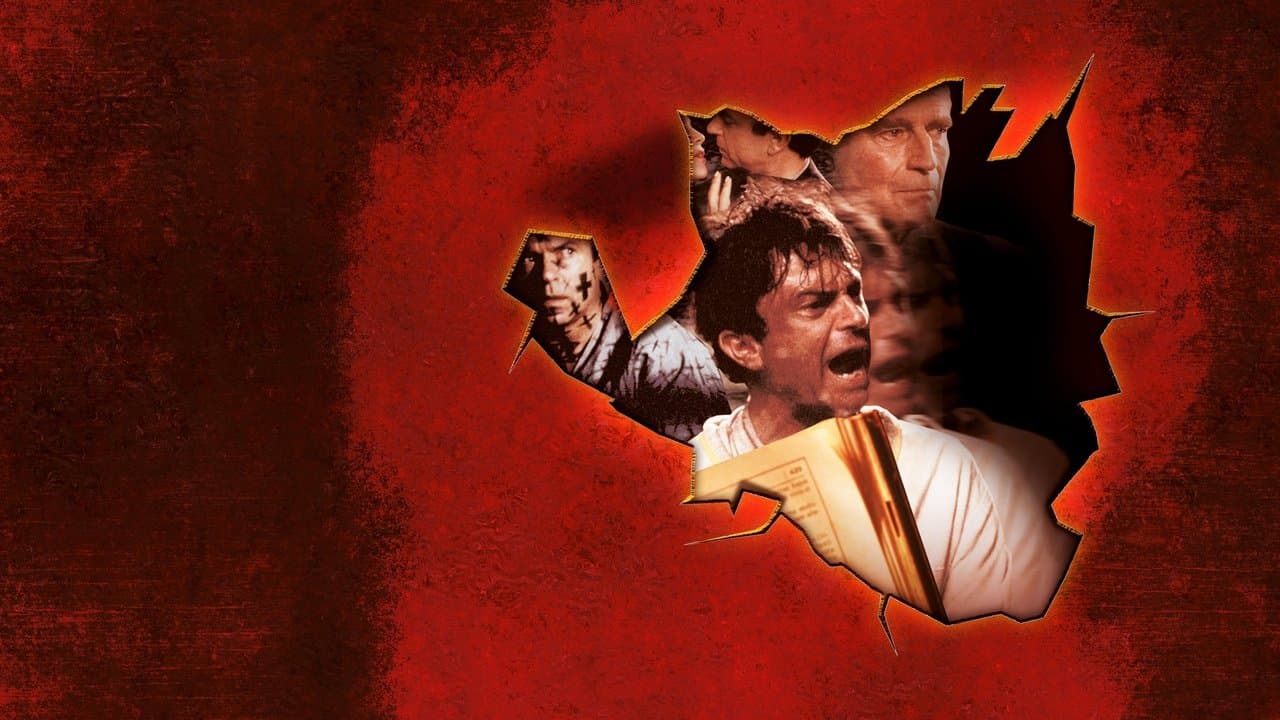
Director and composer John Carpenter brought In the Mouth of Madness to life in 1994, released through New Line Cinema in 1995, working from a script by Michael De Luca. The film stars Sam Neill in the lead role, supported by a powerhouse cast including Julie Carmen, Jürgen Prochnow, David Warner, and Charlton Heston — a lineup that signals Carpenter's ambitions for the project. Carpenter himself handled the score, crafting an unsettling sonic landscape that amplifies the film's descent into madness. Though the film didn't become a box-office blockbuster on initial release, it's since accumulated a devoted following that recognizes it as one of Carpenter's finest works. The 95-minute runtime keeps the pacing relentless, never letting viewers catch their breath. What's striking is that this wasn't Carpenter's first rodeo with existential horror — he'd already explored apocalyptic themes in The Thing (1982) and Prince of Darkness (1987), and In the Mouth of Madness serves as the informal conclusion to what he calls his "Apocalypse Trilogy." The film carries an R rating, appropriate for its intense psychological horror and occasional bursts of visceral dread.
What Makes In the Mouth of Madness Stand Out
Honestly, the film works because Carpenter refuses to choose between campy fun and genuine dread — he just commits to both simultaneously. Neill delivers a performance that's both grounded and increasingly unhinged, making Trent's descent believable rather than cartoonish. The real genius lies in how the film adapts the spirit of H.P. Lovecraft's cosmic horror without being a slavish source adaptation. Instead of trying to film Lovecraft directly (which rarely works), Carpenter creates an original story about what it means when fiction becomes indistinguishable from reality, when an author's imagination literally reshapes the world. That's a distinctly Carpenter move — taking a literary tradition and making it his own.
The production design and cinematography sell the wrongness effectively. Ordinary New England locations start feeling subtly off, then progressively more alien. There's a scene late in the film where Trent encounters the actual book — the physical manifestation of Cane's work — and it's both absurd and genuinely unsettling. The craft never wavers. Carpenter's decision to score the film himself adds an intimate layer of control; the music doesn't just accompany the action, it is the action in some moments, creating unease through sound design as much as visuals. Viewers consistently praise the film for maintaining tonal consistency across its runtime — it doesn't collapse into self-parody, and it doesn't become a slog. You can find current streaming availability tracked across Movie OTT, which makes it easy to catch up if you've somehow missed this one.
Where to Stream In the Mouth of Madness Online
In the Mouth of Madness is currently available on major OTT services, so you've got options for getting access without digging through physical media (though the Blu-ray is worth owning if you're serious about horror). The film's relatively short runtime — just under 95 minutes — makes it perfect for a weeknight watch, and the pacing means you won't find yourself checking your phone. Movie OTT's Where to Watch widget at the top of this page will show you which platforms have it right now, since streaming rights shift regularly. Given how rewatchable the film is, you might find yourself coming back to it even after you've already seen it.
Frequently asked questions
Q: Who directed In the Mouth of Madness?
John Carpenter directed the film and composed its score. It's the third and final installment in what Carpenter himself refers to as his "Apocalypse Trilogy," following The Thing and Prince of Darkness.
Q: Is In the Mouth of Madness based on a book?
No, it's an original screenplay by Michael De Luca, though it draws heavy thematic inspiration from H.P. Lovecraft's cosmic horror tradition without being a direct adaptation of any specific story.
Q: What's the runtime of In the Mouth of Madness?
The film runs 95 minutes, making it a lean, focused experience that doesn't waste a moment of its premise.
Q: Is In the Mouth of Madness rated R?
Yes, it carries an R rating for horror violence and language. It's not gratuitously gory, but the psychological intensity and occasional bursts of visceral imagery warrant the rating.
Q: Why is In the Mouth of Madness considered Lovecraftian if it's not based on Lovecraft?
The film captures the core of Lovecraftian horror — the idea that human sanity is fragile, that reality might not be what we think, and that cosmic forces beyond our understanding operate outside moral frameworks. It's Lovecraftian in spirit rather than in source material.
Final Thoughts on In the Mouth of Madness
If you haven't seen In the Mouth of Madness, you're missing one of horror's most thoughtful experiments with the nature of reality and fiction. It's not a gore fest. It's not a jump-scare machine. It's a film that trusts its premise and follows it to genuinely unsettling places, and it does so with style and intelligence. The tagline — "Lived any good books lately?" — captures the film's central obsession perfectly. Watch it with the volume up, pay attention to the details, and don't be surprised if you find yourself thinking about it weeks later.