The Story of JFK: A DA's Crusade Against Official Narrative
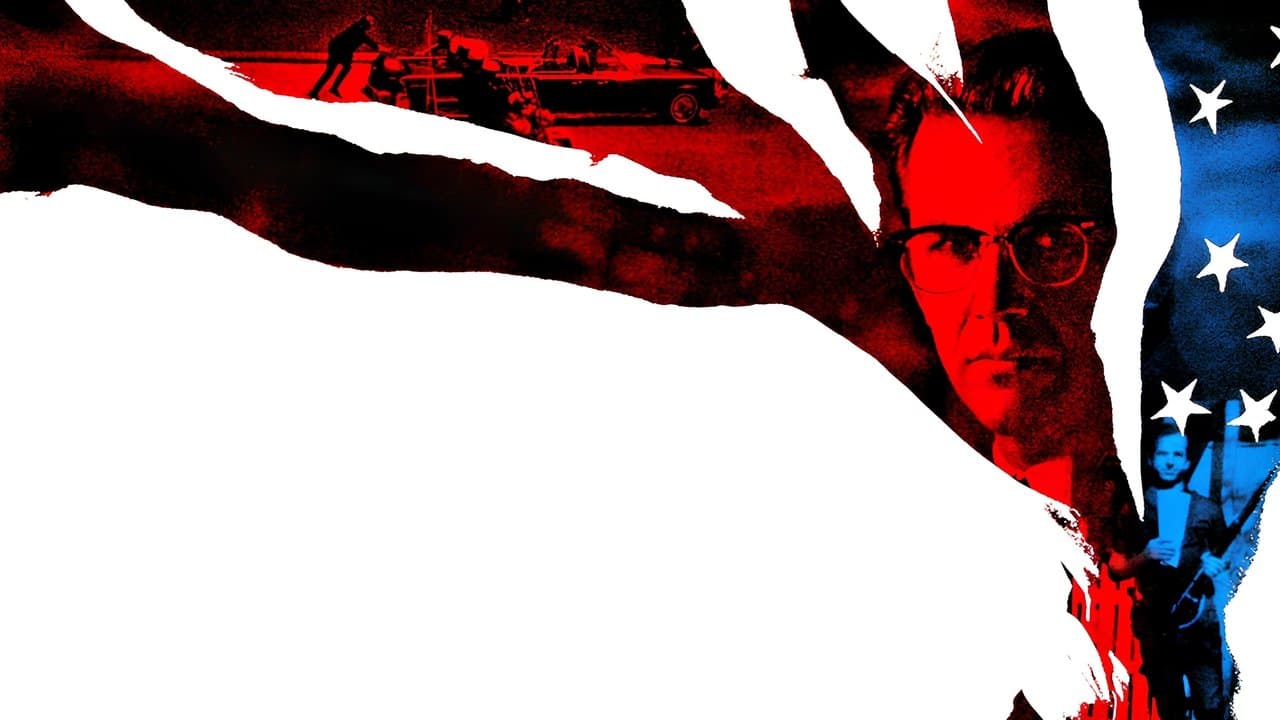
JFK opens on November 22, 1963—the day President John F. Kennedy was assassinated in Dallas, Texas. But Stone's film isn't interested in what happened that day. It's interested in what came after: the questions nobody wanted answered. The story follows New Orleans District Attorney Jim Garrison (Kevin Costner), who becomes convinced that the Warren Commission's conclusion—that Lee Harvey Oswald acted alone—is a lie. Garrison doesn't just suspect there's more to the story. He can't let it go. His investigation becomes an obsession, one that will cost him politically, professionally, and personally as he pursues a conspiracy that reaches into the highest levels of government. What makes JFK so gripping isn't the answers it provides. It's the refusal to accept the easy ones.
Behind the Making of JFK: Production, Awards, and an All-Star Ensemble
Oliver Stone directed and co-wrote JFK alongside Zachary Sklar, adapting two books: Jim Garrison's own memoir On the Trail of the Assassins and Jim Marrs's Crossfire: The Plot That Killed Kennedy. The production was massive—a collaboration between Warner Bros. Pictures, Le Studio Canal+, Regency Enterprises, and several smaller production companies—and the runtime reflects Stone's ambition: 189 minutes of dense, deliberately paced filmmaking. The ensemble cast was stacked. Costner carries the film as Garrison, but he's surrounded by Kevin Bacon, Tommy Lee Jones (whose turn as Clay Shaw is genuinely unsettling), Gary Oldman as an eerie, androgynous David Ferrie, Joe Pesci, Donald Sutherland delivering gravitas in crucial moments, and Laurie Metcalf. Martin Sheen provides narration that adds another layer of authority to the proceedings. The film earned an IMDb rating of 7.6/10, reflecting its enduring grip on audiences. While it didn't dominate the awards circuit the way some expected, JFK became a cultural touchstone—the kind of film that mattered, that people argued about in bars and classrooms. Rated R for language and some violence, it's a film that doesn't condescend to its audience or shy away from moral ambiguity.
What Makes JFK Stand Out: The Performances and Stone's Audacious Direction
What's striking about JFK is how it refuses to be a simple procedural. Stone doesn't want you to solve the crime alongside Garrison—he wants you to feel his frustration, his paranoia, his inability to accept the official story even when evidence seems to slip through his fingers. Costner's performance is quietly powerful; he plays Garrison as a man trapped between his duty as a public servant and his moral conviction that the truth matters more. The supporting cast does heavy lifting too. Oldman's Ferrie is disturbing in ways that go beyond plot function; he's a character so strange, so fundamentally wrong in his presentation, that you understand why Garrison suspects him. Tommy Lee Jones brings a oleaginous charm to Clay Shaw that makes you distrust him even before you know why you should. And here's what I keep coming back to: Stone trusts his audience. He doesn't explain everything. He piles on documentary footage, stock photography, and recreations that blur together—sometimes you can't tell what's real and what's speculation, which is exactly the point. The film's formal audacity mirrors its thematic obsession with truth and deception. It's a three-hour argument, essentially, about whether we can ever really know what happened.
Where to Stream JFK Online
JFK is available on major OTT services, and Movie OTT tracks current availability across all of them so you don't have to hunt. Streaming rights shift regularly, so checking the Where to Watch widget at the top of this page will show you exactly which platform has it right now in your region. Whether you're planning a deep-dive investigation of your own or just want to revisit Stone's vision, the good news is the film remains accessible—no need to hunt down a physical copy or settle for a degraded version. Movie OTT's streaming aggregator makes it simple to find where this essential piece of American cinema is currently living.
Frequently asked questions
Q: Is JFK based on a true story?
Yes and no. The film is based on real events—Kennedy's assassination in 1963 and Jim Garrison's actual investigation in the mid-1960s—but Stone takes considerable creative liberties. The screenplay adapts Garrison's memoir and other books, but it presents speculation and theory as dramatic narrative, not documentary fact.
Q: Who directed JFK?
Oliver Stone directed and co-wrote the film with Zachary Sklar. Stone is known for politically charged, formally ambitious cinema—this is arguably his most sprawling work.
Q: How long is JFK?
The film runs 189 minutes—just over three hours. It's a commitment, but Stone uses every minute to build atmosphere and complicate the narrative.
Q: What's the difference between what JFK claims and the official Warren Commission report?
The Warren Commission concluded Lee Harvey Oswald acted alone. JFK argues for a government conspiracy involving rogue CIA elements, Cuban exiles, and others—though Stone deliberately leaves some threads unresolved, which is part of the film's power.
Q: Is JFK still relevant today?
Absolutely. The film's exploration of institutional distrust, media manipulation, and the gap between official narratives and lived reality feels as urgent now as it did in 1991. It's a film about why we can't simply accept what we're told.
Final Thoughts on JFK
JFK isn't a comfortable watch. It's deliberately disorienting, formally restless, and it asks you to sit with uncertainty rather than offering closure. But that's exactly why it endures. Thirty years later, it remains one of the most ambitious political thrillers ever made—a film that trusts you to think, to question, and to wrestle with the possibility that the stories we're told might not be the whole truth. If you haven't seen it, it's worth the three-hour investment.