







The story of Journey into Fear unfolds in dangerous territory
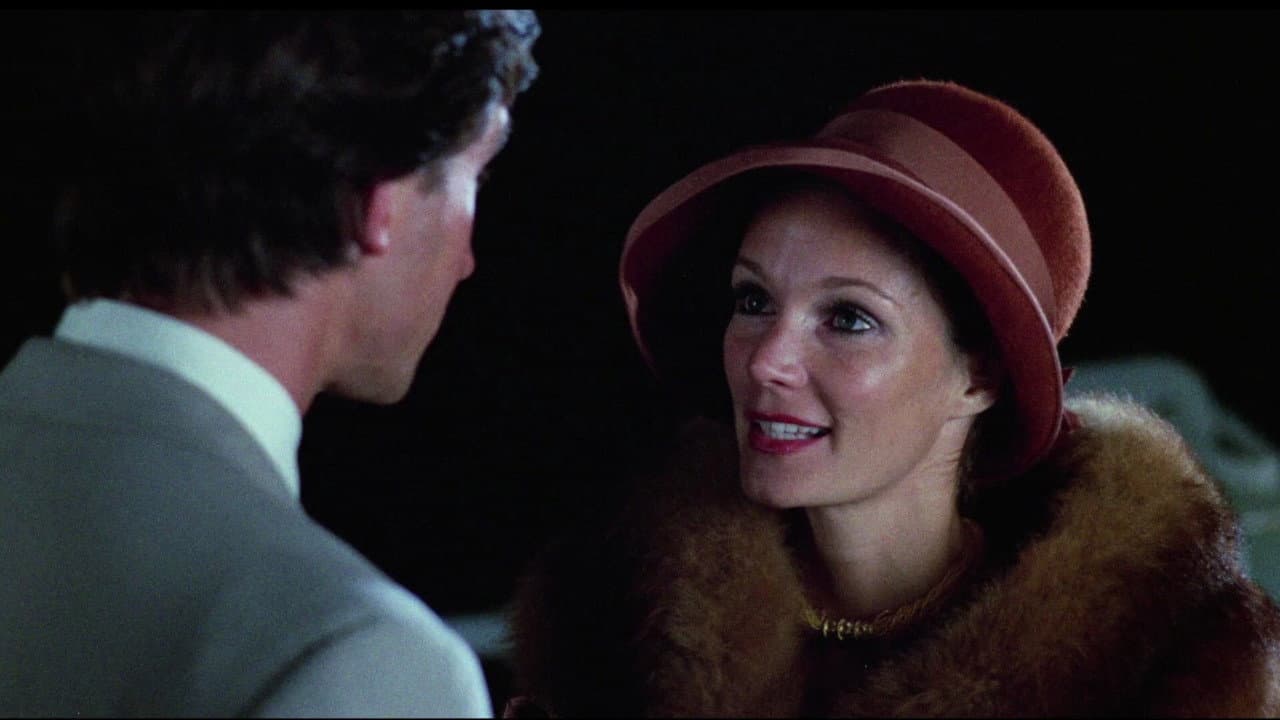
Journey into Fear opens with a simple discovery that becomes a death sentence. A U.S. geologist named Graham unearths evidence of oil reserves in the Turkish desert—knowledge that proves far too valuable, and far too threatening, to the powerful business interests controlling the region. What begins as a professional finding transforms into a nightmare of pursuit, as Turkish and Arab operatives move to silence him before he can expose their plans. The film follows Graham's desperate flight across both land and sea, where every stranger could be an assassin, every door might lead to his end, and nowhere feels safe. The tagline promises that "everyone they meet...every door they open...every corner they turn...could be their last"—and the script takes that threat seriously, building tension through paranoia and constant motion.
Behind the making of Journey into Fear and its connection to cinema history
Journey into Fear wasn't born from nowhere. New World Productions crafted this 1975 version as a remake of the 1943 Orson Welles film of the same name, which itself was based on Eric Ambler's spy novel. The decision to revisit the material two decades later made sense on paper—Cold War paranoia had only deepened, and audiences had grown accustomed to more visceral thrillers. The film runs 100 minutes, a lean runtime that suggests the filmmakers knew they needed to keep momentum high. Sam Waterston carried the lead role as Graham, though his casting—and the broader ensemble—lacked the star power that might've elevated the material. What's striking is that this version arrived during a period when New World Productions was experimenting with genre entertainment, often with mixed results. The film didn't generate significant box office noise or awards recognition, and it's rarely mentioned in retrospectives of 1970s thrillers. Yet it exists, and Movie OTT makes it available for those curious enough to seek it out alongside more celebrated entries from that decade.
What makes Journey into Fear a mixed bag of 1970s thriller ambition
The core problem—and this is where critics tend to align—is that the film inherits its premise from a superior source without bringing enough originality to justify the remake. One reviewer noted the film essentially swaps "a train for a boat, oil for some bullets," suggesting the filmmakers understood the template but couldn't find their own voice within it. Waterston's performance as the hunted geologist doesn't quite anchor the picture the way a stronger lead might have. There's a hesitation in his work, a quality that makes Graham feel less like a man driven by desperation and more like an actor moving through scenes. The conspiracy itself—while plausible enough for a 1970s audience—doesn't crackle with the kind of ideological weight that made paranoia thrillers of this era truly memorable. What you're left with is a competent execution of a familiar formula: innocent man discovers something he shouldn't, gets chased, survives or doesn't. The cinematography and editing don't compensate for the weak casting either. There's no visual flourish, no directorial signature that makes you forget you're watching a pale shadow of a Welles picture. For fans tracking down rare 1970s thrillers on streaming platforms, this one delivers basic entertainment value—but nothing more.
Where to stream Journey into Fear right now
Journey into Fear is currently available on major OTT services, which means you won't have to hunt through obscure rental channels to watch it. The "Where to Watch" widget at the top of this page shows you exactly which platforms are carrying it in your region right now, since streaming rights shift regularly. If you're a subscriber to any of the major services, there's a decent chance you can add it to your queue without an additional rental fee. Movie OTT tracks current streaming availability across dozens of platforms, so you can check real-time access before you click play. It's worth noting that this film isn't a prestige title that gets premium placement on any service—it'll likely be buried in the "Thrillers" or "Classics" section, which is probably where it belongs.
Frequently asked questions
Q: Is Journey into Fear based on a true story?
No, it's based on Eric Ambler's 1940 spy novel of the same name. The oil conspiracy at the heart of the plot is fictional, though Ambler was known for grounding his spy stories in plausible geopolitical tensions.
Q: Who directed Journey into Fear?
Dan Sharpe directed this 1975 version, which is often overshadowed by the 1943 Orson Welles adaptation that preceded it.
Q: How long is Journey into Fear?
The film runs 100 minutes, making it a relatively brisk thriller that doesn't overstay its welcome.
Q: What's the IMDb rating for Journey into Fear?
The film holds a 6 out of 10 on IMDb, reflecting mixed audience reception—it's watchable but not particularly beloved.
Q: Is Journey into Fear a remake?
Yes, it's a remake of the 1943 Orson Welles film, also called Journey into Fear, which is generally considered the superior version of the story.
Final thoughts on Journey into Fear as a period piece
Journey into Fear deserves credit for existing—it's a film that tried to resurrect a classic story for a new era, even if the execution fell short. It's not unwatchable, and there's something to be said for Sam Waterston's everyman quality, though that same quality also works against the film's ability to grip you. If you're a completist tracking down every 1970s thriller, or if you're curious about how Hollywood remakes worked before the current era of endless IP recycling, it's worth a look. But don't expect it to haunt you the way the Welles version does. Sometimes a remake just confirms why the original mattered more.