


The Story of Julien Donkey-Boy
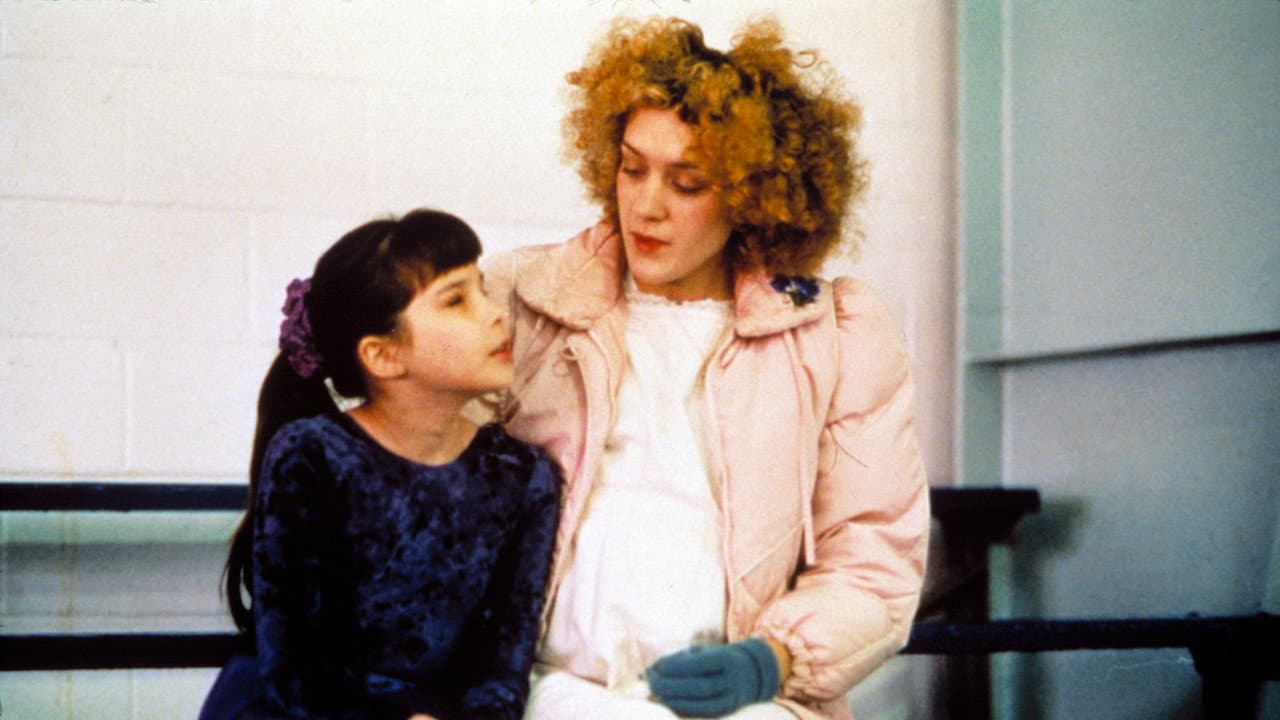
Julien Donkey-Boy is a film that doesn't announce itself. There's no tidy setup, no gentle on-ramp into its world. Instead, you're dropped directly into the life of Julien, a young man living with untreated schizophrenia in a crowded, chaotic household. His pregnant younger sister shares the cramped space with an anorexic aspiring wrestler brother, their sympathetic grandmother, and their severely depressed, abusive German father. It's a domestic pressure cooker where mental illness isn't diagnosed, isn't medicated, isn't discussed — it's just the air everyone breathes. The film doesn't judge this dysfunction so much as document it with an unflinching, almost anthropological eye, letting us witness how a family survives (or doesn't) when one member's internal world has fractured entirely from reality.
Behind the Making of Julien Donkey-Boy
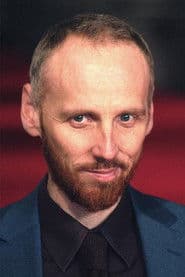
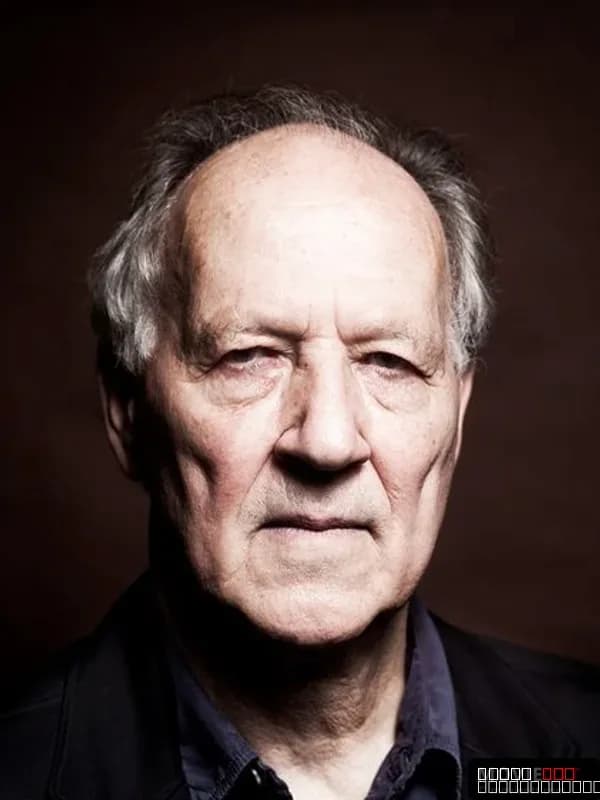
Harmony Korine wrote and directed Julien Donkey-Boy as his feature debut in 1999, and the film arrived like a provocation. Released by 391 Productions, Forensic Films, and Independent Pictures, it landed during a moment when American indie cinema was still finding its voice — this was the era of early Dogme 95 influence, of formal experimentation bleeding into narrative cinema. The 100-minute runtime doesn't feel constrained; Korine uses every second to build an atmosphere of disorientation. The cast is deliberately unconventional. Ewen Bremner, best known at the time for Trainspotting, carries the film as Julien with a performance that's both vulnerable and unsettling. Chloë Sevigny plays his sister, and Werner Herzog—yes, the legendary documentarian and director—appears as the tyrannical father. Herzog's presence alone signals that this isn't a conventional family drama. His casting brings a kind of mythic weight to the patriarch's cruelty, transforming him into something almost archetypal. The film premiered at festivals and earned an IMDb rating of 7/10, respectable for something this deliberately alienating and resistant to easy categorization.
What Makes Julien Donkey-Boy Stand Out
What's striking is how Korine refuses to make schizophrenia palatable or cinematic in the way we'd expect. There are no moments where Julien's condition becomes a plot device driving toward recovery or redemption. Instead, his illness is just the texture of his daily existence—the way he perceives sound, movement, threat, and connection. The formal choices reinforce this. Korine uses handheld camera work, overlapping dialogue, sudden tonal shifts, and non-linear editing that mirrors fragmented consciousness without ever becoming gimmicky. You're not watching a film about schizophrenia so much as experiencing something adjacent to what that might feel like. Bremner's performance is the anchor here. He moves through scenes with a kind of wounded grace, oscillating between moments of genuine tenderness and sudden, inexplicable rage. The thing nobody mentions is how much the film also works as a portrait of family systems—how dysfunction compounds, how one person's untreated illness warps everyone around them, how love and resentment can occupy the exact same moment. Sevigny's role as the sister caught between care and exhaustion carries particular weight. This isn't prestige-drama acting; it's lived-in, sometimes awkward, occasionally brilliant. The film doesn't ask you to like anyone. It asks you to understand them—and that's a much harder task.
How to Stream Julien Donkey-Boy Online
Julien Donkey-Boy is available across major OTT services, and finding it has become easier in recent years as streaming platforms have expanded their indie and experimental film catalogs. The Where to Watch widget at the top of this page shows you exactly which platforms currently carry the title in your region. If you're exploring the landscape of challenging independent cinema, Movie OTT tracks current streaming availability so you don't have to hunt across multiple apps. The film's 100-minute runtime makes it a manageable commitment for a single sitting, though you'll want to be in the right headspace—this isn't something to half-watch while scrolling. It demands attention. Given its experimental nature and formal difficulty, knowing which platform you're watching on matters less than simply clearing the space to experience it fully.
Frequently asked questions
Q: Who directed Julien Donkey-Boy?
Harmony Korine wrote and directed the film as his feature debut in 1999. Korine would go on to become a significant figure in American cinema, known for his willingness to push formal and narrative boundaries.\n Q: Is Julien Donkey-Boy based on a true story?
No, it's a fictional work, though Korine drew inspiration from observing family dynamics and mental illness in his own circle. The specificity of the details—the grandmother, the wrestler brother, the German father—creates an illusion of documentary realism that's actually carefully constructed fiction.\n Q: What's the tagline for Julien Donkey-Boy?
The official tagline is "A fascinating journey into the mind of an adolescent schizophrenic." It's one of the more direct descriptions of what the film attempts to do, though "journey" might undersell how disorienting and non-linear the experience actually is.\n Q: How long is Julien Donkey-Boy?
The film runs 100 minutes, which gives Korine enough time to establish the household, the tensions, and Julien's internal world without ever feeling padded or repetitive.\n Q: Who stars in Julien Donkey-Boy?
Ewen Bremner carries the title role as Julien, with Chloë Sevigny as his sister and Werner Herzog as their father. The supporting cast includes a sympathetic grandmother who grounds much of the film's emotional core.
Final Thoughts on Julien Donkey-Boy
There's a reason Julien Donkey-Boy hasn't been smoothed into a conventional narrative arc or a feel-good recovery story. It's because Korine understood something essential: some lives don't resolve neatly, some families don't heal, and some people live in states of permanent, unresolved crisis. The film's refusal to offer comfort or clarity is exactly what makes it valuable. It's not for everyone—and that's not a weakness. If you're looking for challenging, formally inventive cinema that treats mental illness and family dysfunction with genuine complexity, this is essential viewing. Movie OTT's streaming guides make it simple to find where it's currently available in your area.