The story of Encounters at the End of the World
Werner Herzog doesn't make conventional documentaries, and Encounters at the End of the World is no exception. The 2007 film follows the acclaimed filmmaker as he travels to Antarctica—specifically to McMurdo Station, the United States' largest research outpost on the continent—to explore what drives people to abandon civilization and risk their lives in one of the planet's most hostile environments. Herzog isn't interested in the usual nature-documentary beats. Instead, he's after something deeper: the psychology of the researchers themselves, the strange beauty of an almost alien landscape, and the peculiar human impulse to seek knowledge at the edge of the world. What unfolds is a meditation on wilderness, science, and what it means to choose isolation in pursuit of understanding.
Behind the making of Encounters at the End of the World
Herzog's journey to Antarctica was born from genuine curiosity rather than a predetermined narrative—a hallmark of his documentary approach. The film was produced by Discovery Films and Creative Differences Productions, with Discovery Communications providing backing, and it premiered at film festivals before receiving its wide North American release on June 11, 2008, through ThinkFilm. The production itself was a logistical feat: Herzog and his small crew had to contend with extreme weather, isolation, and the unpredictability of working in Antarctica's harsh conditions. What's remarkable is how that friction between filmmaker and environment translates into the final product. The 99-minute runtime never feels padded—Herzog's editing is spare and purposeful, letting long silences and vast landscapes speak for themselves. At the 81st Academy Awards, the film earned a nomination for Best Documentary Feature, a recognition that validated Herzog's unconventional approach to the form. The documentary attracted attention from critics and film festivals worldwide, establishing itself as one of the most thoughtful explorations of Antarctica ever committed to screen.
What makes Encounters at the End of the World stand out
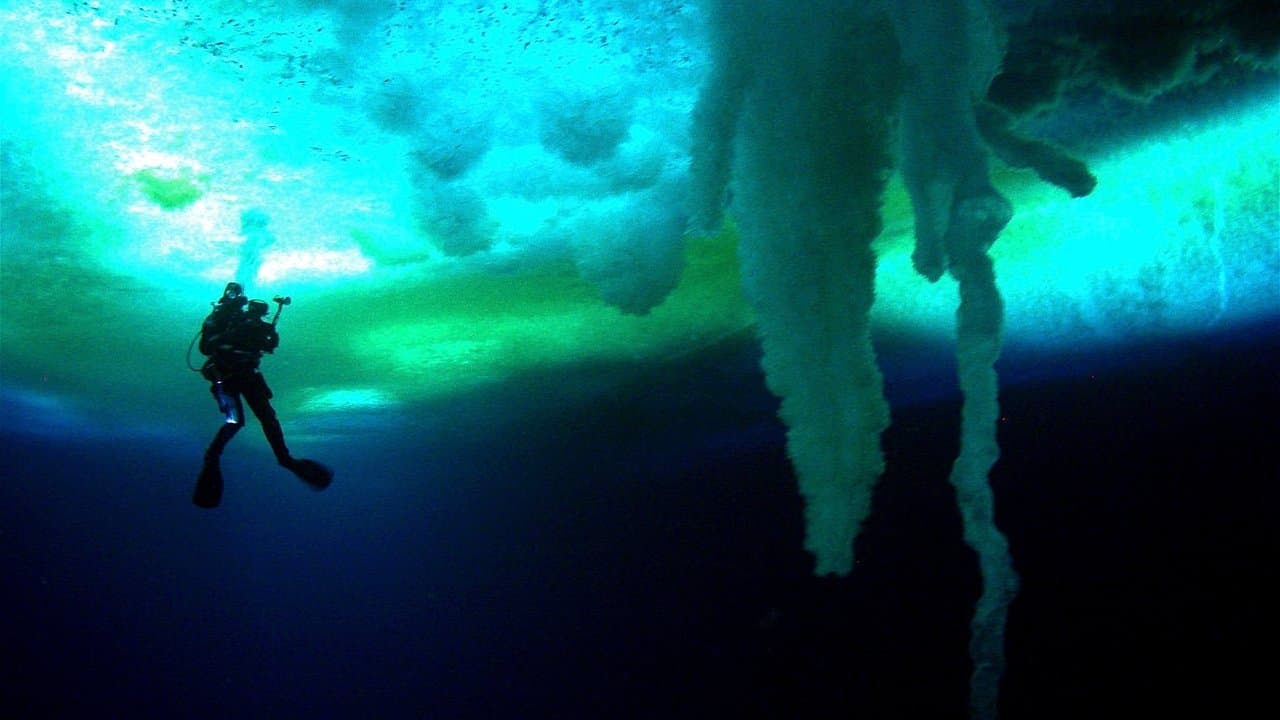
Most documentaries about Antarctica focus on the wildlife—penguins, seals, the visual spectacle of icebergs and glaciers. Herzog does show you those things, yes, but they're almost incidental. What's striking is his obsession with the people. He interviews marine biologists, volcanologists, and support staff, asking them not about their research but about their motivations, their fears, their sense of purpose. One researcher describes the otherworldly quality of diving beneath Antarctic ice; another talks about the peculiar loneliness of the continent. These aren't soundbites. They're genuine conversations that reveal character. Herzog's narration—delivered in his distinctive, slightly detached German-accented English—creates an atmosphere of philosophical inquiry rather than scientific exposition. The volcano sequences are particularly arresting; there's something almost apocalyptic about watching scientists descend into an active volcanic crater surrounded by ice and snow. The film doesn't shy away from danger or the absurdity of human ambition. It's meditative without being slow, beautiful without being sentimental, and deeply humanistic in ways that most nature documentaries aren't even attempting. I keep coming back to how Herzog captures the contradiction: Antarctica is both utterly indifferent to human presence and utterly fascinating to human curiosity.
Where to stream Encounters at the End of the World online
Finding Encounters at the End of the World is straightforward thanks to its presence on major OTT services. The film's availability varies by region and platform subscription, so checking the Where to Watch widget at the top of this page will show you exactly which streaming services currently have it in your area. Movie OTT tracks real-time availability across Netflix, Prime Video, and other major platforms, so you can see instantly where to watch without wasting time searching. Since the film is 17 years old and has a respectable IMDb rating of 7.5, it's remained in steady rotation on several platforms. Whether you're a Herzog devotee or discovering him for the first time, the film's modest runtime and profound depth make it an ideal candidate for a streaming session.
Frequently asked questions
Q: Who directed Encounters at the End of the World?
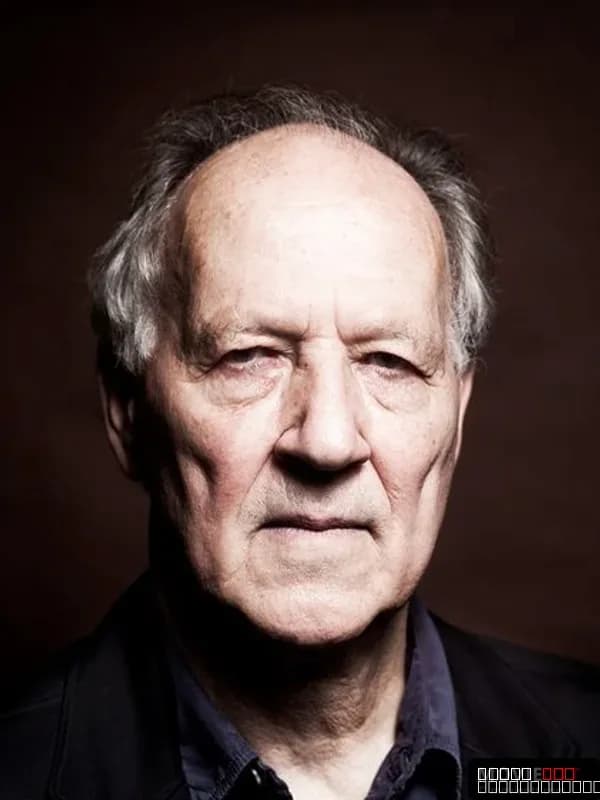
Werner Herzog directed the film. Herzog is a legendary German filmmaker known for his distinctive documentary and narrative work, often exploring extreme environments and unconventional subjects. His narration and philosophical perspective are central to the film's identity.
Q: What is the runtime of Encounters at the End of the World?
The film runs 99 minutes, a lean runtime that Herzog uses efficiently to balance stunning visuals, interviews, and philosophical reflection without excess.
Q: Did Encounters at the End of the World win any awards?
Yes—the film received a nomination for Best Documentary Feature at the 81st Academy Awards in 2009. It also earned recognition at major film festivals and has maintained a strong reputation among critics and documentary enthusiasts.
Q: Is Encounters at the End of the World based on a true story?
It's a documentary, so it documents real events, real people, and real locations. Herzog captures actual researchers at McMurdo Station and their genuine work studying Antarctica's wildlife, geology, and environment—though his artistic perspective shapes how the story is told.
Q: What should I expect from Encounters at the End of the World?
Expect a philosophical documentary that's as much about human nature as it is about Antarctica. You'll see stunning landscape cinematography, interviews with fascinating scientists, and Herzog's characteristic meditative narration. It's not a conventional nature doc—it's introspective, sometimes strange, and deeply rewarding.
Final thoughts on Encounters at the End of the World
If you're drawn to documentaries that refuse easy answers, that linger on contradictions, and that trust their audience to sit with ambiguity, Encounters at the End of the World is essential viewing. Herzog's film doesn't pretend to explain why people choose to live at the bottom of the world; instead, it honors the mystery of that choice. The combination of raw landscape, strange human characters, and Herzog's searching intelligence creates something that stays with you long after the credits roll. It's the kind of film that rewards rewatching—you'll notice new details, new questions, each time through.