The Story of Ballad of the Little Soldier
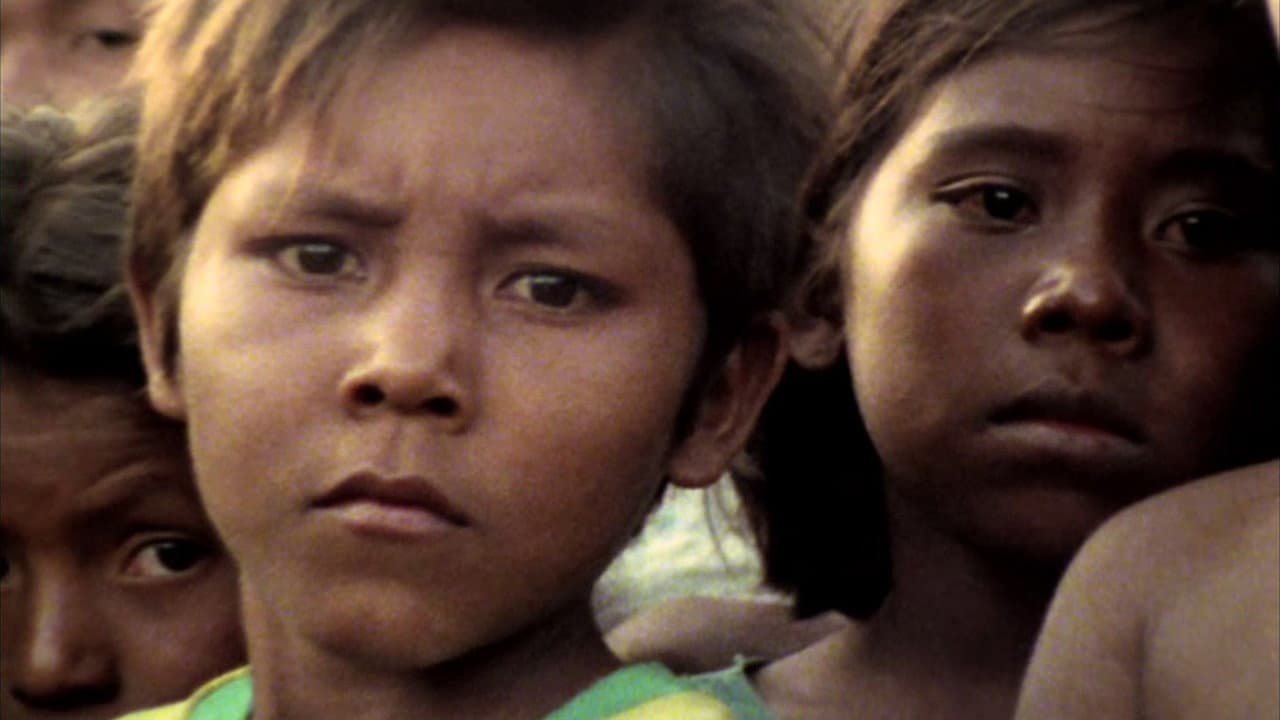
Ballad of the Little Soldier emerges from one of the most turbulent periods in Central American history. Released in 1984, the film documents a specific and troubling phenomenon: Miskito Indian communities in Nicaragua who, during their armed resistance against the Sandinista government, incorporated children into their military operations. What Herzog captures isn't a conventional war story but rather an intimate, uncomfortable portrait of how desperation reshapes childhood itself. The documentary doesn't sensationalize or exploit—instead, it observes with the kind of clinical curiosity that Herzog is known for, letting viewers grapple with the moral weight of what they're witnessing without heavy-handed narration telling them what to feel.
The film's 46-minute runtime proves deceptively lean. There's no fat here, no filler. What you get is direct access to a world most Western audiences would never otherwise encounter, framed through Herzog's distinctive lens. The title itself carries a kind of folk-song quality—"ballad"—which contrasts sharply with the documentary's unflinching subject matter. It's that tension between the poetic and the brutal that makes the film linger.
Behind the Making of Ballad of the Little Soldier
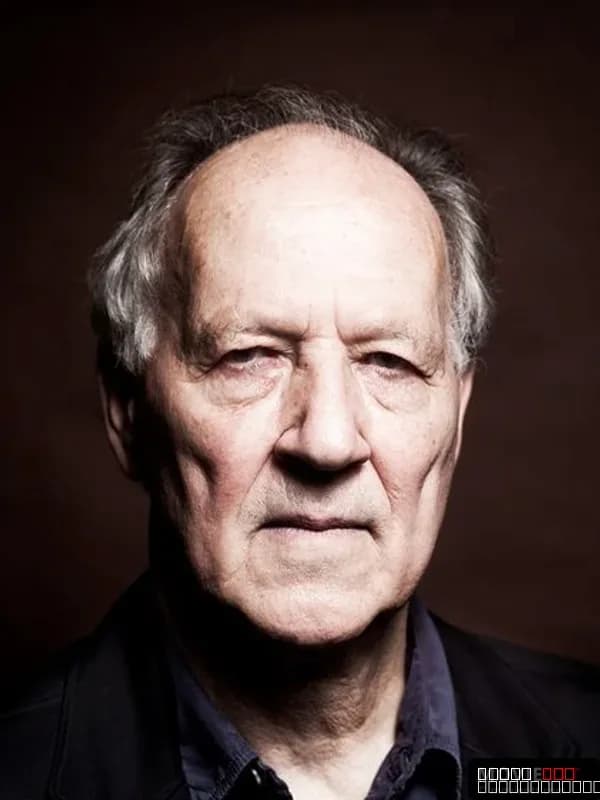
Herzog didn't work alone on this project. Co-directed with Denis Reichle, Ballad of the Little Soldier was produced by Werner Herzog Filmproduktion in partnership with Süddeutscher Rundfunk, the Bavarian public broadcaster. This institutional backing gave Herzog the resources and credibility to access communities and situations that would've been difficult for independent filmmakers to document. The production itself was an act of considerable bravery—traveling into a war zone, gaining trust from both Miskito fighters and their families, and maintaining the ethical balance required to film children in armed conflict without becoming complicit in exploitation.
The collaboration between Herzog and Reichle reflects a broader European documentary tradition of the 1980s, where German and Scandinavian filmmakers were among the few willing to venture into Central American conflict zones during the height of Cold War proxy battles. That era of documentary filmmaking—before digital cameras and smartphones—required more planning, more risk, and a different kind of commitment. You couldn't just roll up with a phone and capture everything. Every shot had to count.
The film garnered modest but meaningful recognition within the documentary circuit. While it didn't achieve mainstream box-office success (few documentaries did in 1984, and certainly not one tackling such a grim subject), it earned respect from critics and festival programmers who recognized Herzog's willingness to confront uncomfortable truths. The IMDb rating of 6.578 reflects a divided audience—some viewers found it essential viewing, others found it too difficult or too slow. That divide itself is telling: this isn't entertainment designed to please everyone.
What Makes Ballad of the Little Soldier Stand Out
Herzog's directorial approach here is characteristically patient and observational. He doesn't lecture. He doesn't impose a political framework or tell you which side to support. Instead, he trusts the images and the subjects to speak for themselves—and that restraint is precisely what makes the film so powerful. When you watch children handling weapons, explaining their reasons for fighting, or discussing their fallen comrades, the weight of what you're seeing doesn't come from manipulative editing or emotional manipulation. It comes from the reality of the situation.
What's striking is how the film treats its young subjects with a kind of dignity that's rare in war documentaries. These aren't victims being pitied or villains being condemned. They're human beings caught in circumstances beyond their control, trying to make sense of their own agency within an impossible situation. That nuance—the refusal to flatten these children into simple narratives—is what separates Herzog's work from lesser documentaries that might've exploited the same subject matter for shock value.
The cinematography captures the Nicaraguan landscape with the kind of visual poetry Herzog brings to all his work. Jungle, water, light filtering through dense vegetation—it's beautiful and haunting simultaneously. There's an aesthetic quality to the film that might seem almost inappropriate given its subject matter, and yet that tension between beauty and horror is exactly what makes you stay engaged. You can't look away because you're not being bludgeoned with sentiment; you're being asked to witness and think.
I keep coming back to how the film resists the urge to answer the questions it raises. Why do these communities recruit children? What's the political calculus? What happens to these kids after the fighting stops? Herzog doesn't tie those threads into neat conclusions. He presents the situation and lets viewers sit with the moral complexity—which, honestly, is far more honest than any tidy documentary that claims to have figured it all out.
Where to Stream Ballad of the Little Soldier Online
Finding Ballad of the Little Soldier requires some patience, as it's not the kind of documentary that gets heavy rotation on mainstream platforms. The film is currently available through major OTT services, though availability varies by region and subscription tier. For the most up-to-date information on where this title is streaming right now, check the "Where to Watch" widget at the top of this page—Movie OTT tracks current availability across all major platforms so you don't have to hunt across multiple services.
Because this is a specialized documentary from 1984, it tends to cycle through availability rather than remain permanently on any single platform. If you're serious about watching it, you might want to add it to your watchlist or set up notifications through your preferred streaming service. Some platforms categorize it under international documentaries or political documentaries, which can help narrow your search. Given its runtime of just 46 minutes, it's not a huge time commitment—which makes it easier to fit into your viewing schedule once you locate it.
Frequently asked questions
Q: Who directed Ballad of the Little Soldier?
Werner Herzog co-directed this 1984 documentary alongside Denis Reichle. Herzog, known for films like Aguirre and Fitzcarraldo, brought his distinctive observational style to this examination of child soldiers in Nicaragua.
Q: Is Ballad of the Little Soldier based on a true story?
Yes, it's a documentary that captures real events and real people. The film documents actual Miskito Indian communities and their use of child soldiers in their armed resistance against the Sandinista government during the 1980s.
Q: How long is Ballad of the Little Soldier?
The film runs 46 minutes, making it a relatively short but densely packed documentary that doesn't waste time getting to its subject matter.
Q: What's the IMDb rating for Ballad of the Little Soldier?
The film holds a 6.578/10 rating on IMDb, reflecting a mixed but thoughtful audience response to Herzog's unflinching approach to its difficult subject.
Q: Why is Ballad of the Little Soldier difficult to find?
As a specialized international documentary from 1984, it doesn't have the wide distribution of mainstream films. Streaming availability varies by region and platform, which is why checking current availability through services like Movie OTT is essential before searching.
Final Thoughts on Ballad of the Little Soldier
This isn't easy viewing. Herzog doesn't make it easy, and neither should you expect it to be. But that difficulty is precisely the point. Ballad of the Little Soldier demands something from its audience—attention, empathy, and a willingness to sit with moral ambiguity without demanding resolution. If you're interested in documentary cinema that treats its subjects as complex human beings rather than symbols or statistics, or if you want to understand a specific moment in Central American history through primary sources, this film earns your time. It's Herzog at his most essential: curious, unflinching, and deeply humane.