
The Story of Heart of Glass and Its Doomed Village
Werner Herzog's Heart of Glass opens on an 18th-century Bavarian village built entirely around one precious commodity: Ruby Glass. The glassworks that produces it has made the town prosperous, envied, almost mythic in its reputation. But when the foreman who holds the secret formula dies suddenly—without passing it on—the entire community begins to fracture. The owner of the factory becomes fixated on recovering the lost knowledge, convinced it's still somehow retrievable, that someone must know, that the secret can't simply vanish. What unfolds isn't a heist or a detective story, but something stranger: a portrait of collective delusion, where an entire village drowns in the weight of a single loss. The narrative centers on Hias, a figure with an unsettling gift of prophecy, who drifts through the chaos offering visions nobody wants to hear.
Behind the Making of Heart of Glass: Herzog's Hypnotic Vision
Herzog wrote and directed Heart of Glass through his production company, Werner Herzog Filmproduktion, drawing inspiration from a story by Herbert Achternbusch and the legend of the Bavarian prophet Mühlhiasl. The film arrived in 1976 as part of Herzog's most prolific period—a moment when he was wrestling with themes of obsession, wilderness, and the collision between human will and fate. Josef Bierbichler carries the film as Hias, delivering a performance that's almost trance-like in its stillness; he's present but untethered, observing rather than acting. The 94-minute runtime is deceptively lean—Herzog doesn't waste a frame, though the pacing itself becomes part of the hypnotic effect. While the film didn't achieve major box-office success, it's remained a fixture of Herzog's legacy and a touchstone for critics interested in how cinema can capture psychological states without resorting to conventional narrative machinery. The film holds a 6.6 rating on IMDb, a score that arguably reflects its divisive nature—some viewers find it profound, others find it deliberately obscure, and that tension is precisely where Herzog's intention lies.
What Makes Heart of Glass Stand Out: Atmosphere Over Plot
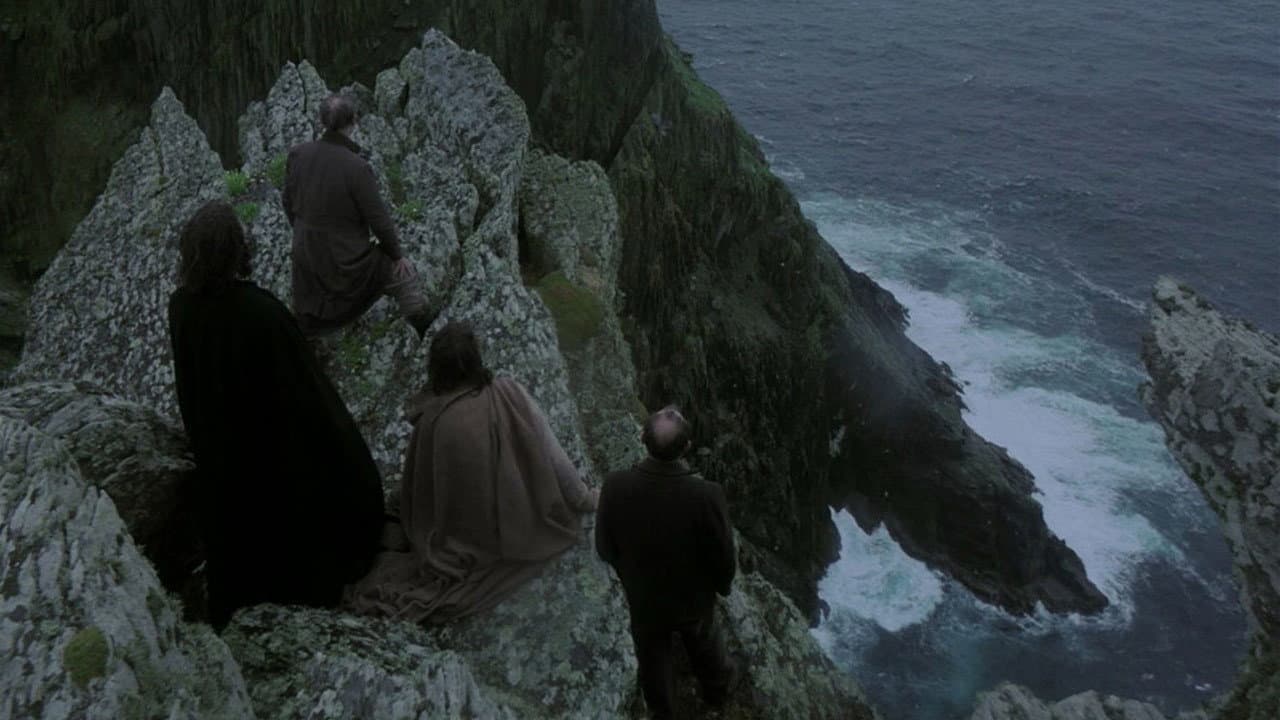
What's striking about Heart of Glass is that it doesn't feel like a traditional drama at all. There's no three-act structure, no clear antagonist, no moment of triumph or catharsis. Instead, Herzog creates a suffocating atmosphere—a village trapped in amber, slowly poisoning itself. The cinematography renders the landscape almost painterly, all muted tones and long shadows, and the performances feel deliberately restrained, as if everyone's moving through water. I keep coming back to how Herzog uses silence and empty space; characters speak, but it's what they don't say that matters. The obsession with the Ruby Glass secret becomes a stand-in for something deeper—the human need to possess, to control, to solve the unsolvable. Hias's prophetic utterances are treated with an ambiguity that's genuinely unsettling; we're never sure if he's mad, enlightened, or simply reflecting back what the village already knows about itself. The thing nobody mentions is how funny some of this is—not laugh-out-loud funny, but darkly comedic in the way Herzog sees human behavior. It's a film that rewards patience and a willingness to sit with discomfort, which is probably why it's remained obscure outside of film-studies circles.
Where to Stream Heart of Glass Online
Heart of Glass is available on major OTT services, and Movie OTT tracks exactly where it's currently streaming in your region. Rather than hunting across five different apps, you can check the Where to Watch widget at the top of this page to see which platform has it available right now—availability shifts seasonally, so it's worth confirming before you settle in. If you're a Herzog devotee or someone exploring experimental cinema from the 1970s, it's worth prioritizing when you see it pop up on your subscription services. The film's deliberate pacing and atmospheric density make it a better fit for a focused viewing session than casual background watching, so knowing where to find it is half the battle.
Frequently Asked Questions
Q: Who directed Heart of Glass and when was it released?
Werner Herzog directed Heart of Glass in 1976. He both wrote and produced the film through his production company, Werner Herzog Filmproduktion, drawing on a story by Herbert Achternbusch and the legend of a Bavarian prophet.
Q: Is Heart of Glass based on a true story?
The film is inspired by the legend of Mühlhiasl, a Bavarian prophet, though it's not a direct historical account. Herzog adapted elements of the legend into a fictional narrative about obsession and a lost artisan secret.
Q: What is the runtime of Heart of Glass?
The film runs 94 minutes, a lean runtime that Herzog uses to maintain its hypnotic, claustrophobic atmosphere without excess.
Q: Where can I watch Heart of Glass?
Heart of Glass is available on major OTT streaming platforms. Use the Where to Watch widget on this page to see which service currently has it in your region, as availability changes seasonally.
Q: What's the IMDb rating for Heart of Glass?
The film holds a 6.6/10 on IMDb, a score that reflects its divisive nature—some viewers find it a profound meditation on obsession, while others find its deliberate obscurity alienating.
Final Thoughts on Heart of Glass
Herzog's Heart of Glass isn't a film for everyone. It moves slowly, refuses easy answers, and seems almost determined to frustrate viewers looking for conventional drama. But that's precisely its strength. In an era of plot-driven streaming content, there's something genuinely radical about a film that trusts atmosphere and ambiguity over resolution. If you're willing to meet it on its own terms—to sit with the village's collective dread, to accept Hias's cryptic prophecies without demanding explanation—you'll find something that lingers long after the credits roll. It's the kind of film that justifies the existence of streaming services, because it's exactly the sort of challenging, uncompromising work that wouldn't survive theatrical release in most markets today.