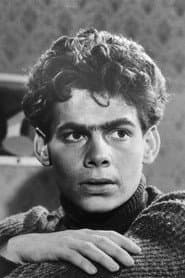
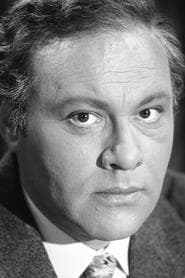
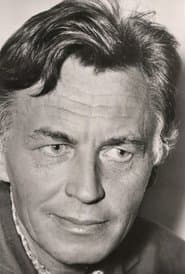

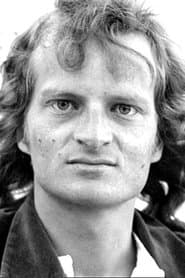
The story of Signs of Life and its descent into madness
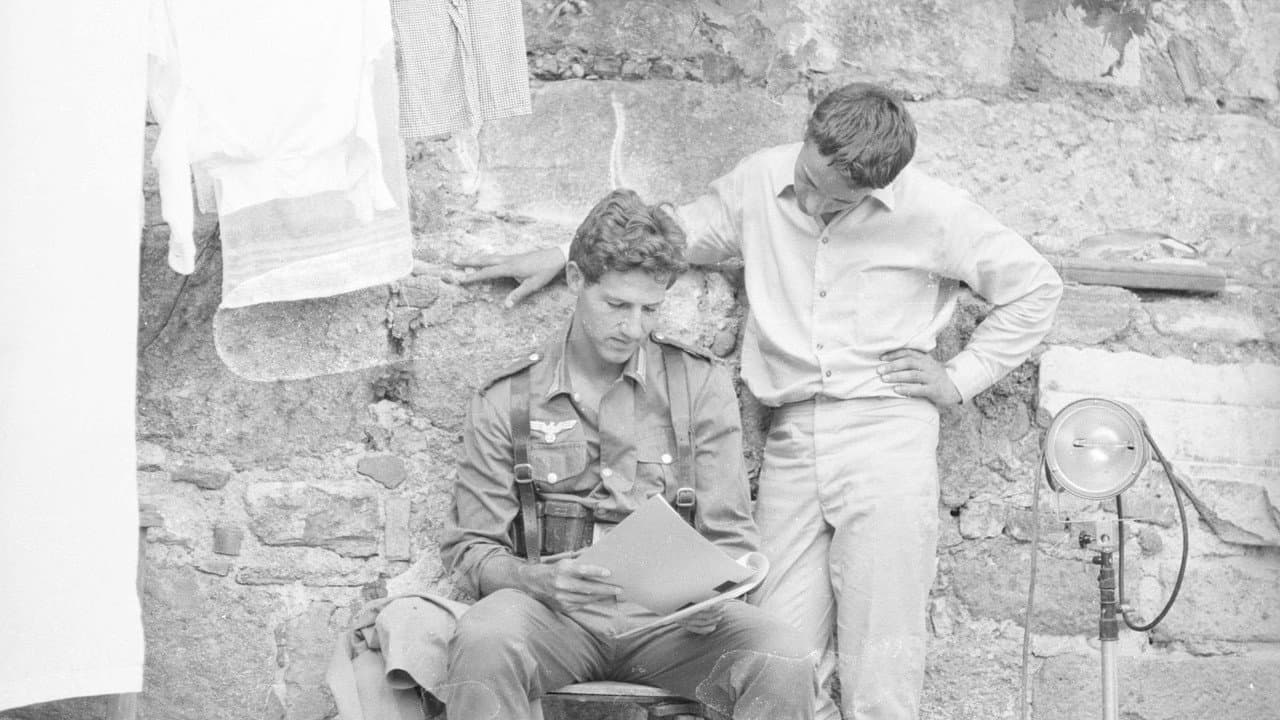
Signs of Life opens during World War II, when three German soldiers are pulled from active combat. One of them, Stroszek, has been wounded and needs time to recover. Rather than send them home or to a traditional hospital, the military assigns all three men to a small coastal community on the Greek island of Kos—a quiet, uneventful posting that seems like a reprieve from the horrors of war. At first, the assignment feels like a stroke of luck. But as weeks stretch into months with nothing to do, no real purpose, and nowhere to go, the men begin to unravel. What starts as restlessness becomes something far darker. Stroszek, in particular, can't shake the feeling that he's trapped—not just on an island, but inside his own mind.
Behind the making of Signs of Life and Herzog's breakthrough
Signs of Life was Werner Herzog's first feature film, and it arrived as a genuine artistic statement from a director who'd already proven himself capable of ambitious, uncompromising work. Herzog wrote, directed, and produced the film through his own production company, Werner Herzog Filmproduktion, giving him complete creative control over every frame. The project was loosely adapted from a 19th-century German short story, "Der Tolle Invalide auf dem Fort Ratonneau" by Achim von Arnim, which gave Herzog a literary foundation but plenty of room to make it his own. What's striking is that this debut arrived not as a small, tentative first feature but as a fully realized vision—the kind of film that announces a major directorial talent without apology or compromise.
The film became both a commercial and critical success, establishing Herzog as one of the most interesting new voices in European cinema. It didn't rake in blockbuster numbers, but it found its audience among critics and serious film enthusiasts who recognized something rare: a director willing to sit with psychological discomfort and let it breathe. The 91-minute runtime is economical—there's no fat here, no scene that doesn't earn its place—and that tightness only amplifies the sense of claustrophobia. Over at Movie OTT, where streaming availability across platforms is tracked and updated regularly, Signs of Life remains a touchstone for anyone interested in the origins of one of cinema's most provocative filmmakers.
What makes Signs of Life stand out as Herzog's psychological study
The real power of Signs of Life lies in how it transforms a simple premise—soldiers waiting for one man to heal—into a meditation on the fragility of the human mind under monotony. There's no grand battle sequence, no traditional war-film heroics. Instead, Herzog gives us boredom as the antagonist. The men smoke, they drink, they wander. They try to find ways to pass time on an island that offers nothing. It's a slow-burn descent that builds almost imperceptibly until Stroszek's behavior becomes unmistakably erratic. What's remarkable is how the film never explains his breakdown in clinical terms or offers easy psychological diagnosis. It just shows it happening—the gradual erosion of sanity that comes from having nothing to do and nowhere to be.
The performances anchor everything. The cast doesn't lean on theatrical flourishes; instead, they inhabit these men with a kind of weary naturalism that makes their deterioration feel inevitable rather than dramatic. You can see it in their eyes, in the way they move through scenes with decreasing purpose. I keep coming back to how Herzog refuses to make Stroszek's madness sympathetic or tragic in a conventional sense. It's not scored with swelling music or framed as a tragedy. It just is—a fact of what happens when a mind breaks. The film's IMDb rating of 6.592/10 doesn't quite capture how unsettling and effective it is; some viewers find it too austere, too willing to sit in discomfort without offering release. That's precisely what makes it work. This isn't a film that wants to comfort you.
Where to stream Signs of Life online
Signs of Life is currently available on major OTT services, and if you're serious about Herzog's work or interested in the origins of European art cinema, it's worth seeking out. The film's sparse visual style and psychological intensity translate well to the smaller screen—though there's something about its stark, almost documentary-like cinematography that rewards focused viewing. When you're looking for where to watch, the "Where to Watch" widget at the top of this page will show you exactly which platforms currently have it in your region, so you don't have to hunt across multiple sites. Availability shifts, but the film has maintained a presence on the streaming landscape because it's the kind of work that film enthusiasts actively search for.
Frequently asked questions
Q: Who directed Signs of Life?
Werner Herzog wrote, directed, and produced Signs of Life in 1968. It was his first feature film and established him as a major new voice in European cinema.
Q: Is Signs of Life based on a true story?
No, it's not based on a true story, though it's inspired by a 19th-century German short story called "Der Tolle Invalide auf dem Fort Ratonneau" by Achim von Arnim. Herzog adapted the premise but made it his own.
Q: How long is Signs of Life?
The film runs 91 minutes, a tight runtime that intensifies the claustrophobic atmosphere Herzog creates.
Q: What happens in Signs of Life?
Three German soldiers are assigned to a small Greek island during WWII while one of them recovers from a wound. As weeks pass with no real purpose or activity, the men grow increasingly restless and unstable, particularly Stroszek, who descends into madness.
Q: Where can I watch Signs of Life?
Signs of Life is available on major OTT platforms. Check the "Where to Watch" widget at the top of this page to see current availability in your region, or browse Movie OTT to compare streaming options.
Final thoughts on Signs of Life
Signs of Life isn't an easy watch, and it doesn't pretend to be. Herzog's debut is a deliberate, uncompromising portrait of psychological collapse that refuses to soften its edges for audience comfort. But that's exactly why it matters. Fifty-five years after its release, it remains a masterclass in how to build dread through simplicity—how to make an island feel like a prison and inactivity feel like torture. If you're willing to meet it on its own terms, it's unforgettable.