

The story of The Enigma of Kaspar Hauser
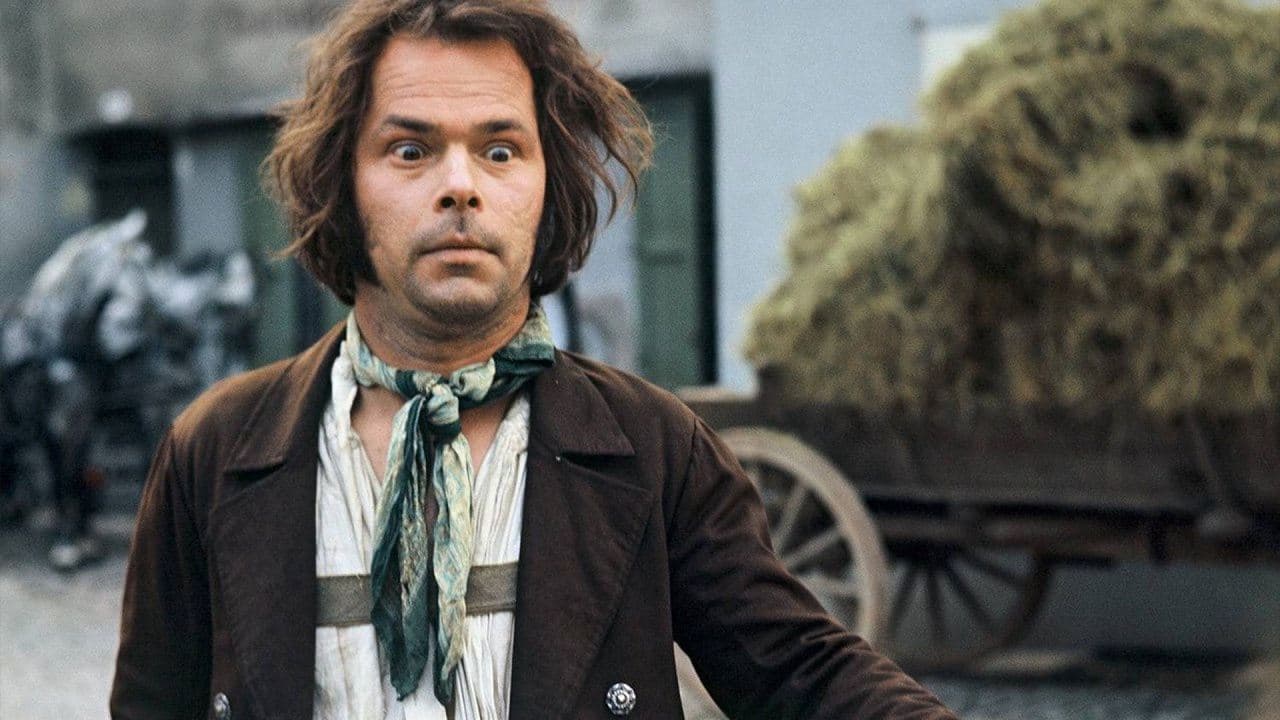
Werner Herzog's The Enigma of Kaspar Hauser opens with a mystery that feels almost too strange to be real—yet it is. In 1828, a young man stumbles into a Bavarian town square, barely able to walk, speaking only a handful of words. His name is Kaspar Hauser, and he arrives carrying a letter explaining that he's spent the first seventeen years of his life chained in a cellar, fed by a man in a black overcoat and top hat, with nothing but a toy horse for company. That's the premise. From there, Herzog doesn't rush to answers. Instead, he lets us sit with Kaspar's confusion, his gradual awakening to language and sensation, the slow, almost painful process of becoming human in a world that doesn't quite know what to do with him. It's a film that trusts silence as much as speech—and that's rare.
The narrative unfolds like a historical document brought to life, drawing directly from letters discovered with the real Kaspar Hauser. Herzog doesn't impose a tidy chronology or neat explanations. Rather, he presents fragments of Kaspar's emergence into society: his attempts to learn, his vulnerability, the townspeople's mixture of curiosity and suspicion. What makes this work isn't plot momentum—it's the central performance and the film's willingness to sit with existential questions that have no easy resolution. Who is Kaspar Hauser, really? Where did he come from? Was he a victim of aristocratic intrigue, a social experiment, or something else entirely? The film refuses to settle these questions, and that refusal is its greatest strength.
Behind the making of The Enigma of Kaspar Hauser
Herzog's direction of The Enigma of Kaspar Hauser represents one of cinema's most distinctive visions applied to a true-crime historical narrative. Produced by ZDF and Werner Herzog Filmproduktion, the film arrived in 1974 at a moment when Herzog was already establishing himself as a filmmaker uninterested in conventional storytelling. The 109-minute runtime gives him space to breathe—to linger on faces, landscapes, and the quiet moments between dialogue where meaning actually lives. Bruno S., who plays Kaspar, was a revelation: a non-professional actor with an uncanny ability to convey profound alienation and wonder simultaneously. His performance carries the entire film, and it's hard to imagine anyone else in the role capturing that peculiar mix of vulnerability and strange dignity.
The film's IMDb rating of 7.3/10 reflects its polarizing nature—it's not a crowd-pleaser, and Herzog never intended it to be. What's striking is how Herzog uses the actual historical documents. He incorporates the real letters found with Kaspar, grounding the narrative in fact while simultaneously emphasizing how little we truly understand about his origins. The production design and cinematography create a 19th-century world that feels lived-in rather than reconstructed, and that authenticity matters when you're asking audiences to grapple with such an enigmatic story. Herzog's commitment to ambiguity—refusing to provide the psychological or narrative closure audiences might expect—was a bold choice in 1974 and remains so today.
What makes The Enigma of Kaspar Hauser stand out
What's remarkable about The Enigma of Kaspar Hauser is that it never condescends to Kaspar or to the audience. There's no voiceover explaining what we should think, no melodramatic music swelling to tell us when to feel sad. Instead, Herzog presents Kaspar's re-entry into human society as genuinely disorienting—and we experience that disorientation alongside him. When Kaspar encounters a horse, a mirror, or the concept of time, we're watching someone encounter these things for the first time, and it's both beautiful and unsettling. The film doesn't treat him as a curiosity to be pitied but as a consciousness awakening to a world that's far more complex and cruel than the cellar he knew.
Bruno S.'s performance is the emotional anchor here. He doesn't play Kaspar as a victim seeking sympathy—there's something almost otherworldly about his presence, a kind of profound innocence mixed with an inability to fully comprehend the social rituals around him. Every scene where he struggles to understand language, or where townspeople project their own theories onto his mysterious past, gains weight because of his commitment to the character. Critics and viewers have noted that the film doesn't offer easy psychological explanations for Kaspar's behavior or emotional responses. That's intentional. Herzog seems to suggest that some aspects of human experience—trauma, isolation, the formation of identity—can't be neatly explained or resolved. It's a film that trusts viewers to sit with ambiguity, and that's increasingly rare. If you're looking for recommendations on where to find films that challenge conventional narrative structure, Movie OTT curates selections of art-house cinema and historical dramas that reward patient viewing.
How to watch The Enigma of Kaspar Hauser online
The Enigma of Kaspar Hauser is currently available on major OTT services, and the Where to Watch widget at the top of this page will show you exactly which platforms are streaming it in your region right now. Since streaming availability shifts regularly, that widget is your best bet for current information. The film's 109-minute runtime makes it accessible for an evening viewing, though you'll want to be in the right headspace—this isn't background-watch material. It demands attention. Movie OTT tracks availability across multiple platforms, so you can find the option that works best for you without having to check five different apps. The film's deliberate pacing and philosophical bent mean it's worth watching on a screen where you can really see the cinematography and facial expressions.
Frequently asked questions
Q: Is The Enigma of Kaspar Hauser based on a true story?
Yes, absolutely. The film is based on the real historical figure Kaspar Hauser, a foundling who appeared in Nuremberg, Bavaria in 1828 under mysterious circumstances. Herzog incorporates actual letters found with Hauser and draws from historical records, though he takes creative liberties with chronology and doesn't attempt to "solve" the mystery of who Hauser really was or where he came from.
Q: Who directed The Enigma of Kaspar Hauser?
Werner Herzog wrote and directed the film. It's a signature work in his filmography, showcasing his interest in outsider characters, philosophical questions, and narratives that resist easy explanation.
Q: Who plays Kaspar Hauser?
Bruno S., a non-professional actor, delivers the central performance. His portrayal is widely considered one of cinema's great acting achievements, capturing both Kaspar's profound alienation and his gradual awakening to the world around him.
Q: How long is The Enigma of Kaspar Hauser?
The film runs 109 minutes, giving Herzog ample time to develop Kaspar's story without rushing or resorting to heavy exposition.
Q: What's the IMDb rating for The Enigma of Kaspar Hauser?
The film holds a 7.3/10 rating on IMDb, reflecting its status as a challenging, unconventional work that appeals strongly to some viewers and less so to those seeking conventional narrative satisfaction.
Final thoughts on The Enigma of Kaspar Hauser
If you're drawn to cinema that asks difficult questions and trusts you to find your own answers, The Enigma of Kaspar Hauser is essential. This isn't a film that wraps everything up neatly. It won't tell you exactly who Kaspar Hauser was or why his life unfolded as it did. But that's precisely why it matters. Herzog's willingness to embrace mystery—to let Kaspar remain, in many ways, enigmatic—is a radical act in a medium often obsessed with exposition and closure. The film lingers in the mind long after it ends, and that's the mark of something genuinely important. It's a 1974 masterpiece that hasn't aged a day.