The story of God's Angry Man
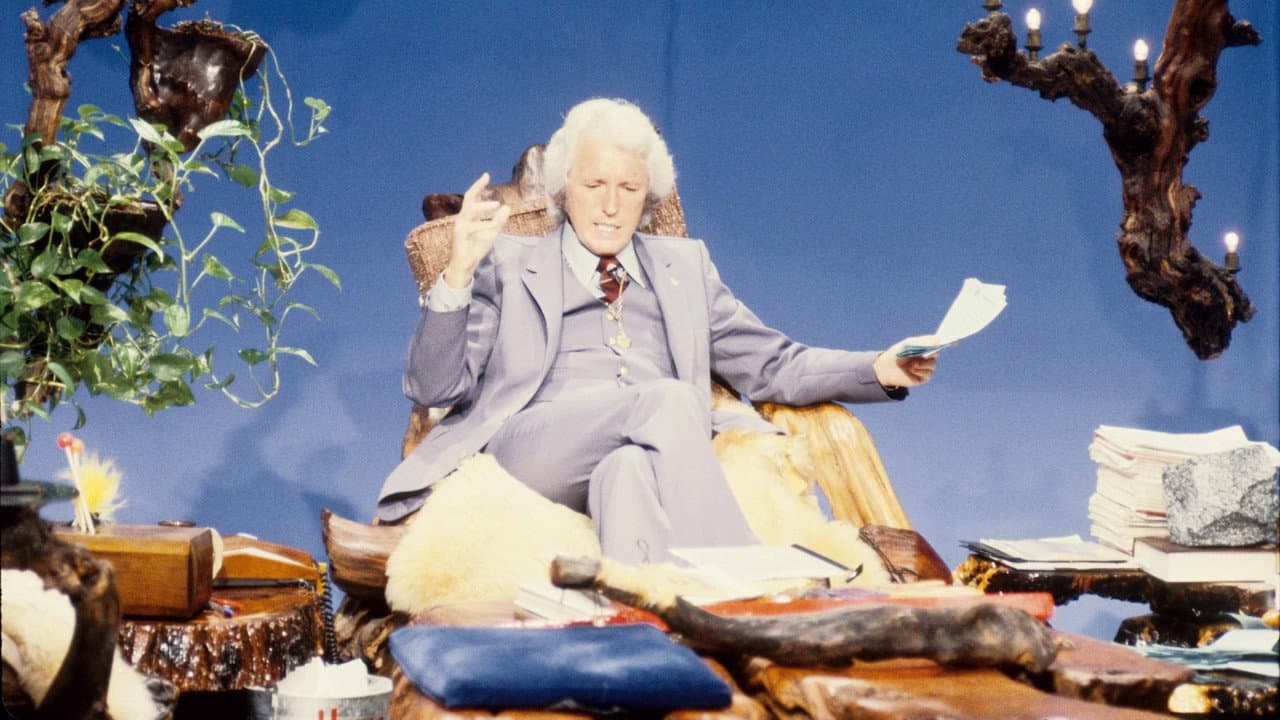
Werner Herzog's God's Angry Man isn't your typical inspirational faith documentary. Instead, it's a raw, unflinching look at Gene Scott, a Los Angeles-based pastor and Stanford PhD who spent nearly fifty years as an ordained minister and religious broadcaster—and spent a good portion of that time absolutely furious at practically everyone around him. The film captures Scott in his element: on the air, arguing with callers, complaining bitterly about his viewers' failure to send enough money to keep his operation afloat, and waging a constant battle against the Federal Communications Commission, which wanted nothing more than to shut him down during the 1970s and '80s. At just 46 minutes, this television documentary packs an uncomfortable amount of tension into a deceptively short runtime.
Behind the making of God's Angry Man
Produced by Werner Herzog Filmproduktion and Süddeutscher Rundfunk (a major German public broadcaster), God's Angry Man emerged in 1983 as a television documentary—though Herzog's original German title, Glaube und Währung (Faith and Currency), hints at the film's real subject matter. It's not really about faith at all. It's about money, desperation, and the collision between charisma and institutional resistance. Herzog, already known for his unconventional documentaries and his obsession with outsider figures and extreme personalities, found in Gene Scott the perfect subject: a man with legitimate academic credentials (a PhD from Stanford), genuine theological knowledge, and an absolutely volcanic temperament that made him utterly unsuitable for the kind of smooth, marketable religiosity that dominated American televangelism. The production involved Herzog's own company and the resources of a major European broadcaster, giving the film a professional sheen that contrasts sharply with the chaos and desperation of Scott's on-air persona. While the film didn't achieve major theatrical distribution or win major awards, it's become something of a cult artifact among Herzog devotees and documentarians interested in American religious broadcasting.
What makes God's Angry Man stand out as documentary cinema
What's striking about God's Angry Man is how it refuses to judge Scott even as it documents his worst impulses—his anger at his audience, his constant financial pleading, his combative relationship with regulators. Herzog's approach isn't satirical or condescending; it's observational in a way that feels almost anthropological. The film doesn't need to insert a narrator explaining what we're watching. Scott does it himself, live on air, ranting about money, about the FCC, about the ingratitude of his viewers. You watch a man who's genuinely intelligent—he quotes scripture, he engages with theology, he understands broadcasting law—slowly unraveling on camera. The performance, if you can call it that, is completely unfiltered. There's no polish, no careful media training. It's just Gene Scott, hour after hour, fighting everyone and everything. I keep coming back to the central contradiction at the heart of the film: here's a man who's built his entire ministry on broadcast technology, on the ability to reach thousands of people through the airwaves, yet he's perpetually broke, perpetually angry at those same people for not funding him adequately. That tension—between the scale of his ambition and the pettiness of his financial desperation—is what makes the documentary so uncomfortable and so compelling.
Where to stream God's Angry Man online
If you're curious about this strange, uncomfortable piece of American religious history, God's Angry Man is available on major OTT services. Movie OTT tracks current streaming availability across platforms, and you can check the Where to Watch widget at the top of this page to see exactly where it's streaming right now in your region. Since it's a relatively obscure 1983 television documentary, it doesn't have the wide availability of mainstream titles, but it does rotate through various streaming catalogs. The short runtime—less than an hour—makes it easy to fit into an evening, though the intensity of what you're watching might leave you needing a break afterward.
Frequently asked questions
Q: Who directed God's Angry Man?
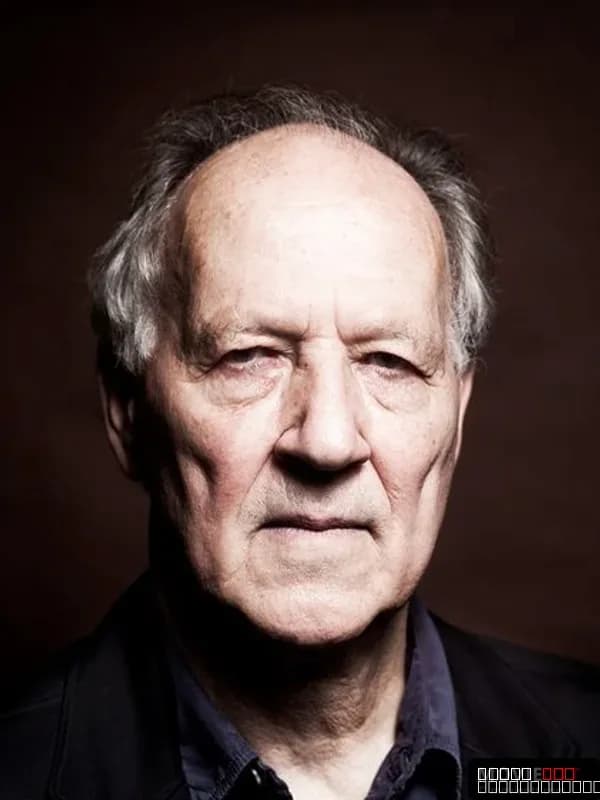
Werner Herzog, the renowned German filmmaker known for documentaries like Grizzly Man and Aguirre, the Wrath of God, directed this 1983 television documentary. Herzog has always been drawn to eccentric, outsider figures, and Gene Scott fit that profile perfectly.
Q: Is God's Angry Man based on a true story?
It's not based on a story—it's a documentary, meaning it captures real events and a real person. Gene Scott was an actual televangelist who operated in Los Angeles for decades, and everything in the film documents his actual broadcasts and his genuine battles with the FCC.
Q: How long is God's Angry Man?
The film runs just 46 minutes, making it one of Herzog's shorter works. Despite the brief runtime, it's remarkably dense in terms of the material and tension it captures.
Q: What's the original German title and what does it mean?
The original title is Glaube und Währung, which translates to Faith and Currency. That subtitle actually captures the film's real subject better than the English title does—it's fundamentally about the relationship between religious belief and money.
Q: Why did Gene Scott fight with the FCC?
Scott's television broadcasts were controversial, and the FCC attempted to shut down his show during the 1970s and '80s. The documentary captures this ongoing conflict and Scott's defiant resistance to regulatory pressure, though it doesn't deeply explain the specific violations that prompted the FCC's actions.
Final thoughts on God's Angry Man
God's Angry Man isn't comfortable viewing. It's not inspiring, it's not uplifting, and it doesn't offer easy answers about faith or broadcasting or American culture. What it does offer is an honest, unvarnished portrait of a man at war with himself and everyone around him. Herzog understood something crucial: sometimes the most revealing documentaries aren't the ones that explain their subjects, but the ones that simply let them speak. Gene Scott speaks plenty here—and what he says, and how he says it, tells you everything you need to know about the gap between ambition and reality in American religious broadcasting. If you're interested in Herzog's work, outsider documentaries, or the stranger corners of American media history, it's worth tracking down. Movie OTT can help you find it.