




The Story of Karla and Canada's Darkest Crime
Karla is a 2006 psychological thriller that reconstructs one of Canada's most horrifying criminal cases. The film follows the rise and fall of Paul Bernardo and his wife Karla Homolka, a couple whose seemingly ordinary suburban life masked a descent into serial murder. Rather than focusing solely on the perpetrator, the narrative centers on Karla herself—a woman who didn't just witness the crimes, but actively participated in them, including the death of her own sister. The film doesn't shy away from the moral ambiguity of her story: was she a victim of coercion, a willing accomplice, or something far more complicated? That tension—the question of how someone could become entangled in such darkness—is what makes Karla so unsettling to watch.
Behind the Making of Karla and Its Production Journey
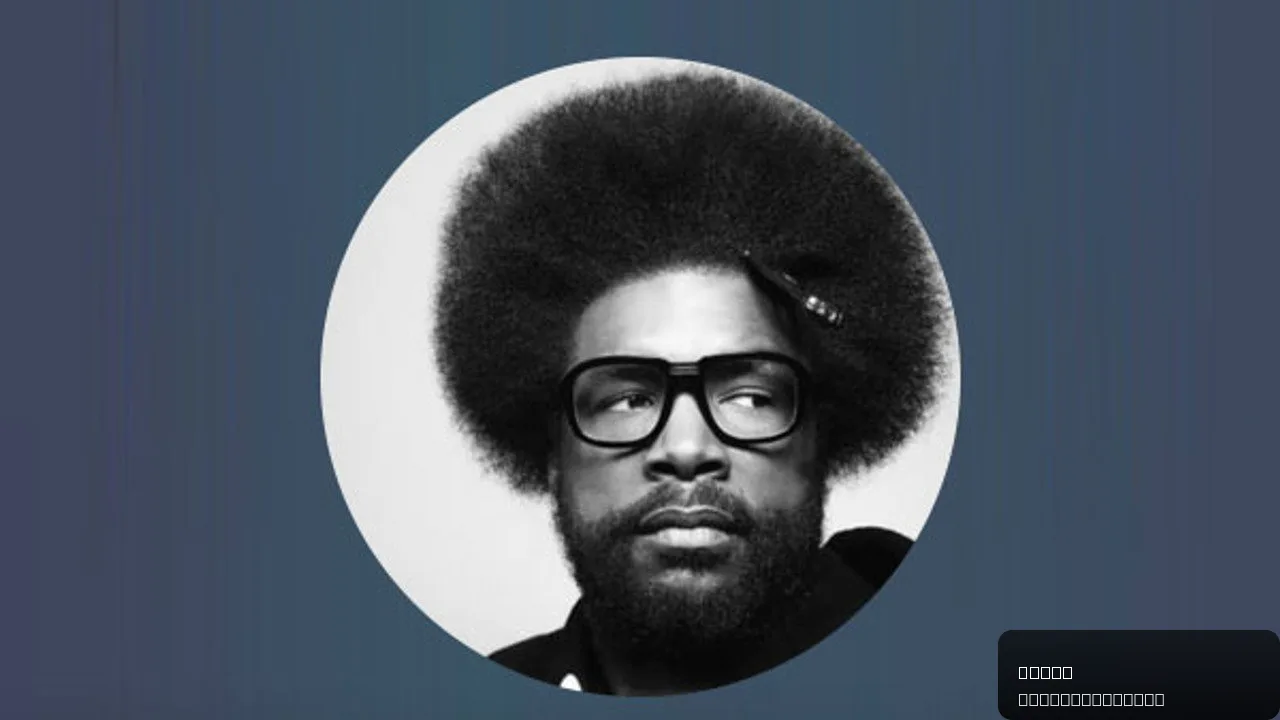
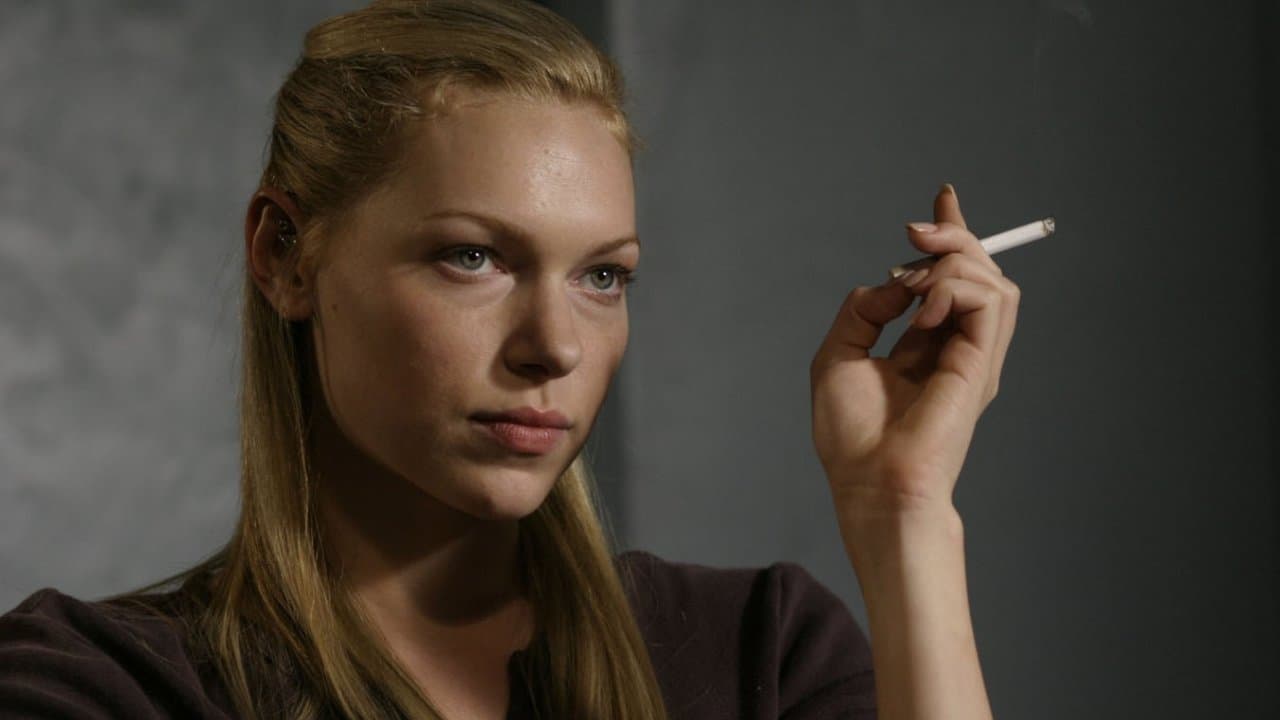
Karla was written and directed by Joel Bender, with co-writers Manette Rosen and Michael D. Sellers adapting the real-life case into a dramatic screenplay. The film emerged from Quantum Entertainment and arrived in 2006 with a runtime of 99 minutes, clocking in as a lean, intense examination of true crime. Misha Collins—known for his later role as Castiel in Supernatural—took on the role of Paul Bernardo, while Laura Prepon, fresh from her early seasons on That '70s Show, played Karla Homolka. Prepon's casting was particularly significant; she brought a girl-next-door quality that made Karla's dual nature—victim and perpetrator—all the more unsettling. The film didn't achieve blockbuster box office success, nor did it rack up major awards recognition, but it carved out a place in the true crime conversation. It's rated R for its unflinching depiction of sexual violence and murder. The production chose to release the film on streaming platforms early in its lifecycle, making it accessible to audiences interested in crime narratives without requiring a theatrical commitment.
What Makes Karla Stand Out Among True Crime Dramas
What's striking about Karla is that it doesn't treat Karla Homolka as a straightforward villain or victim—it lets her exist in that uncomfortable middle ground where most real people actually live. Prepon's performance captures a woman caught between self-preservation and genuine complicity, someone who might have started as a prisoner in her own marriage but became an active participant in horror. The film doesn't ask you to sympathize with her so much as to understand her, which is far more disturbing. Collins brings a chilling ordinariness to Bernardo; he's not a cartoonish monster but a manipulative charmer who exploits Karla's insecurities and isolation. The psychological dynamic between them—how he isolates her, how she rationalizes her involvement, how they feed off each other's worst impulses—is rendered with a clarity that makes the whole thing feel sickeningly plausible. The cinematography and pacing deliberately avoid sensationalism, treating the material with a gravity that respects the real victims while still examining the perpetrators' psychology. That restraint is harder to pull off than you'd think, and it's what separates Karla from exploitation fare. The IMDb rating of 5.4 reflects the film's divisive nature; some viewers found it too clinical, others too disturbing, but few came away unmoved.
Where to Stream Karla Online
Karla is currently available on major OTT services, and Movie OTT tracks its exact streaming availability across platforms in real time. Rather than hunting through multiple apps wondering if it's on Netflix or Prime Video, the Movie OTT platform consolidates that information so you can jump straight to watching. Since streaming rights shift regularly—especially for true crime content, which can be pulled or relocated depending on platform policies—checking Movie OTT before you settle in is the smart move. The film's 99-minute runtime makes it manageable for a single evening, and most streaming services allow you to start, pause, and resume without fuss.
Frequently Asked Questions
Q: Is Karla based on a true story?
Yes, absolutely. Karla is based on the real crimes of Canadian serial killers Paul Bernardo and Karla Homolka, who committed a series of kidnappings, sexual assaults, and murders in the early 1990s. The case shocked Canada and remains one of the country's most infamous criminal cases.
Q: Who directed Karla?
Joel Bender wrote and directed the film, with co-writers Manette Rosen and Michael D. Sellers. Bender brought a psychological approach to the material rather than a sensationalized one.
Q: What is Karla's runtime?
The film runs 99 minutes, making it a relatively tight true crime drama that doesn't overstay its welcome.
Q: Why did Karla receive mixed reviews?
The film's IMDb rating of 5.4 reflects its polarizing nature. Some critics and viewers felt it was too clinical and detached, while others found it deeply disturbing and difficult to watch. The subject matter itself—serial murder and sexual violence—isn't easy viewing, and the film doesn't soften that reality.
Q: Where can I watch Karla right now?
Karla is available on major OTT streaming platforms. Use the Where to Watch widget at the top of this page to see which services currently have it in your region, or visit Movie OTT's streaming tracker for up-to-date availability.
Final Thoughts on Karla
Karla isn't a comfortable watch, and it doesn't pretend to be. It's a film about how ordinary people can become monsters—or how monsters can hide behind ordinary faces. If you're drawn to true crime narratives that ask difficult questions rather than provide easy answers, this one's worth your time. Just go in knowing what you're getting: a serious, psychologically complex examination of a real tragedy, not entertainment in the traditional sense.