









What No Country for Old Men is About
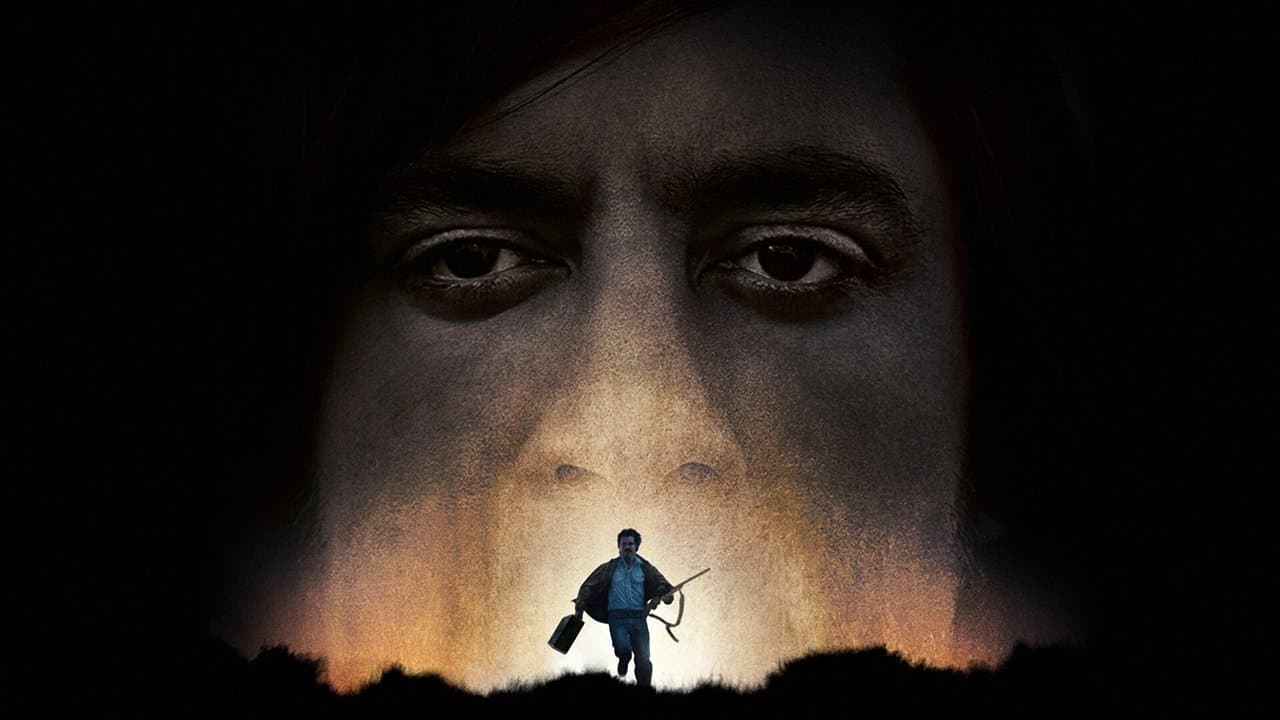
No Country for Old Men opens with a simple act of desperation that spirals into something far darker. Llewelyn Moss, a Vietnam veteran and welder, stumbles upon a drug deal gone wrong in the desert—dead bodies, scattered heroin, and $2 million in cash. He takes the money. It's a decision that sounds rational in the moment, the kind of choice a broke man might make when faced with enough wealth to change his life forever. But the film doesn't let him (or us) off easy. That money belongs to people, and those people send Anton Chigurh—a hitman who moves through the Texas landscape like a force of nature, indifferent to the human cost of his work. What unfolds isn't a heist or a simple chase. It's something closer to a meditation on inevitability, where the roles of hunter and hunted blur so completely that by the end, it's hard to remember who was ever really in control.
Behind the Making of No Country for Old Men
Joel and Ethan Coen adapted Cormac McCarthy's 2005 novel with a precision that honors the source material without feeling beholden to it. The Coen Brothers—already legendary for Blood Simple, Raising Arizona, and Fargo—brought their signature visual language to McCarthy's sparse, violent prose: wide desert shots, minimal dialogue, and a camera that watches rather than judges. The film starred Tommy Lee Jones as Sheriff Ed Tom Bell, Josh Brolin as Moss, and Javier Bardem in a career-defining role as Chigurh. Bardem's performance alone justified the entire production; he won the Academy Award for Best Supporting Actor in 2008, one of four Oscars the film claimed that night (Best Picture, Best Director, and Best Adapted Screenplay rounded out the haul). The film cost roughly $81 million to produce and earned over $171 million worldwide, making it both a critical and commercial success. Variety reported that the film's success proved audiences would embrace a slow-burn thriller with an ambiguous ending, a rare feat in mainstream cinema. The runtime of 122 minutes feels neither long nor short—it's exactly as long as it needs to be.
Why No Country for Old Men Stands Out
What's striking about this film is how it refuses to give you what you expect. You're waiting for the traditional showdown between Moss and Chigurh, the moment where protagonist and antagonist finally collide in some climactic confrontation. It doesn't happen. Instead, the Coen Brothers shift focus to Sheriff Bell—that weathered, tired face of Tommy Lee Jones—and his slow realization that the world has moved beyond his ability to protect it. The violence in the film isn't gratuitous; it's matter-of-fact, which somehow makes it more unsettling. Javier Bardem's Chigurh doesn't rant or monologue. He asks philosophical questions in a voice that's almost gentle, then executes his targets with the same calm he'd apply to ordering breakfast. Bardem's famous smile—the one reviewers couldn't stop mentioning—appears briefly and feels genuinely terrifying because it's so human, so ordinary. The film's moral landscape is one where good intentions don't shield you from consequences, where luck runs out, and where the old ways of doing things (represented by Jones's aging lawman) simply can't compete with the new brutality of the drug trade. It's bleak, yes, but it's also honest in a way that most crime thrillers aren't willing to be. Movie OTT tracks where this essential film is currently streaming across multiple platforms, making it easier than ever to experience the Coen Brothers' vision.
Where to Stream No Country for Old Men Online
No Country for Old Men is available on major OTT services, and if you haven't seen it, there's no better time than now. The film's 122-minute runtime means it won't demand an entire weekend, but the experience will stay with you long after the credits roll. The visual quality on streaming services does justice to Roger Deakins' cinematography—those desert vistas and shadow-filled interiors really sing on a good screen. Check the Where to Watch widget at the top of this page to see which streaming platforms currently carry the film in your region. Availability shifts seasonally, so if you're planning to watch, it's worth confirming your preferred service has it before you settle in.
Frequently asked questions
Q: Is No Country for Old Men based on a true story?
No, it's based on Cormac McCarthy's 2005 novel of the same name, which itself was a work of fiction. However, McCarthy drew inspiration from real events and the genuine violence of the drug trade along the Texas-Mexico border during the 1980s.
Q: Who directed No Country for Old Men?
Joel and Ethan Coen, the acclaimed filmmaking duo, directed, wrote, produced, and edited the film. It's one of their most celebrated works and won the Academy Award for Best Picture in 2008.
Q: What is the ending of No Country for Old Men about?
The film's ending is deliberately ambiguous and philosophical rather than action-driven. Without spoiling it, the climax shifts away from the expected confrontation and instead focuses on Sheriff Bell's existential reckoning with a world that's changed beyond his comprehension.
Q: How long is No Country for Old Men?
The film runs 122 minutes, which gives the Coen Brothers plenty of time to develop their three main characters and build the film's slow-burn tension.
Q: Where can I watch No Country for Old Men?
The film is available on major OTT streaming services. Use the Where to Watch widget above to check current availability on Netflix, Prime Video, and other platforms in your region.
Final Thoughts on No Country for Old Men
There's a reason No Country for Old Men remains essential viewing nearly two decades after its release. It doesn't pander, doesn't offer easy answers, and doesn't let you off the hook with a tidy resolution. The performances are uniformly excellent, the direction is assured, and the story—grounded in McCarthy's prose but fully realized through the Coen Brothers' visual language—feels urgent even on repeat viewings. If you haven't seen it, you're missing one of the greatest American films of the 21st century. If you have seen it, it's worth revisiting. That's the mark of real cinema.