







The Story of The Man Who Wasn't There
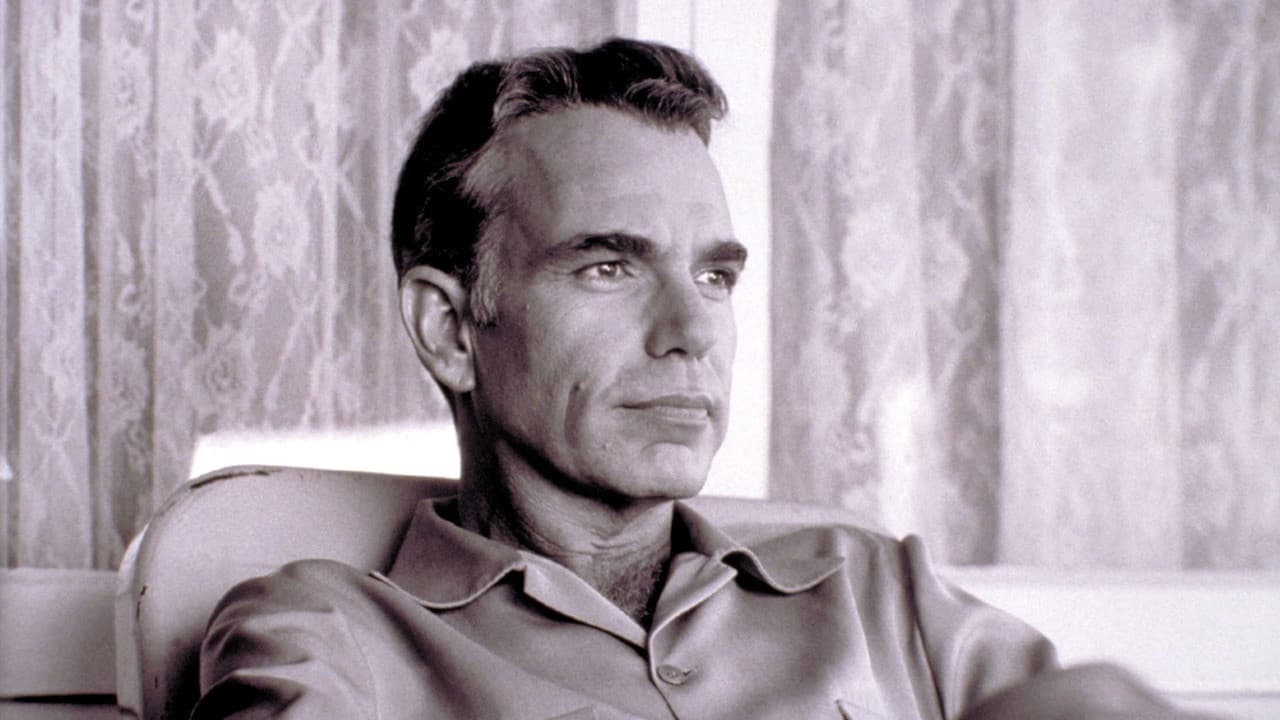
The Man Who Wasn't There opens on a man who's barely there at all. Ed Crane is a barber in a small California town during the summer of 1949, the kind of guy who exists in the margins—quiet, observant, fundamentally disconnected from his own life. He suspects his wife Doris is having an affair with her boss, and instead of confronting her, he's made peace with the slow burn of resentment. Then a stranger walks into his barbershop and offers him something that feels like a lifeline: a partnership in a new business venture, something promising, something different. All it requires is ten thousand dollars. Crane doesn't have the money, but he knows who does—and he knows how to get it. What follows is a descent into blackmail, murder, and the kind of moral quicksand that defines the noir tradition, except this version is shot in black and white, stripped of glamour, and told with the Coens' characteristic precision.
Behind the Making of The Man Who Wasn't There
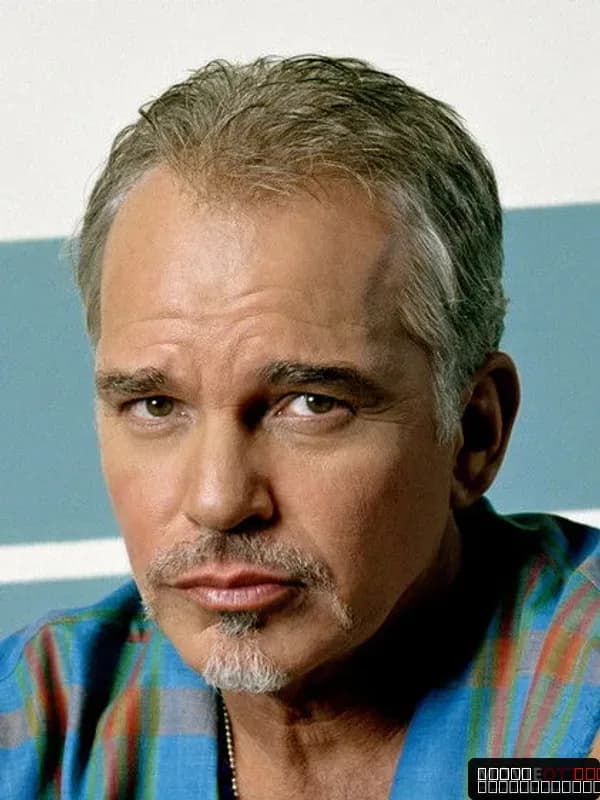
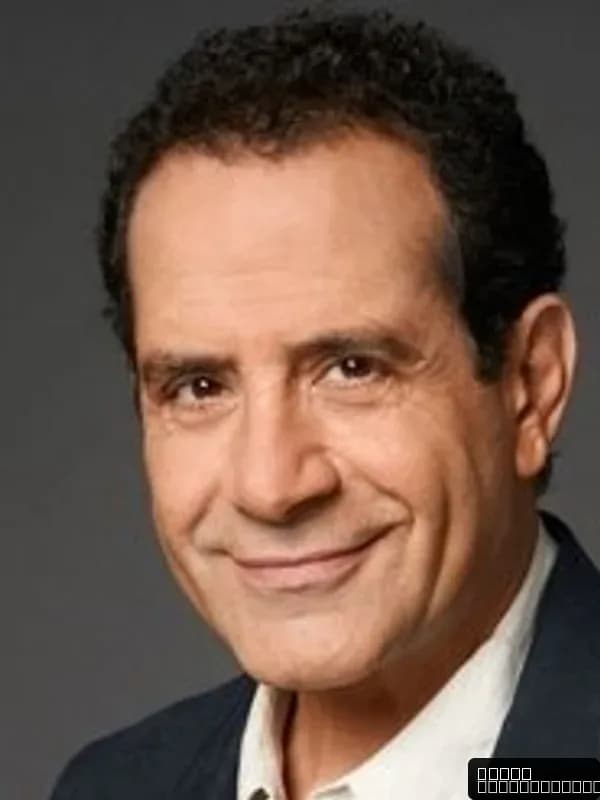
Joel and Ethan Coen wrote, directed, produced, and co-edited this film themselves, a level of creative control that shows in every frame. The production brought together a powerhouse ensemble: Billy Bob Thornton in the lead role, Frances McDormand as his wife, and supporting performances from James Gandolfini, Tony Shalhoub, Jon Polito, Richard Jenkins, Michael Badalucco, and a young Scarlett Johansson. USA Films and Working Title Films backed the project, with Mike Zoss Productions involved in the production. The Coens shot the entire film in black and white—a bold, deliberate choice that wasn't accidental nostalgia but a formal commitment to the noir aesthetic they were excavating. The 116-minute runtime gives the story room to breathe, to linger on silences and glances the way classic noir does. Critics and awards bodies took notice. The film earned strong recognition during the 2002 awards season, with several festivals and critics' circles nominating it for top honors. It's the kind of film that doesn't chase box office numbers; it chases something else entirely—artistic credibility, formal innovation, the kind of reputation that builds over decades rather than weekends. On IMDb, it holds a 7.5 rating, a solid reflection of its standing among serious film enthusiasts.
What Makes The Man Who Wasn't There Stand Out
What's striking about this film is how it refuses to make Crane sympathetic in the conventional way. He's not a wronged man fighting back against the world; he's a man who decides to commit a felony because he's bored and wants to own something. Thornton's performance—understated, nearly monotone, his face a study in American male inertia—becomes the entire emotional architecture of the film. You don't root for him so much as you watch him with the kind of fascinated dread you'd feel watching someone walk toward a cliff in slow motion. The Coens' direction is meticulous. Every shot is composed with the kind of care that makes you feel the weight of the 1949 setting, the suffocation of small-town life, the way a barber's chair becomes a confessional and a barbershop becomes a stage for human weakness. The black-and-white cinematography doesn't feel retro or cutesy—it feels inevitable, like the only honest way to tell this story. There's a scene early on where Crane stands in his shop, and the camera holds on him in a way that communicates everything: this man is trapped, and he doesn't even know it yet. That's craft. That's why people still watch this film two decades later. It's not trying to be a noir; it is a noir, made by filmmakers who understood the form so completely they could rebuild it from the ground up.
Where to Stream The Man Who Wasn't There Online
The Man Who Wasn't There is available across major OTT services, and Movie OTT tracks current streaming availability in real time so you can find exactly where to watch it right now. Availability shifts seasonally, and the film's presence varies by region and platform, so checking the Where to Watch widget at the top of this page will show you the most up-to-date options. Whether you're a subscriber to the major streaming platforms or prefer to rent or purchase, you'll find the film accessible through multiple channels. It's the kind of movie that rewards a dedicated viewing—ideally on a larger screen where the black-and-white cinematography can really land—so if your primary streaming service doesn't currently carry it, Movie OTT can help you locate it elsewhere.
Frequently Asked Questions
Q: Who directed The Man Who Wasn't There?
Joel and Ethan Coen wrote, directed, produced, and co-edited the film. It's one of their most formally experimental works, shot entirely in black and white and rooted in classic noir conventions they'd been building toward throughout their career.
Q: Is The Man Who Wasn't There based on a true story?
No, it's an original screenplay written by the Coen Brothers. The story is entirely fictional, though it draws on noir archetypes and the moral universe of crime fiction that spans from Dashiell Hammett to James M. Cain.
Q: What year is The Man Who Wasn't There set in?
The film is set in the summer of 1949 in a small California town. The period setting is crucial to the film's atmosphere and the kind of limited options available to its protagonist.
Q: How long is The Man Who Wasn't There?
The film runs 116 minutes, giving the narrative plenty of room to develop its slow-burn tension and explore the psychology of its characters without rushing toward resolution.
Q: What's the IMDb rating for The Man Who Wasn't There?
The film holds a 7.5 rating on IMDb, reflecting strong appreciation among film enthusiasts and critics, though it remains less mainstream-popular than some of the Coens' other work.
Final Thoughts on The Man Who Wasn't There
This is cinema for people who actually love cinema. It's not an easy watch—it's deliberately paced, morally murky, and shot in a style that demands you meet it halfway. But if you're willing to sit with a film that trusts its audience, that doesn't explain every motivation or tie up every loose thread, The Man Who Wasn't There rewards that trust with something rare: a genuine work of art. Twenty years later, it hasn't dated. If anything, it's become clearer.