
The Story of Kate & Leopold
Kate & Leopold tells the story of Stuart Besser, a physicist who makes a discovery that changes everything: a temporal portal connecting 1876 New York to the present day. When he accidentally pulls his great-great-grandfather—Leopold, a charming Duke from the Gilded Age—through the gateway, chaos ensues. Leopold finds himself bewildered by electricity, automobiles, and television commercials, while Stuart watches his carefully ordered life spiral into confusion. But here's where it gets interesting: Leopold meets Kate, Stuart's ex-girlfriend, and the two spark an unexpected romance that forces Kate to reconsider what she really wants from life. The film becomes less about the science of time travel and more about whether love can transcend centuries.
What makes Kate & Leopold work as a premise is its willingness to play both sides. It's not just a fish-out-of-water comedy (though Leopold's reactions to modern conveniences are genuinely funny) and it's not just a romance (though the chemistry between the leads matters enormously). Instead, it's a film about a woman stuck between two versions of herself—the ambitious, career-driven Kate of the present, and the version of herself that Leopold's old-fashioned courtship awakens. There's a deadline looming, a portal that won't stay open forever, and Kate has to choose.
Behind the Making of Kate & Leopold
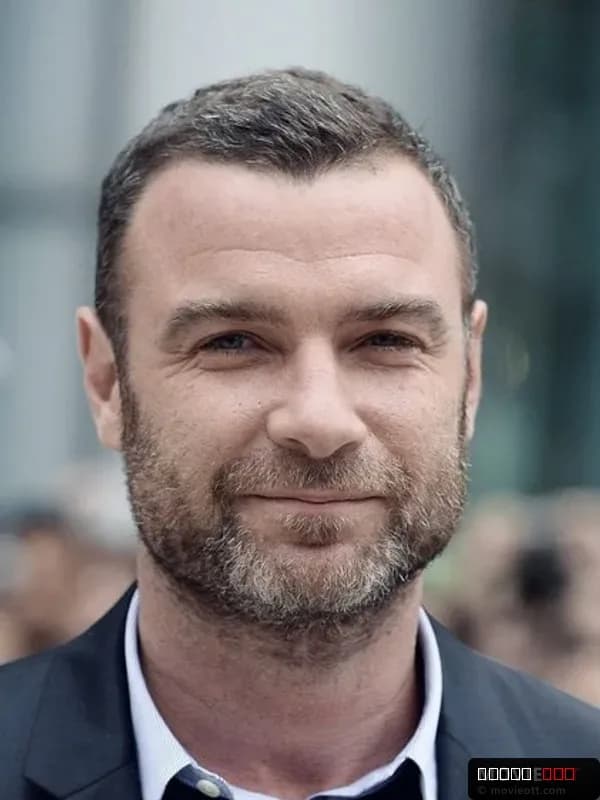
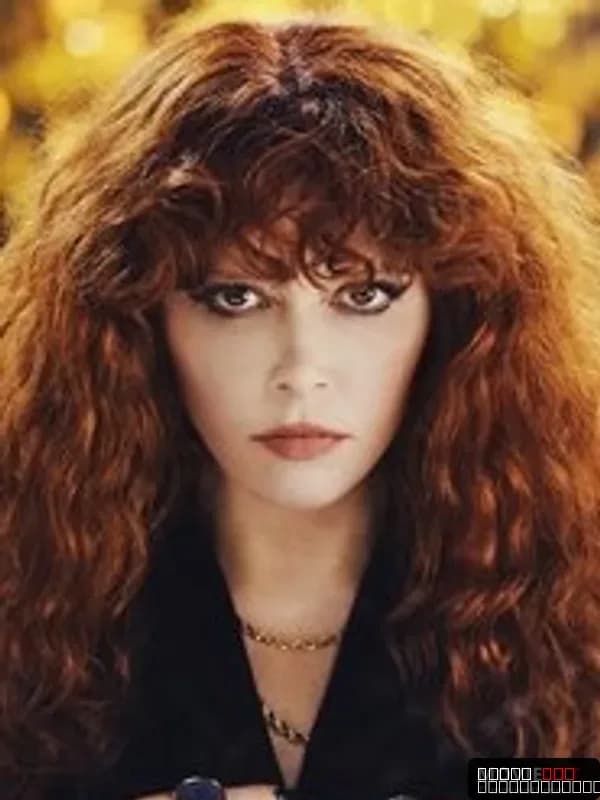
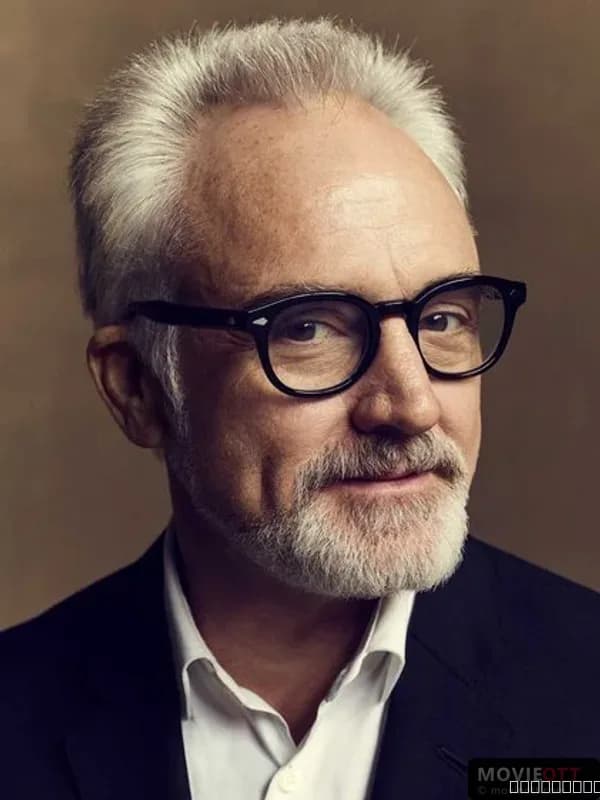
Director James Mangold brought Kate & Leopold to the screen in 2001 with a cast that, on paper, seemed perfectly calibrated for romantic chemistry. Meg Ryan was already a rom-com powerhouse, fresh off Sleepless in Seattle and You've Got Mail, while Hugh Jackman was building momentum as a leading man (this came just before X-Men would make him a global star). The supporting cast—including Liev Schreiber as Stuart, Breckin Meyer, Natasha Lyonne, and Bradley Whitford—provided solid comedic and dramatic grounding.
The film earned $47.1 million at the box office, a respectable haul for a romantic comedy at the turn of the millennium, though hardly a blockbuster. Critics were more divided. The Metascore landed at 44/100, and Rotten Tomatoes rated it at 52% (Rotten), suggesting the film sat in that awkward middle ground where it pleased audiences more than critics. That said, the Academy took notice—Kate & Leopold earned a nomination for Best Original Musical or Comedy Score, and the film picked up five additional nominations across various awards bodies, with one win. The PG-13 rating kept it accessible to a broad audience, and that accessibility likely helped its theatrical run.
Mangold, who'd already shown range with films like Cop Land and would later direct the acclaimed Logan, treated the material with a light hand. He understood that time-travel mechanics don't need to be airtight if the emotional stakes are real. The chemistry between Ryan and Jackman was allowed to breathe, and the film's production design—showing off Brooklyn Bridge, the apartment building where Kate lives, and the visual contrast between 1876 and 2001 New York—grounds the fantasy in a real place.
What Makes Kate & Leopold Stand Out
There's something striking about how Kate & Leopold refuses to be cynical about romance. In 2001, when irony and detachment were becoming the default mode for comedies, this film went the opposite direction—it's earnest, even sentimental, and it doesn't apologize for it. That's a risk, and it doesn't always pay off, but when it does, it's genuinely affecting.
Meg Ryan brings her trademark warmth to Kate, but she also plays the conflict convincingly. She's not just a romantic prize to be won; she's someone genuinely torn between ambition and connection, between the life she's built and the life Leopold represents. There's a scene where Kate realizes she's fallen for Leopold, and Ryan nails the moment—it's not triumphant, it's almost reluctant, which makes it more believable. Hugh Jackman, meanwhile, could've played Leopold as a one-note fish-out-of-water joke, all exaggerated shock at modern life. Instead, he finds the character's dignity. Leopold is bewildered by the modern world, sure, but he's not stupid, and Jackman never lets us forget that he's a man displaced in time, not a caricature.
Liev Schreiber as Stuart provides an interesting counterpoint—he's the scientist who created this mess, but he's also the person who loves Kate, which means he's rooting against his own romantic interests by the film's end. That's a more complex emotional position than the script initially suggests, and Schreiber plays it with quiet frustration. The supporting cast, especially Natasha Lyonne as Kate's friend Charlene, keeps the comedy moving without letting it tip into slapstick.
I keep coming back to the film's understanding of what makes romance work in fiction: it's not just attraction, it's the collision of two different worlds. Leopold represents a version of courtship and consideration that Kate's modern life doesn't offer, while Kate represents possibility and independence that Leopold's world never could. The film knows this, and it lets the contradiction sit there, unresolved, which is why it's more interesting than it has any right to be.
Where to Stream Kate & Leopold Online
Kate & Leopold is currently available on Paramount+, making it easy to revisit this early-2000s romantic fantasy whenever the mood strikes. If you're tracking where all your favorite films are streaming, Movie OTT keeps a comprehensive, up-to-date listing of platforms, so you'll always know where to find what you want to watch. The Where to Watch widget at the top of this page shows you exactly which services carry Kate & Leopold right now, so you can start streaming immediately. Paramount+ subscriptions are widely available, and the film's 118-minute runtime makes it a perfect evening watch—long enough to feel substantial, short enough that it doesn't demand a huge time commitment.
Frequently Asked Questions
Q: Who directed Kate & Leopold?
James Mangold directed the film. He's known for balancing character work with visual storytelling, a skill he'd later perfect in films like Logan and Ford v Ferrari.
Q: Is Kate & Leopold based on a true story?
No, it's an original screenplay about a fictional time-travel scenario. The story exists purely in the realm of romantic fantasy, though it's set against the real backdrop of New York City.
Q: What's the runtime of Kate & Leopold?
The film runs 118 minutes, giving it enough time to develop both the romance and the fish-out-of-water comedy without overstaying its welcome.
Q: Why did Kate & Leopold get mixed reviews from critics?
Critics were divided on whether the film succeeded as either pure comedy or pure romance. Some found it too sentimental, others too light on the science-fiction elements. Audiences, however, were generally more forgiving, which is why it earned $47.1 million at the box office.
Q: Is Kate & Leopold appropriate for kids?
Yes—it's rated PG-13, so it's suitable for teenagers and families. There's no explicit content, and the themes are straightforward romance and comedy.
Final Thoughts on Kate & Leopold
Kate & Leopold isn't a perfect film, and it's not trying to be. What it is, though, is charming and earnest in a way that feels increasingly rare. It trusts its leads, it doesn't overcomplicate its premise, and it understands that sometimes the best love stories are about two people from different worlds choosing each other anyway. If you're in the mood for something that won't challenge you too much but will make you believe in romance for 118 minutes, it's worth your time. That's the whole appeal, really—sometimes you don't want complexity. You want a Duke in a Brooklyn apartment, falling in love with a woman who doesn't believe in fairy tales. Sometimes that's enough.