

The story of King of California
King of California follows Charlie Babbitt—no wait, that's a different Douglas film. This one's about a man freshly released from a mental health facility who's convinced he's stumbled onto the location of Spanish conquistador treasure. His proof? Years of research, maps, and an unwavering certainty that it's buried directly beneath a Costco parking lot in suburban California. His teenage daughter, Miranda, gets pulled into the quest whether she likes it or not. What unfolds is part road movie, part family drama, part absurdist comedy—a film that refuses to sit comfortably in any single genre.
The premise sounds like a setup for broad laughs, but Mike Cahill's 2007 debut (which premiered at Sundance on January 24, 2007) isn't interested in easy punchlines. Instead, it explores the messy, uncomfortable space between loving someone and being exhausted by them, between respecting their dreams and wondering if those dreams are symptoms.
Behind the making of King of California
Mike Cahill wrote and directed King of California as his feature film debut—a bold move that immediately announced him as a filmmaker willing to find humor and pathos in the same frame. The film premiered at the Sundance Film Festival before opening in limited North American release on September 14, 2007. Cahill would go on to direct Another Earth and The East, but this first feature remains a distinctive calling card.
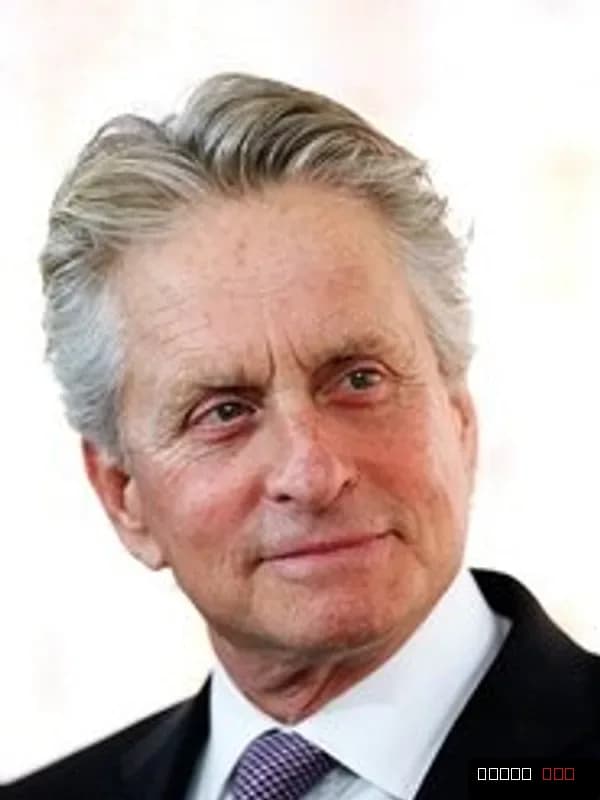
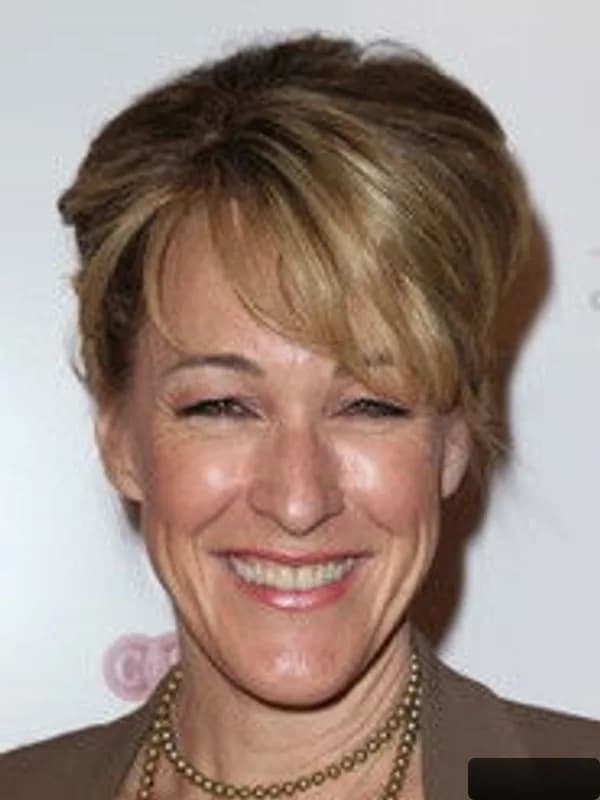
Casting Michael Douglas in the lead role was a smart piece of counter-programming. Douglas, by 2007, had spent years playing alpha males and antagonists; here, he's asked to portray someone vulnerable, delusional, and ultimately tragic. Evan Rachel Wood, then in her early twenties and fresh off Thirteen and The Omen remake, brings a weariness to Miranda that feels earned rather than performative. The supporting cast—including Willis Burks II, Kathleen Wilhoite, and a young Ashley Greene—fills out the world with specificity and warmth.
The film doesn't appear to have made significant noise at the box office or major awards ceremonies, but it found its audience among those hunting for something different. Movie OTT tracks where films like this end up in the streaming ecosystem, and King of California's journey from Sundance curiosity to on-demand fixture is typical of the mid-2000s indie wave.
What makes King of California stand out
What's striking about King of California is how it refuses to mock its protagonist. Charlie isn't played for laughs—he's played as a man whose mental illness has given him both a mission and a kind of freedom. He's not "crazy" in the way Hollywood usually portrays mental illness; he's someone whose brain works differently, who sees patterns others don't, and who can't stop chasing them even when he should.
Douglas delivers a performance that's genuinely moving. Watch the scene where Charlie and Miranda are digging in the Costco parking lot at night—he's not hamming it up, he's not winking at the camera. He's just a man absolutely convinced he's on the verge of something life-changing. The tragedy is that Miranda knows better. She knows her father's been through this before. She knows the treasure probably isn't there. But she also knows that stopping him might break something inside him that's already fragile.
Evan Rachel Wood's performance is the real anchor, though. She's not just playing the exasperated daughter; she's playing someone who loves her father and is simultaneously drowning under the weight of his illness. That contradiction—that it's possible to love someone deeply while also resenting them, fearing them, wanting to escape them—is what gives the film its emotional core. It's the kind of nuance that doesn't always make it into mainstream cinema. The IMDb rating of 6.5/10 suggests the film's modest but loyal following; it's not a crowd-pleaser, but it's exactly what it needs to be for the people it reaches.
How to stream King of California online
If you're ready to watch King of California, you can currently stream it on Prime Video. The film's 93-minute runtime makes it an easy fit for a weeknight watch, though don't expect it to be background noise—this one demands your attention. Check the "Where to Watch" widget at the top of this page for real-time availability across platforms, since streaming rights shift constantly. Movie OTT keeps that information updated so you don't have to hunt across three different apps to figure out where it's actually available.
Frequently asked questions
Q: Who directed King of California?
Mike Cahill wrote and directed King of California as his feature film debut. The film premiered at the Sundance Film Festival in January 2007 before its limited theatrical release later that year.
Q: Is King of California based on a true story?
No, King of California is an original screenplay written by Mike Cahill. While the premise of a mentally ill man searching for buried treasure sounds like it could be ripped from headlines, it's a fictional exploration of family, mental illness, and obsession.
Q: What's the runtime of King of California?
The film runs 93 minutes, making it a lean, focused piece that doesn't overstay its welcome.
Q: Where can I watch King of California?
King of California is currently available to stream on Prime Video. Availability varies by region and can change, so check your local streaming options or use the Where to Watch widget on this page.
Q: What's the IMDb rating for King of California?
The film holds a 6.5/10 rating on IMDb, reflecting its status as a thoughtful but divisive indie drama that resonates strongly with some viewers while leaving others cold.
Final thoughts on King of California
King of California isn't a film for everyone—and it doesn't pretend to be. It's deliberately paced, emotionally complicated, and skeptical of easy answers. But if you're willing to sit with a story about the gap between love and understanding, between hope and delusion, it's worth your time. Douglas and Wood create something genuinely moving here, and Cahill proves himself a filmmaker worth watching. Don't expect treasure. Expect something more valuable: a honest look at how we care for the people we love when their reality doesn't match ours.