






The story of Wall Street and its exploration of ambition gone wrong
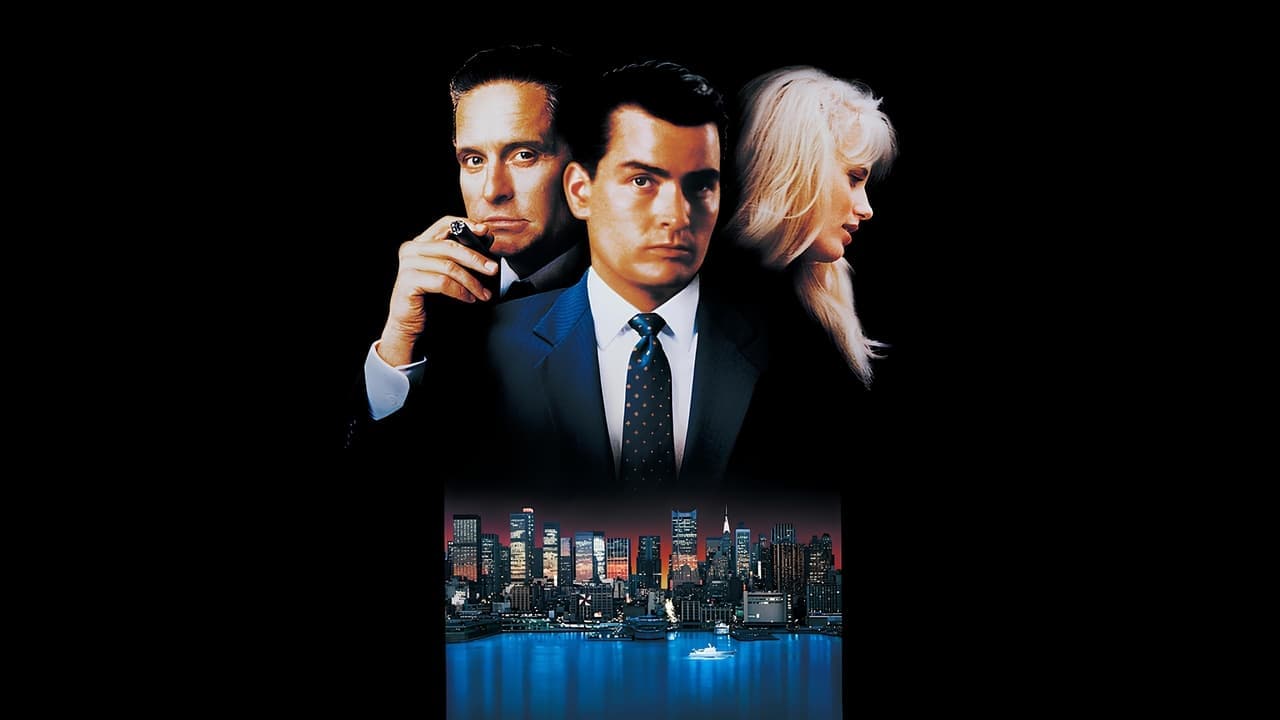
Wall Street tells the story of Bud Fox, a young and impatient stockbroker willing to do almost anything to break into the upper echelon of New York finance. When he catches the attention of Gordon Gekko—a wealthy, unscrupulous corporate raider—Fox sees his ticket to the top. What unfolds is a cautionary tale about the seductive power of money, the moral compromises we make in pursuit of success, and the price we pay when we trade our integrity for a bigger paycheck. Set against the backdrop of the booming 1980s stock market, the film captures a specific moment in American capitalism when the rules seemed to exist only to be broken. The narrative doesn't shy away from showing how easily a naive but talented young man can be corrupted by proximity to wealth and power.
Behind the making of Wall Street and its cultural impact
Director Oliver Stone crafted Wall Street during the height of the 1980s market boom—a timing that gave the film an almost documentary urgency. The screenplay, co-written by Stone and Stanley Weiser, drew inspiration from real financial scandals and insider trading cases that dominated headlines at the time. Michael Douglas, fresh off his success in other high-profile roles, embodied Gordon Gekko with a magnetic ruthlessness that earned him an Academy Award for Best Supporting Actor. Charlie Sheen plays Bud Fox with a mixture of hunger and naivety that makes his moral descent genuinely tragic. The supporting cast—including Daryl Hannah as Gekko's protégé and Martin Sheen as Bud's principled father—grounds the film's exploration of competing value systems. Running 126 minutes, the film has the scope and ambition of a major studio production, which 20th Century Fox and Pressman Film delivered with considerable resources. The movie didn't just perform well at the box office; it became a cultural reference point, spawning a 2010 sequel and cementing itself as the definitive film about Wall Street excess. On IMDb, it maintains a solid 7.163/10 rating, reflecting both its critical esteem and its enduring appeal to audiences who keep returning to it decades later.
What makes Wall Street stand out as a masterclass in character-driven drama
Honestly, what's most striking about Wall Street is how it refuses to make Gekko a simple villain. He's seductive, charismatic, and—this is the trap—he makes sense. When he delivers his famous "greed is good" philosophy, you can feel why Bud Fox is drawn into his orbit. That's the genius of the film: it doesn't lecture you about morality. Instead, it shows you the slow erosion of principles, the rationalization of each small compromise, until the protagonist barely recognizes himself. The performances are genuinely excellent—Douglas commands every scene he's in, while Sheen captures the desperation of someone trying to prove himself to a father he's never impressed and a mentor he can't quite trust. Stone's direction maintains a frenetic energy that mirrors the chaos of the trading floor without ever becoming incoherent. I keep coming back to the scene where Bud makes his first major inside trade, the way the camera catches his face—that moment of crossing the line, that realization that he's committed himself to something he can't undo. It's a small beat, but it's where the film's moral core lives. The pacing does stretch in places (some viewers note it overstays its welcome slightly), but that deliberate rhythm gives the story room to breathe and lets character moments land with weight.
Where to stream Wall Street online
Wall Street is available on major OTT services, and you can check the where-to-watch widget at the top of this page for current availability on your preferred platform. Movie OTT tracks streaming availability across multiple services, making it easy to find where this 1987 classic is currently streaming. Since licensing agreements shift regularly, the widget provides real-time updates so you don't waste time hunting. Whether you're a longtime fan revisiting the film or discovering it for the first time, you'll want to verify the exact platform before you start your viewing session.
Frequently asked questions
Q: Who directed Wall Street and what was his vision for the film?
Oliver Stone directed and co-wrote Wall Street, bringing his signature style of sharp social commentary and dynamic visual storytelling to the subject of financial corruption. Stone was interested in exploring the moral compromises inherent in the pursuit of wealth during the 1980s boom, making the film both a thriller and a critique of unchecked capitalism.
Q: Is Wall Street based on a true story?
While Wall Street isn't based on a single true story, it was inspired by real financial scandals and insider trading cases that dominated the 1980s. Stone and co-writer Stanley Weiser drew from various high-profile cases to create a composite narrative that captures the spirit of Wall Street excess during that era.
Q: What is the runtime of Wall Street?
Wall Street runs for 126 minutes, giving Stone plenty of time to develop his characters and explore the moral complexities of his story without rushing the narrative.
Q: How many films are in the Wall Street franchise?
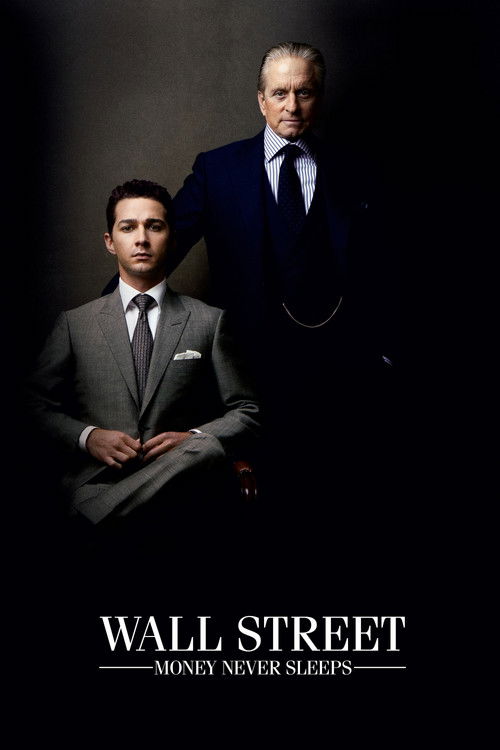
Wall Street is part of an established collection that includes the 2010 sequel Wall Street: Money Never Sleeps. The original 1987 film remains the most acclaimed and widely referenced entry in the franchise.
Q: What awards did Wall Street win?
Michael Douglas won the Academy Award for Best Supporting Actor for his role as Gordon Gekko, one of cinema's most iconic villains. The film received multiple nominations and has been recognized as a landmark achievement in crime drama filmmaking.
Final thoughts on Wall Street
Wall Street endures because it taps into something fundamental about American ambition—the way success can seduce us, how proximity to power warps our judgment, and what we're willing to sacrifice for money. It's not a perfect film, and it doesn't pretend to offer easy answers. But it's a necessary one, a film that refuses to look away from human weakness. Nearly four decades later, the tagline "Every dream has a price" still hits hard. If you haven't seen it, or if it's been years since your last viewing, now's the time to revisit this essential drama.