The story of The Band Wagon
The Band Wagon opens with a washed-up Hollywood hoofer named Tony Hunter—played by Fred Astaire—stepping off a train in New York, hoping Broadway will resurrect a career that's gone stale in movies. He's got charm, he's got moves, and he's got the kind of infectious energy that made him a star in the first place. But the moment he signs on to star in a new production, everything spirals into chaos. The show's director, the theatrically flamboyant Cordova (Jack Buchanan), has a vision: he wants to reimagine Faust as some kind of pretentious, avant-garde spectacle. Enter Gabrielle Gerard (Cyd Charisse), a prima ballerina with her own artistic ego, and suddenly Tony's simple comeback vehicle has become a nightmare of clashing visions, artistic pretension, and the kind of theatrical disaster that makes you squirm in your seat—though, as it turns out, in the best possible way.
Behind the making of The Band Wagon
Director Vincente Minnelli brought The Band Wagon to life in 1953 for Metro-Goldwyn-Mayer, assembling one of the most formidable musical ensembles ever captured on film. Fred Astaire was already a legend by this point—his partnership with Ginger Rogers had defined an era—but casting him opposite the classically trained Cyd Charisse created a dynamic that felt both fresh and electric. The supporting cast included Oscar Levant, the acerbic pianist and wit, and Jack Buchanan, whose over-the-top directorial persona became the film's comedic anchor. Minnelli's track record spoke for itself: he'd already proven his mastery of the Hollywood musical form, and he brought that same meticulous eye to color, composition, and choreography here.
What's fascinating is that The Band Wagon initially disappointed at the box office. MGM had expected a smash, and instead audiences stayed away. The studio's confidence in the picture wavered, and for a moment it seemed like another musical gamble gone wrong. But something shifted over time—critics and film historians began reassessing the work, recognizing it not as a failure but as a masterpiece. Today, it's spoken of in the same breath as An American in Paris (1951) and Singin' in the Rain (1952) as one of the greatest musicals ever made. The IMDb rating of 7.2 reflects that critical rehabilitation, though honestly, that number doesn't quite capture what makes this film special.
What makes The Band Wagon stand out
What's striking about The Band Wagon is how it works on two levels simultaneously. On the surface, it's a backstage comedy about artistic pretension meeting commercial reality—Cordova's vision of Faust is so absurdly overwrought that it becomes genuinely funny, especially in the musical number where everyone's dressed as babies with guns (yes, really). But beneath that satire sits something more thoughtful: a meditation on what it means to be an artist past your prime, to still hunger for relevance, and to discover that maybe—just maybe—the old ways of doing things still have power.
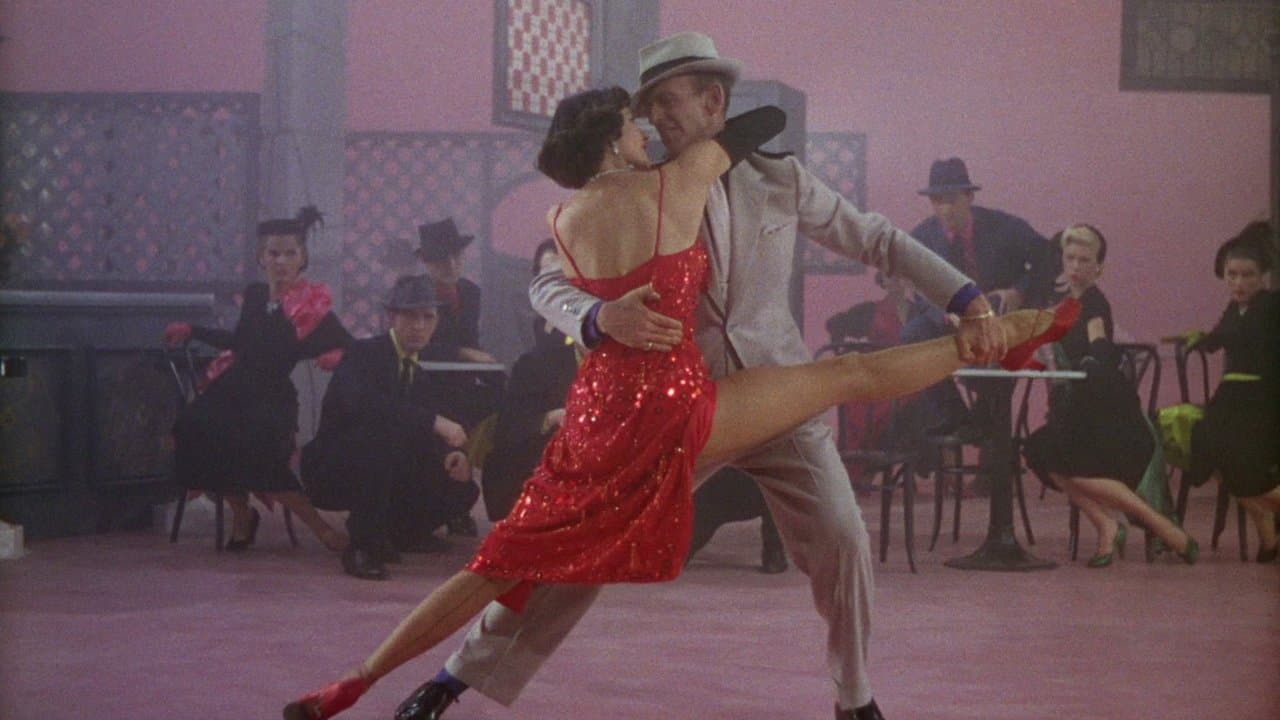
Astaire's performance is the emotional core here. He brings a vulnerability that's easy to overlook when you're dazzled by his dancing, but it's there in every scene—a man terrified of becoming irrelevant, clinging to his craft because it's all he knows. When he dances, there's an urgency beneath the effortless grace. Charisse, for her part, isn't just a love interest; she's an equal, a dancer of genuine technical mastery who can match Astaire step for step. Their famous number together—the one where they dance through the streets of New York in evening clothes—captures something about romantic possibility that's genuinely moving. Oscar Levant provides the comic relief, but he's not just a sidekick; his piano playing and sardonic observations ground the film in a kind of reality that keeps it from floating away into pure fantasy.
Minelli's direction shows remarkable restraint in places where a lesser director might've gone overboard. The Faust sequences are intentionally ridiculous—that's the point—but they're ridiculous with purpose. The film's satire of artistic pretension never feels mean-spirited; instead, it suggests that sometimes the most honest art comes from sincerity, not self-consciousness. It's a message that probably stung a few avant-garde types in 1953, and it doesn't feel dated now.
Where to stream The Band Wagon online
The Band Wagon is available on major OTT services, and if you're looking to track down exactly where it's streaming in your region, Movie OTT maintains up-to-date availability across platforms. Since streaming rights shift regularly, checking the "Where to Watch" widget at the top of this page will show you current options—whether that's a subscription service you already have or a rental platform. This is one of those films worth seeking out, because experiencing it on a decent screen with good sound makes a real difference. The musical numbers deserve to breathe.
Frequently asked questions
Q: Who directed The Band Wagon?
Vincente Minnelli directed the film in 1953. Minnelli was one of the greatest musical directors in Hollywood history, and The Band Wagon showcases his mastery of color, choreography, and emotional storytelling within the musical genre.
Q: Is The Band Wagon based on a true story?
No, it's not based on a true story, though the plot—about a faded star hoping to revive his career on Broadway—was inspired by real dynamics in the theater world. The film uses that setup as a springboard for satire and romance rather than biography.
Q: What's the runtime of The Band Wagon?
The film runs 112 minutes, which gives Minnelli plenty of time to develop both the comedy and the musical sequences without feeling rushed.
Q: Why was The Band Wagon initially a box office disappointment?
Audiences in 1953 didn't immediately embrace it, possibly because the satire of theatrical pretension felt too insider-focused, or because the film's charms are subtler than audiences expected from a big MGM musical. Time has been kinder to it than opening weekend receipts were.
Q: What's the most famous musical number in The Band Wagon?
The "Dancing in the Streets" sequence featuring Astaire and Charisse is iconic—they perform an elegant pas de deux through New York City in evening wear, and it's become one of the most celebrated dance numbers in film history.
Final thoughts on The Band Wagon
The Band Wagon rewards patience. It's not a film that grabs you by the throat in the first five minutes and won't let go. Instead, it sneaks up on you—the humor lands, the romance builds, and by the time you reach the climax, you're invested in whether Tony Hunter can pull off his comeback. It's a film about second chances, about the courage it takes to be vulnerable in front of an audience, and about how sometimes the most beautiful things come from the collision of different artistic visions. If you love classic musicals, this one's essential. If you've never seen a 1953 MGM musical before, this is the perfect entry point.