



The story of Copacabana: Love and ambition in 1948 Manhattan
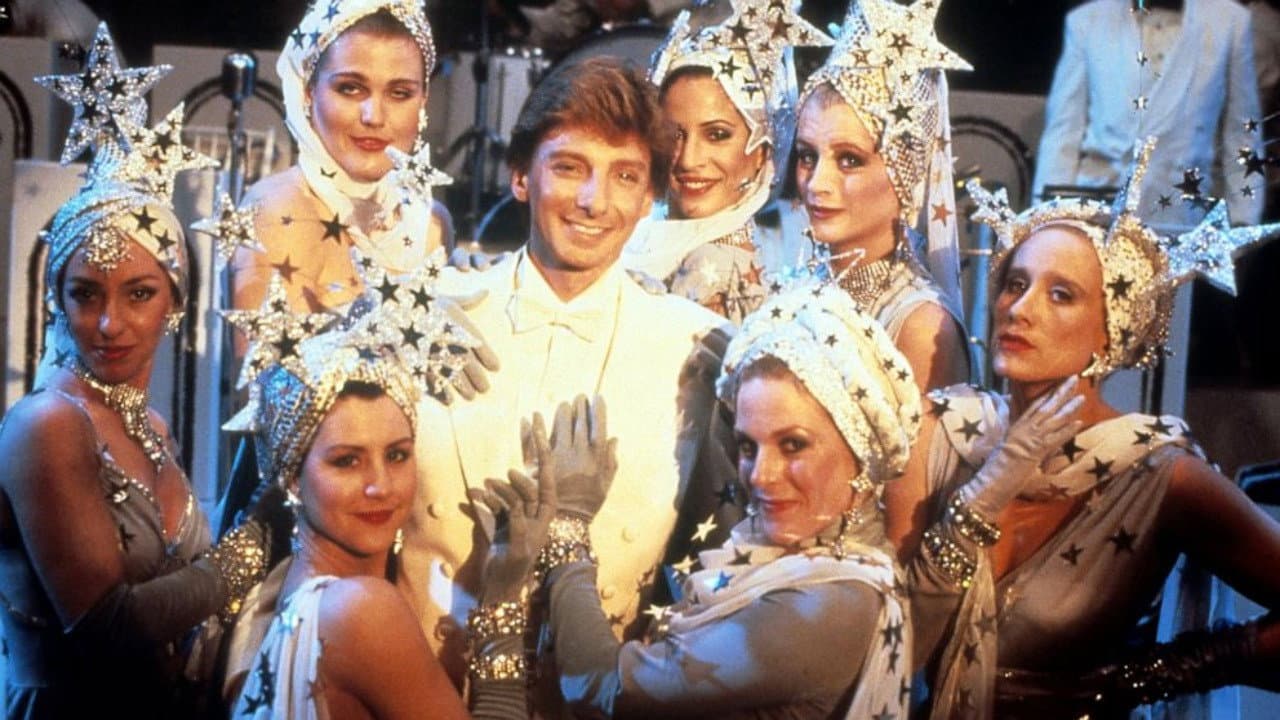
Copacabana pulls you into the smoky, neon-soaked world of New York's most glamorous nightclub in 1948, where dreams collide with hard reality. Tony, an aspiring songwriter, works as a bar pianist when he meets Lola, an equally ambitious singer with stars in her eyes. The two share an instant connection — that spark of chemistry that makes you believe they're meant for something bigger together. But the Copacabana nightclub becomes the stage for their separate ascents, and what starts as a love story takes a sharp turn when Lola gets swept away to Havana to perform in a splashy nightclub act. There, she encounters Rico, a suave and dangerous gangster who owns the club, and suddenly the fairy tale gets complicated. It's a story about ambition eating its own, about the seductive pull of stardom, and what happens when you choose the wrong person to build your dreams with.
Behind the making of Copacabana: Barry Manilow's unexpected pivot to acting
Copacabana arrived in 1985 as something of a curiosity — a made-for-television musical based on Barry Manilow's 1978 chart hit of the same name. Manilow himself takes the lead role as Tony, marking his acting debut, which was no small gamble for a performer already established as a platinum-selling recording artist and concert draw. The film was produced by Dick Clark Productions and Stiletto Entertainment, two outfits with deep roots in television variety and entertainment production. Manilow's casting raised eyebrows at the time — Variety reported that the move represented a deliberate attempt to capitalize on the song's popularity while expanding the artist's brand into dramatic territory. The 95-minute runtime keeps the film brisk and focused, never overstaying its welcome. Annette O'Toole, who'd go on to a long television and film career, plays Lola and carries much of the emotional weight as the ambitious singer caught between love and ambition. The TV-movie format meant the production had constraints that theatrical releases didn't face, but it also gave the film a certain intimacy and directness that works in its favor.
What makes Copacabana stand out: The performances and the era
What's striking is how the film doesn't pretend to be something it isn't — it's a TV musical with a modest budget and theatrical ambitions, and there's something refreshingly honest about that. Manilow's performance works precisely because he doesn't disappear into some method-acting cocoon; he's present, earnest, and willing to be vulnerable as Tony watches his relationship crumble. O'Toole brings real pathos to Lola's journey, playing her not as a villain or a victim but as someone genuinely seduced by the promise of fame — which, let's be honest, is far more complicated and human than either of those extremes. The film captures something true about the 1948 nightclub scene: the glamour was real, but so was the danger lurking underneath, the mob connections that ran through every major venue, the way women in particular were treated as commodities in the entertainment ecosystem. The music itself — Manilow's own compositions and the iconic title track — serves as emotional punctuation rather than constant interruption. It's not a jukebox musical where every other scene breaks into song; instead, the music arrives when the story needs it, which is a smarter structural choice than you'd expect from a TV production. The IMDb rating of 7.2/10 reflects a film that's earned genuine affection from viewers who appreciate its earnestness and its willingness to end on a bittersweet note rather than a tidy Hollywood bow.
Where to stream Copacabana online
Finding Copacabana is easier than it used to be, thanks to the current streaming landscape. The film is available on major OTT services, and Movie OTT tracks exactly where it's streaming right now — no need to bounce between five different apps wondering if it's still there. Since streaming rights shift seasonally, checking the "Where to Watch" widget at the top of this page gives you real-time availability across platforms. If you're a Barry Manilow completist or just curious about his acting debut, the streaming availability means there's no excuse not to give it a shot. What used to require hunting through cable schedules or specialty video stores is now a click or two away.
Frequently asked questions
Q: Is Copacabana based on a true story?
No, it's not based on a true story, though it draws inspiration from real elements of 1948 Manhattan nightlife and the mob's involvement in major venues. The film is adapted from Barry Manilow's 1978 song of the same name, which itself tells a fictional narrative about ambition and romance.
Q: Who directed Copacabana?
The film was directed by James Frawley, a television director with extensive credits in variety and musical television production. His background in TV gave him the right instincts for pacing and performance in the made-for-television format.
Q: Is this Barry Manilow's only acting role?
Copacabana was Manilow's acting debut in 1985, and while he's made occasional television appearances since, he hasn't pursued a sustained acting career. His focus has remained on music and live performance, where he's achieved legendary status.
Q: How long is Copacabana?
The film runs 95 minutes, which is a tight runtime that keeps the story moving without feeling rushed. It's the perfect length for a TV musical — substantial enough to develop real character arcs, but not so long that the pacing sags.
Q: What's the tone of the ending?
Without spoiling specifics, Copacabana ends on a bittersweet note rather than a fairy-tale resolution. It's willing to let its characters face real consequences, which gives the film more weight than it might otherwise carry.
Final thoughts on Copacabana: A curious and charming artifact
Copacabana isn't a perfect film, but it's a genuinely interesting one — a window into a specific moment when a major pop star took a real creative risk by stepping in front of the camera. It works as both a period romance and as a showcase for Manilow's music, and it doesn't apologize for being a TV movie. If you're looking for something that's equal parts nostalgia, musical romance, and '80s curiosity, this is worth your time. The earnestness is infectious, the performances are solid, and there's a melancholy to the whole enterprise that lingers after the credits roll.