


Unveiling the World of Lady Oscar: A Tale of Duty and Revolution
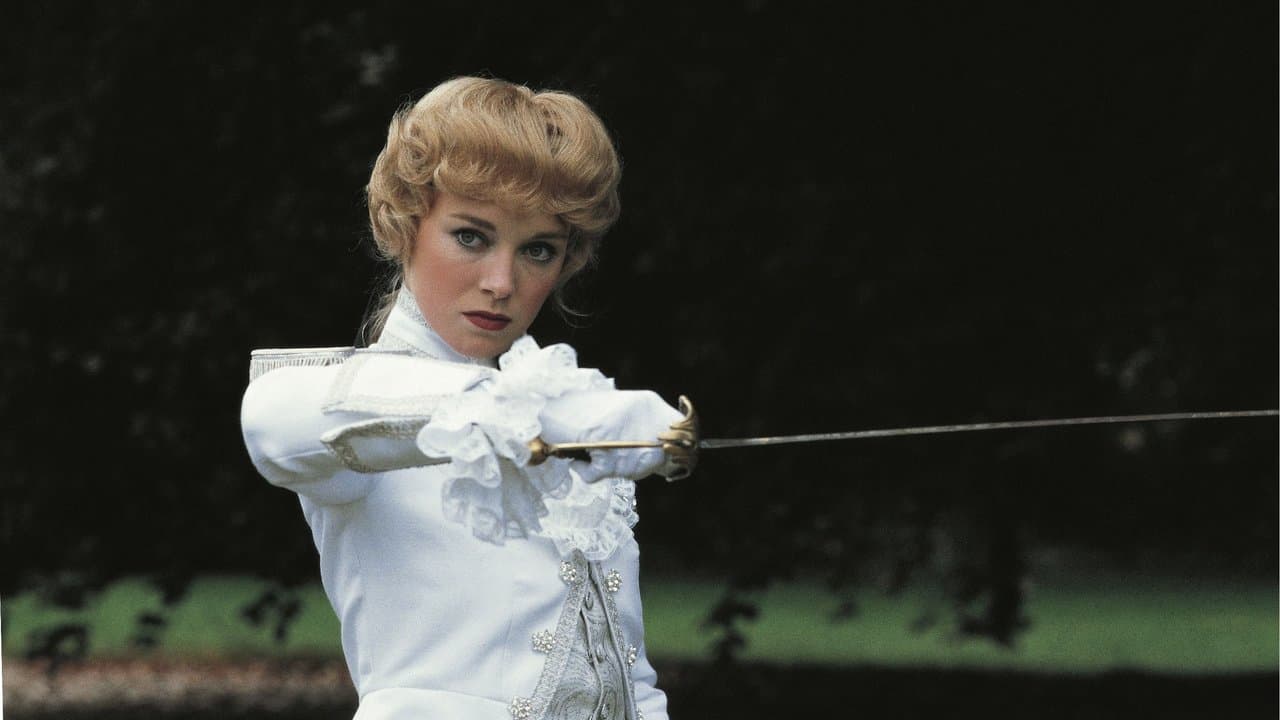
"Lady Oscar," the 1979 romantic historical drama, invites viewers into the turbulent world of 18th-century France, just as the ancien régime begins to crumble. Its official tagline, "The glamour, the strife, the intrigue of 18th century France!" perfectly encapsulates the dramatic canvas on which this story unfolds. We meet Oscar François de Jarjayes, a young woman raised as a boy by her aristocratic father, a necessity born from his lack of male heirs. This unusual upbringing sees her rise to become the esteemed captain of the Royal Guards, tasked with protecting none other than King Louis XVI and the flamboyant Marie Antoinette at the opulent Palace of Versailles. Her life, though privileged and noble, is far from simple. Soon, Oscar's eyes are opened to the stark realities faced by the impoverished French populace, a stark contrast to the lavish court life she’s known. A brewing storm. This awakening forces her to confront profound questions of loyalty, duty, and love, setting her on a collision course with the impending French Revolution.
Behind the Grand Production and Enduring Legacy of Lady Oscar
The cinematic journey of "Lady Oscar" began as an ambitious adaptation of Riyoko Ikeda's hugely influential 1972 Japanese manga, The Rose of Versailles. Bringing this beloved historical epic to the big screen required a distinctive vision, one found in the acclaimed French director Jacques Demy, known for his visually rich and often melancholic musicals like The Umbrellas of Cherbourg. Demy, alongside co-writer Patricia Louisianna Knop, meticulously crafted the screenplay, aiming to translate the manga's grandeur and emotional depth into live-action. A challenging task, no doubt. The film's atmosphere was further enhanced by the evocative musical score from Michel Legrand, Demy's frequent and celebrated collaborator, whose compositions always add layers of poignancy. Starring in the pivotal role of Oscar François de Jarjayes was Catriona MacColl, an actress tasked with embodying the complex duality of a woman living as a man amidst the strictures of 18th-century French aristocracy. The production itself was a significant international collaboration, involving Japanese powerhouses like TOHO, Nippon Television Network Corporation, Shiseido Co. Ltd., and Kitty Films, alongside French studio Ciné-Tamaris. This blend of East and West, manga and French New Wave sensibilities, gave "Lady Oscar" a truly unique identity. Released in 1979, the film runs for a substantial 124 minutes, allowing ample time to explore its intricate plot and character arcs. While not a universally lauded masterpiece, its IMDb rating stands at a respectable 5.662 out of 10, indicating a film that, for many, offers an intriguing, if imperfect, cinematic experience. It isn't a film for everyone, but its cult following persists.
The Enduring Appeal and Thematic Richness of Lady Oscar
What makes "Lady Oscar" a film that continues to spark discussion, even decades after its release? I keep coming back to its audacious exploration of gender identity and societal expectations. Oscar's upbringing forces her into a male role, yet her inner life is a constant negotiation of her true self, her assigned duty, and her burgeoning romantic feelings—a classic Demy conflict, if you ask me. This isn't just a historical drama; it's a poignant character study wrapped in the opulent, yet increasingly volatile, backdrop of pre-revolutionary France. Catriona MacColl's performance as Oscar is central to this appeal. She doesn't just play a woman in men's clothing; she embodies the emotional weight of Oscar's predicament—her stoicism, her vulnerability, her quiet defiance. The film deftly navigates themes of loyalty versus personal conviction, particularly as Oscar witnesses the suffering of the common people. Her journey from privileged royal guard to a figure increasingly sympathetic to the revolutionary cause is compelling, if sometimes unevenly paced. Honestly, the film’s visual splendor, a hallmark of Demy's work, provides a stunning contrast to the gritty realities it eventually confronts. The costumes, the sets, the sheer spectacle of Versailles — it’s all there, beautifully rendered. While some critics at the time found its pacing slow or its melodrama a bit much, it's undeniable that "Lady Oscar" possesses a unique charm. As one contemporary review, perhaps from a French film journal like Cahiers du Cinéma, might have put it, "Demy's Lady Oscar is a fascinating, if flawed, attempt to meld the operatic scale of its manga source with a distinctly European romanticism, creating a spectacle that lingers long after the credits roll." Big questions, indeed.
Streaming Lady Oscar: Your Guide to Online Availability
For those eager to experience the unique historical drama of "Lady Oscar," finding where to watch it online is simpler than you might think. This compelling film is currently available on major OTT services, making it accessible to a wide audience across various streaming platforms. We understand that keeping track of which movie is on which service can be a bit of a headache, but Movie OTT simplifies this by aggregating all the information you need. You'll find a comprehensive list of every platform where "Lady Oscar" is currently streaming right at the top of this very page, in our "Where to Watch" widget. Whether you prefer subscription services or video-on-demand rentals, chances are you'll find an option that suits your viewing habits. Our goal at Movie OTT is to ensure you spend less time searching and more time enjoying great cinema. So, if you're ready to delve into the intrigue of 18th-century France, your streaming options are readily available.
Frequently asked questions
Q: Who directed Lady Oscar?
"Lady Oscar" was directed by the acclaimed French filmmaker Jacques Demy, known for his distinctive visual style and works like The Umbrellas of Cherbourg. He brought a unique European sensibility to this Japanese manga adaptation.
Q: Is Lady Oscar based on a book or manga?
Yes, "Lady Oscar" is an adaptation of the popular 1972 Japanese manga series The Rose of Versailles, created by Riyoko Ikeda. The film endeavors to capture the manga's epic scope and dramatic narrative.
Q: What is Lady Oscar's IMDb rating?
The 1979 film "Lady Oscar" holds an IMDb rating of 5.662 out of 10. This rating reflects its reception among a broad audience, placing it as a film with a devoted, if niche, following.
Q: Where can I stream Lady Oscar?
"Lady Oscar" is currently available on major OTT services. For the most up-to-date and comprehensive list of platforms, you can always check the "Where to Watch" widget at the top of this Movie OTT page.
Q: What is the runtime of Lady Oscar?
The film "Lady Oscar" has a runtime of 124 minutes. This substantial length allows for a detailed exploration of its historical setting, complex characters, and the unfolding drama of the French Revolution.
Final Thoughts on Lady Oscar: A Revolutionary Romance
Ultimately, "Lady Oscar" offers a viewing experience unlike many other historical dramas. It’s a film that, despite its quirks and a somewhat modest IMDb rating, possesses a compelling vision and a truly memorable central character. If you're drawn to stories of identity, duty, and societal upheaval—especially those set against the backdrop of the French Revolution—then this film is well worth your time. It’s a bold adaptation, a fascinating blend of Eastern source material and Western cinematic artistry. Don't expect a pristine historical account; do expect a visually striking, emotionally charged narrative that challenges conventions. For fans of classic European cinema or those curious about manga adaptations from an earlier era, "Lady Oscar" provides a unique and thought-provoking journey. We think you'll find it a surprisingly rich experience.