



The story of Madame Curie and the race to discover radium
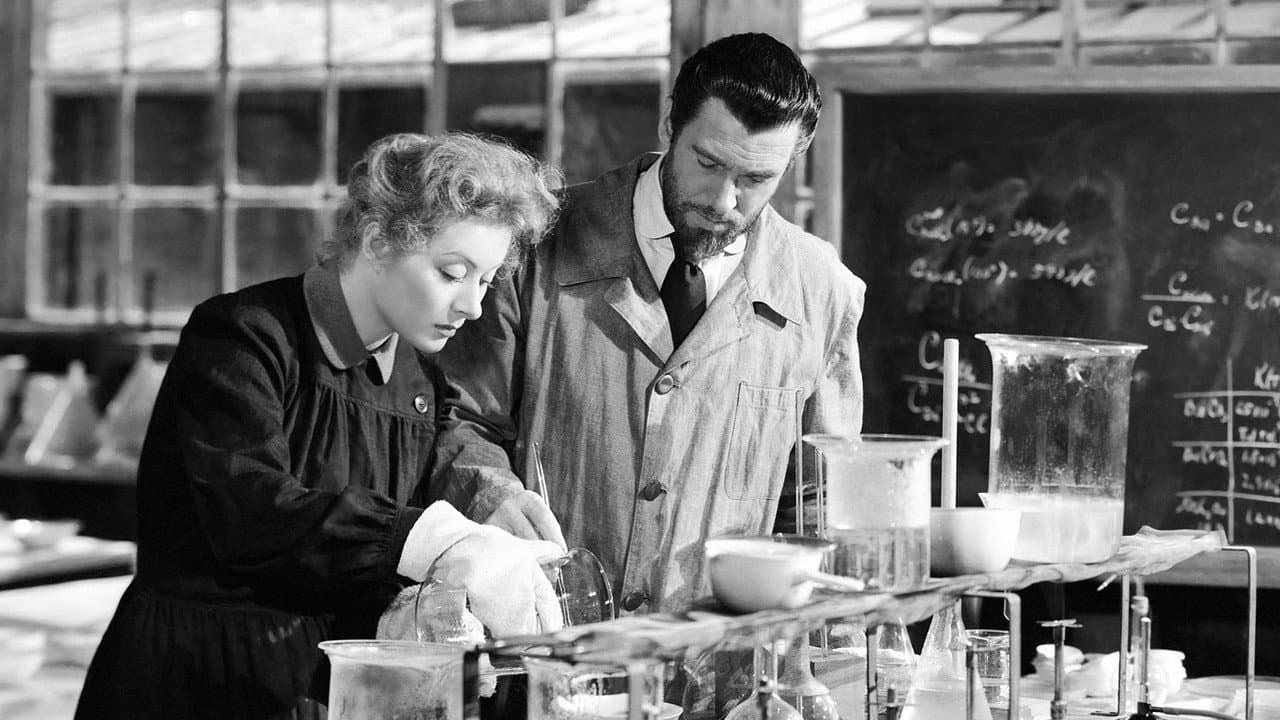
Madame Curie tells the story of Marie, a brilliant but struggling physics student navigating the male-dominated world of 1890s Paris. Fresh from her studies at the Sorbonne, she's offered a research placement in Pierre Curie's laboratory—a break that will change everything. What starts as a professional partnership becomes something far deeper as the two scientists fall in love and embark on an obsessive quest to isolate a mysterious new element hidden within a peculiar type of rock. The film captures the exhilaration and the cost of their work: the long nights, the failed experiments, the skepticism from peers, and the physical toll of handling radioactive materials (though the film, being 1943, doesn't dwell on the danger). It's a story about ambition, romance, and the price of discovery.
Behind the making of Madame Curie
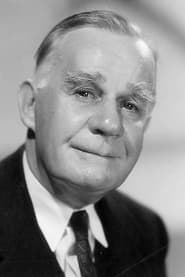
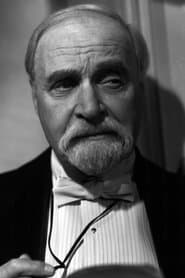
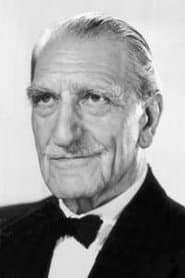
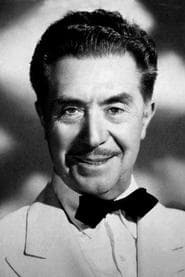
Director Mervyn LeRoy brought Madame Curie to the screen in 1943 as a prestige production for Metro-Goldwyn-Mayer, the studio at its absolute peak. The screenplay came from Paul Osborn and Paul H. Rameau, with uncredited work by Aldous Huxley, adapting Ève Curie's biography of her mother with a distinctly Hollywood sensibility. Greer Garson and Walter Pidgeon—fresh off their Oscar-winning success together in Mrs. Miniver (1942)—were reunited for this project, their chemistry already proven box-office gold. The supporting cast included Robert Walker, Henry Travers, and Albert Bassermann, lending weight to every scene. MGM spared no expense on production design, costumes, and the meticulous recreation of Parisian laboratories and salons. The film's 124-minute runtime allowed for a leisurely, almost operatic pacing that feels distinctly of its era. It received a respectable 7.24/10 rating on IMDb and, like many prestige dramas of the period, garnered recognition during awards season—a testament to the studio's commitment to the material.
Why Madame Curie stands out as a wartime prestige drama
What's striking about Madame Curie is how it manages to be both deeply romantic and genuinely interested in the work itself. Garson brings an understated intelligence to Marie, resisting the temptation to play her as merely a supportive spouse—though the film, admittedly, doesn't shy away from the love story as its emotional anchor. Pidgeon's Pierre is warm and collaborative rather than domineering, which was somewhat progressive for 1943. The performances anchor what could've been a dry procedural; instead, we watch two people who can't quite believe their luck in finding both love and a shared intellectual mission. The film doesn't shy away from depicting failure either. There's a genuinely tense sequence where their experiments seem to be leading nowhere, where the rock yields nothing but disappointment and financial strain. That's when the stakes feel real—not just romantic, but professional and personal. Garson's face in those moments, the way her confidence flickers, sells the doubt. The thing nobody mentions is that this is also a film about women in science, made during wartime when women were entering the workforce in unprecedented numbers. Marie's initial skepticism from male colleagues, her determination to be taken seriously, her refusal to be sidelined—these weren't abstract themes in 1943. They mattered.
Where to stream Madame Curie online
Madame Curie is currently available on major OTT services, and the easiest way to track down exactly where it's streaming in your region is to check Movie OTT's Where to Watch widget at the top of this page. Streaming rights shift frequently, so what's available today might move tomorrow—Movie OTT keeps that information current so you don't have to hunt across five different apps. The film's 124-minute runtime and 1943 production values mean it's worth watching on a platform where you can give it proper attention, not squeezed into a phone screen. If you're a fan of classic Hollywood drama, historical biopics, or the pairing of Garson and Pidgeon, it's worth checking availability on your preferred service.
Frequently asked questions
Q: Is Madame Curie based on a true story?
Yes, the film is adapted from Ève Curie's biography of her mother, Marie Curie. While it follows the essential facts of Marie and Pierre's lives and their discovery of radium, it takes considerable Hollywood liberties with dialogue, pacing, and emotional beats—as biopics of the era typically did.
Q: Who directed Madame Curie?
Mervyn LeRoy directed the film for MGM, with a screenplay by Paul Osborn, Paul H. Rameau, and uncredited work by novelist Aldous Huxley. LeRoy was known for his work on prestige dramas and social issue films.
Q: What's the connection between Madame Curie and Mrs. Miniver?
Both films star Greer Garson and Walter Pidgeon, who won the Academy Award for Best Picture for Mrs. Miniver in 1943. Their chemistry in that film was so successful that MGM reunited them for Madame Curie, using the pairing as a selling point—the tagline even promised "Mr. and Mrs. Miniver together again."
Q: How long is Madame Curie?
The film runs 124 minutes, which was typical for prestige dramas of the 1940s. It allows for a measured pace that gives weight to both the scientific work and the personal relationships.
Q: Why should I watch Madame Curie if I already know the history?
Because it's a showcase for two excellent actors and a snapshot of how Hollywood in 1943 understood—and romanticized—the life of a scientist. It's as much about the era that made it as it is about the era it depicts.
Final thoughts on Madame Curie
Madame Curie won't revolutionize how you think about historical drama—it's too bound by its moment, too invested in softening Marie's edges for 1940s audiences. But it's genuinely moving, beautifully made, and anchored by performances that feel lived-in rather than performed. If you love classic Hollywood, prestige biopics, or the particular chemistry between Garson and Pidgeon, it's essential viewing. And if you're curious about how cinema once told the stories of women in science—with romance as the frame but ambition as the heart—this is a fascinating artifact.