


What Last Mankind is about — and why it hits differently
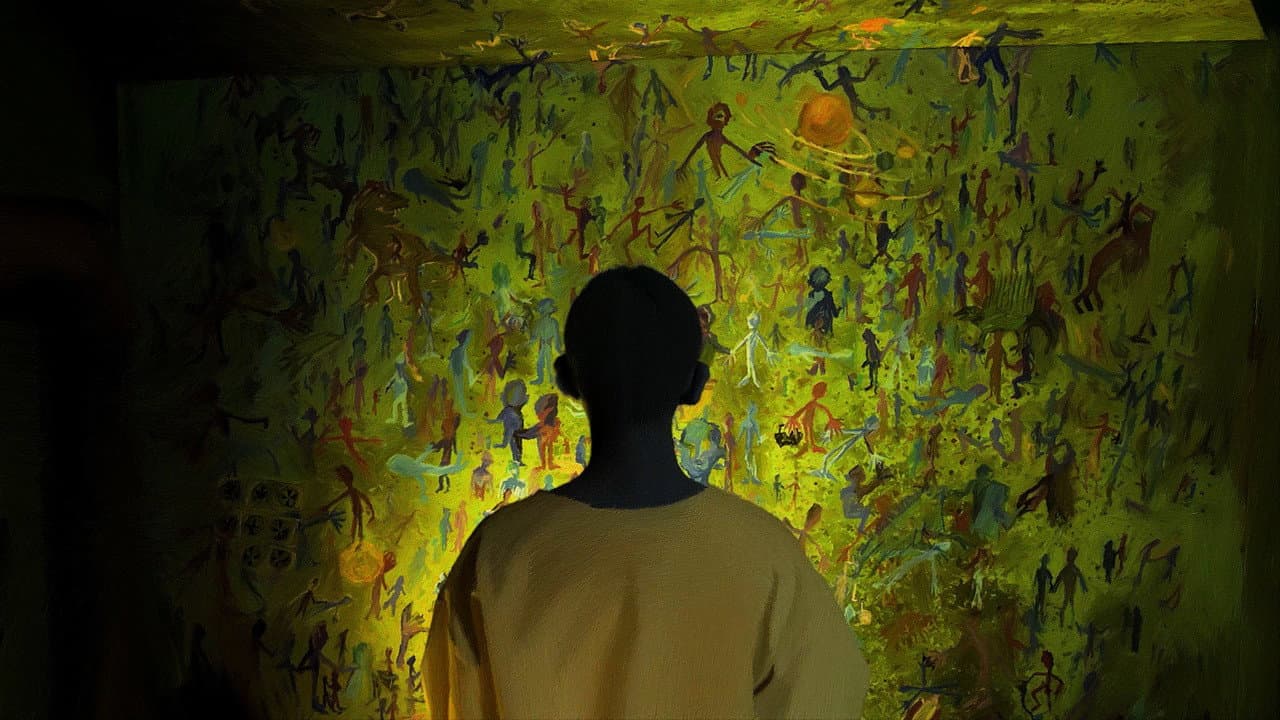
Last Mankind, the 2026 science fiction drama from South Korea, opens in the wreckage of a world choked to death by its own air. Bioengineer Dae-seung has survived inside a sealed bunker — not comfortably, not peacefully, but with grim purpose. Alongside him is Sina, a subject he subjects to increasingly brutal experiments in his drive to engineer a human body capable of surviving outside. It's a cold, claustrophobic premise, and director Huh Gun doesn't rush to soften it. Then a stranger named Taeo arrives at the bunker door, carrying a claim that shatters everything Dae-seung thought he knew: somewhere beyond the poisoned air, a village of survivors still exists. That single knock changes the entire moral geometry of the film.
How Last Mankind came together — production, cast, and festival debut
Last Mankind is a production of the Korea National University of Arts, one of South Korea's most prestigious arts institutions, and that lineage shows in the film's craft-forward sensibility. Student and emerging-filmmaker productions out of K-Arts have a track record of punching well above their budget weight — this is the same institutional ecosystem that has trained some of the country's most ambitious voices across film, theater, and visual art. Running at a tight 90 minutes, Last Mankind doesn't waste a frame on excess.
Directed by Huh Gun, the film had its world premiere at the Bucheon International Fantastic Film Festival on July 5, 2026 — Bucheon (BiFan) being exactly the right venue for a film like this. BiFan has long been the festival home for Korean genre cinema that sits at the edge of the mainstream, and Last Mankind fits that mandate almost too perfectly: it's too intimate for blockbuster positioning, too formally rigorous to be dismissed as niche horror-adjacent fare. The festival premiere gave the film its first real audience, and early word out of Bucheon suggested the kind of quiet, slow-burning reaction that tends to follow films that people need a day or two to fully process.
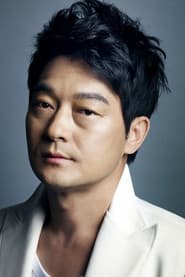
As of this writing, formal box-office figures and major awards nominations haven't been publicly confirmed — the film is genuinely new, and the available published record is still sparse on those specifics. Hard to say if that will change as the film reaches broader streaming audiences, but the BiFan premiere alone signals serious intent. The cast, centered on the dynamic between Dae-seung, Sina, and the interloper Taeo, carries the film's emotional weight across all three genre registers it operates in: science fiction, drama, and fantasy.
Why Last Mankind works — the craft and themes that make it linger
Honestly, the thing nobody mentions often enough about films like this is how much they depend on restraint. Last Mankind earns its tagline — "Lifeless world, what is left to trust?" — not through spectacle but through the slow erosion of certainty. The bunker setting is almost theatrical in its confinement, and Huh Gun uses that limitation as a feature rather than a constraint. When the outside world is invisible, every conversation about it carries the weight of mythology.
What's striking is the way the film frames Dae-seung's experiments not as villainy but as a kind of desperate logic. He isn't cruel for cruelty's sake — he's cruel because he has convinced himself there is no other option. That distinction matters enormously, and it's the kind of moral ambiguity that separates genuinely interesting science fiction from the kind that just uses genre trappings as wallpaper. Sina's position — subject, companion, something harder to name — gives the film its most uncomfortable tension, the kind that doesn't resolve cleanly even after the credits roll.
Taeo's arrival in the second act functions as both plot catalyst and philosophical disruption. A survivor. The film doesn't treat this as triumphant. It treats it as a problem. That choice — refusing the easy emotional beat — is where Last Mankind earns its place alongside the better traditions of Korean genre filmmaking, a tradition that has consistently used speculative premises to ask questions about power, complicity, and what we tell ourselves to keep going. The 90-minute runtime is disciplined in the best sense: not a single scene exists purely for atmosphere.
Where to stream Last Mankind online right now
Last Mankind is currently available on major OTT services, making it accessible to streaming audiences well beyond its Bucheon festival premiere. The Where-to-Watch widget at the top of this page has the full, up-to-date platform breakdown — streaming availability shifts, and that widget reflects real-time data. Movie OTT tracks current streaming availability across platforms so you don't have to chase it down yourself; if Last Mankind moves or adds platforms, that's where you'll see it first. For a film this compact at 90 minutes, it's an easy one-night watch — no multi-episode commitment, no prior franchise knowledge required. Just find it, sit with it, and give it the full attention it earns.
Frequently asked questions
Q: Who directed Last Mankind?
Last Mankind was directed by Huh Gun. The film premiered at the Bucheon International Fantastic Film Festival on July 5, 2026, and is a production of the Korea National University of Arts.
Q: Where can I watch Last Mankind?
Last Mankind is available on major OTT streaming platforms. The most current list of where to stream it is in the Where-to-Watch widget at the top of this page on Movie OTT, which updates as availability changes.
Q: How long is Last Mankind?
The film runs 90 minutes. It's a single, self-contained story — no sequels or prior films in a series are required to follow it.
Q: Is Last Mankind in Korean?
Yes. Last Mankind is a South Korean production, directed by Huh Gun and produced through the Korea National University of Arts. Viewers watching outside Korea will typically find it with subtitles on streaming platforms.
Q: What is Last Mankind's genre — is it horror or sci-fi?
The film is officially classified as science fiction, drama, and fantasy. It has a dark, claustrophobic tone that may feel adjacent to horror, but its core concerns are philosophical and character-driven rather than designed to frighten.
Final thoughts on Last Mankind — who should watch it
Last Mankind is for viewers who don't need their science fiction to be comfortable. It's a film that sits with you — the kind where the questions it raises feel more alive after you've finished than during. If you've found yourself drawn to the quieter, more morally tangled end of Korean genre cinema, this belongs on your list. Movie OTT covers films exactly like this one: smaller in profile, serious in intent, and easy to miss without a reliable guide to where they're actually streaming. Ninety minutes. One bunker. No easy answers. Worth every bit of it.