

Le Camping, un Siècle de Bonheur Français
The documentary that explains why France still sleeps in tents
Released 2026 on France 3 and France.tv | Runtime: 90–102 minutes | Narrated by Franck Dubosc and Karin Viard
Here's what you need to know: Le camping, un siècle de bonheur français isn't a nature documentary or a travel guide. It's a sociological portrait of a country at leisure—how sleeping under canvas became the defining image of French summer happiness. Director Sylvain Bergère traces roughly a hundred years of camping history using archival photographs, Super 8 home movies, and contemporary footage shot at campgrounds across France. The film asks a deceptively simple question: what does it mean that tens of millions of French families still claim a tent or caravan as their definition of the perfect vacation?
It works. The mood is warm without being saccharine, and the film earns its subtitle honestly.
Why this film matters: camping as a window into French social history
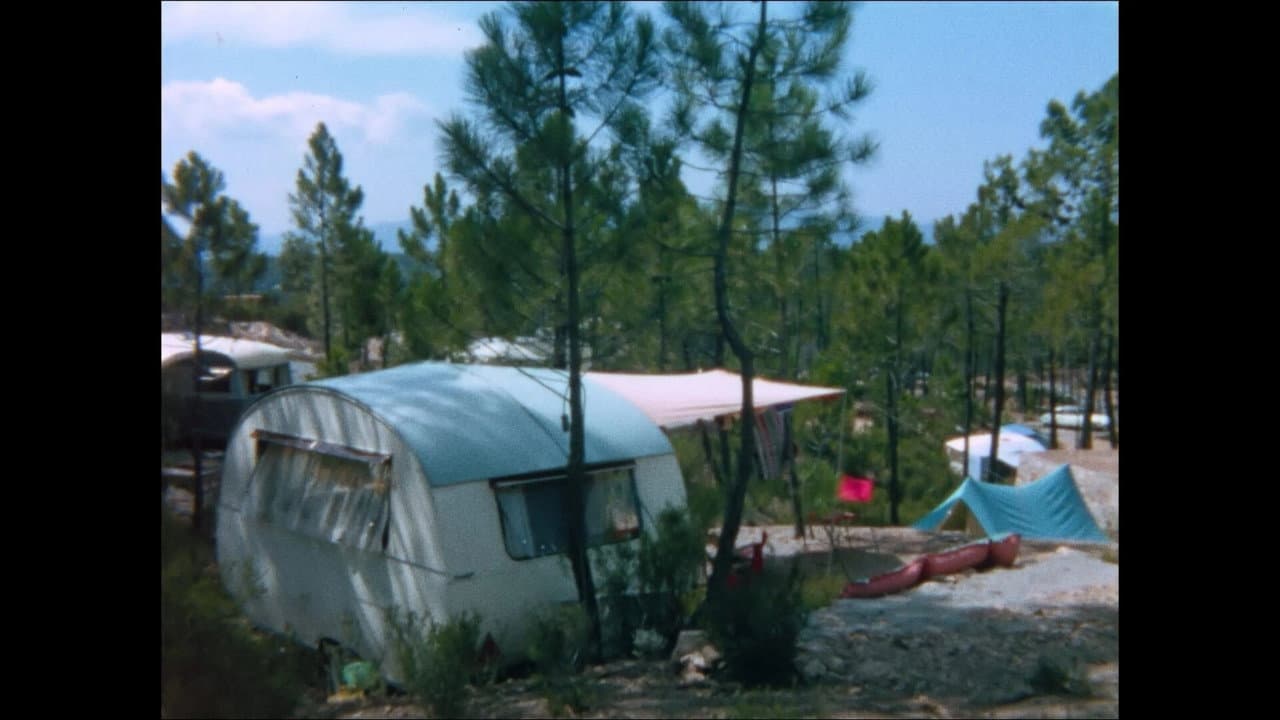
What's striking is how Bergère resists the temptation to make this a pure nostalgia reel. Yes, there are gorgeous Super 8 sequences of families in 1960s swimwear wrestling with canvas tents—yes, those images land with the particular warmth of found footage. But the film keeps asking harder questions. Freedom from domestic routine. Proximity to strangers you'd never otherwise meet. The peculiar democracy of the campsite, where a factory worker's tent might be pitched three metres from a doctor's caravan.
That theme of social mixing—of convivialité—runs through the entire film like a thread. And it's not sentimental. The 1936 congés payés reforms are the watershed moment here. For the first time, French workers got paid vacations. What happened next wasn't boutique camping for adventurers anymore. It was a DIY explosion of tent pegs and improvised campsites. Then came the postwar decades: mobile homes, electric hook-ups, and eventually the resort-style camping de luxe that defines the sector today. The film shows how each era of camping tells you something about French society at that moment.
I keep coming back to a sequence describing the chaos of setting up a new tent in the rain. Dubosc delivers it with the timing of a stand-up routine—it's funny, sure, but it also captures something real about the vulnerability of the campsite. You're exposed. Neighbors watch you fail.
Who narrates this, and why it matters
Two voices carry the narration: Franck Dubosc, the comedian most associated with the Camping film franchise, and Karin Viard, one of France's most reliably intelligent screen presences. The pairing could've tipped into self-parody. Instead, it works because their styles complement each other. Dubosc brings a knowing, slightly self-deprecating energy to the lighter passages. Viard's cooler register handles the reflective moments—class, memory, national identity. Together, they don't feel stitched together. They feel like a conversation.
It's a smart choice. The film reaches a broad, general audience, and the two-narrator approach keeps the pace conversational rather than academic.
Where to actually watch this right now
Primary platforms:
- France 3 and France.tv (French public broadcasting—original broadcast home)
- Canal+ (includes documentary offering; reaches French-speaking territories including Belgium)
- RTBF (Belgium co-producer; available in Wallonia and Flanders)
Availability outside France varies by region and shifts regularly. The Movie OTT streaming tracker updates in real time, so if the film's landed on a new platform since this was written, you'll see it there before anywhere else. Don't hunt manually—that widget is designed specifically to catch these shifts.
The archive footage is the real story
Here's the thing about home movies: they have a texture that no professional cinematographer can replicate. Bergère clearly spent serious time in private and institutional collections, and it shows. The contemporary campground footage is competent and often beautiful. But it's the old Super 8 reels that make you feel something—the grain, the color shift, the accidental framing that catches something true.
Movie OTT tracks documentary releases across French and international platforms, and among 2026's factual titles, this one generated consistent user interest. Not flashy. Just quietly compelling.
Is this for you? A quick filter
Watch this if:
- You've spent a summer on a French campsite (you'll recognize yourself in the archive footage)
- You're interested in social history, popular culture, or how nations choose to rest
- You've seen the Camping films and want context for why that franchise resonates
Don't watch if:
- You want a nature documentary or a travel guide
- You need constant narrative momentum—this is a slow, reflective film
Families and general audiences both work here. There's nothing graphic or disturbing. It's genuinely accessible.
Production details you might care about
Siècle Productions produced the film in partnership with France Télévisions, the CNC, RTBF, and Public Sénat—that consortium signals serious public-broadcasting ambition, not a quick-turnaround commission. It premiered on France 3 and France.tv in prime time in 2026. Most broadcast listings place the runtime at approximately 90 minutes, though some programme guides list a version of around 102 minutes. The discrepancy reflects commercial-break padding on linear television versus the clean streaming cut.
Hard to say if the film will circulate further internationally, but for now it stands as a prestige TV event—the kind of documentary that doesn't need box-office numbers or Rotten Tomatoes scores to justify itself.
What happens next
Stream it on France.tv or Canal+ (check Movie OTT for your region's current availability). Watch it in order—there's no franchise, no viewing prerequisites. Just one film, a hundred years of French camping culture, and two narrators who genuinely enjoy the subject matter. You'll understand why so many French people still pack a tent every summer.