







The story of Letters to Angel
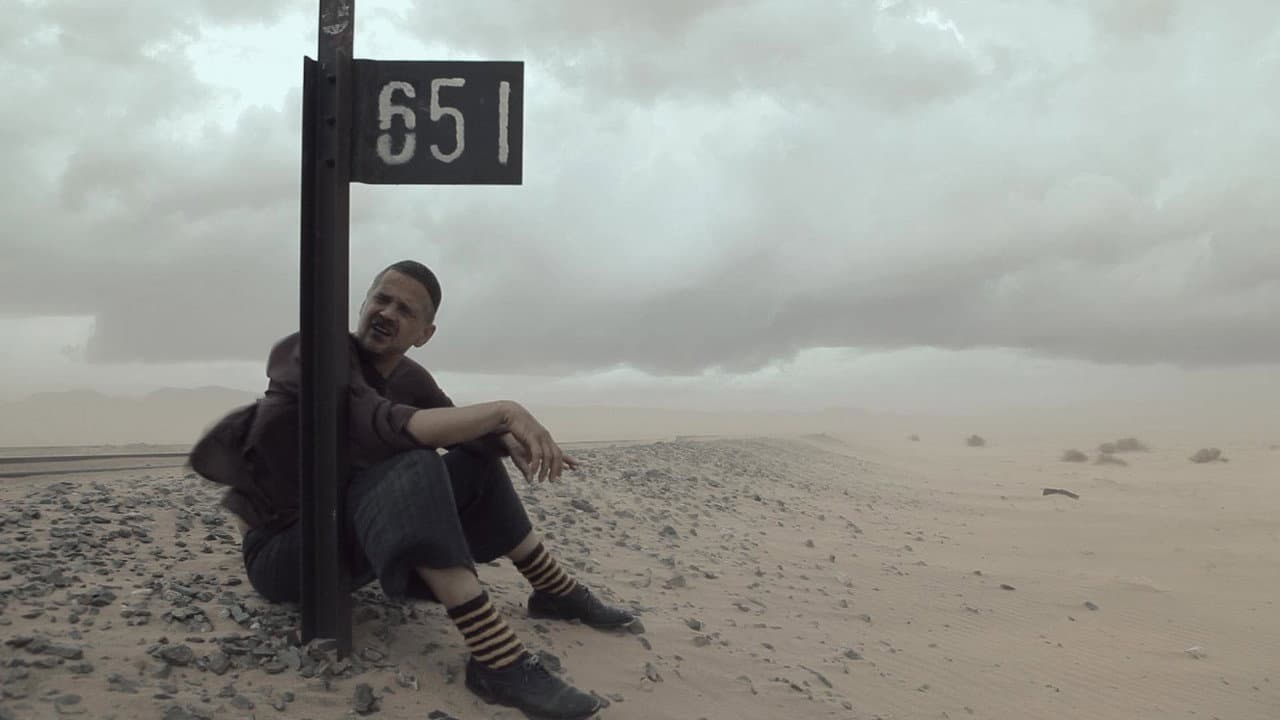
Letters to Angel tells the story of Jeremia Juunas Kirotaja, a man caught between worlds. Twenty-one years after leaving Estonia to fight in Afghanistan, he returns to his homeland for his father's funeral—a homecoming that's anything but celebratory. During his long absence, Jeremia has converted to Islam, a spiritual transformation that marks him as fundamentally changed from the person who left. The only thread connecting him to his native land is a distant memory: the sound of his daughter Angel crying over the phone, a voice from a life he abandoned. Now he must navigate a landscape that's both familiar and alien, searching not just for Angel but for some way to reconcile the man he's become with the life he left behind. The film doesn't position this as a triumphant return—it's something far more complicated and unsettling.
What strikes you immediately is the film's setting. The town itself is a character, dusty and visibly abandoned, its streets haunted by absence. This isn't a thriving community welcoming a prodigal son; it's a place that's been hollowed out by the same forces that took Jeremia away. The women have taken over daily life, not by choice but by necessity—the men are gone, and they're left to hold things together. There's a strange, almost desperate hope in the community that Jeremia's return might change something, might pull them out of the paralysis that's settled over everything. But can one man, even one transformed by war and faith, really do that?
Awards recognition and the film's path to international cinema
Letters to Angel emerged from Estonian cinema in 2010 and was selected as the country's official submission for Best Foreign Language Film at the 84th Academy Awards in 2012. While it didn't advance to the final shortlist, the selection itself was a significant nod to the film's ambition and emotional weight. The film also earned a nomination for the Estonian Journalists Prize, recognition from critics who understood what director Sulev Keedus was attempting—a portrait of post-conflict trauma that doesn't look away from its own contradictions. The production came from Frame Productions and F-Seitse, companies committed to bringing complex, character-driven stories to screen.
With a runtime of 118 minutes, the film takes its time. That's not accidental. Keedus isn't rushing through Jeremia's reintegration or the town's slow-burn hopes. The pacing allows space for the weight of these themes to accumulate—the awkwardness of reunion, the distance created by years and ideology, the question of whether forgiveness or understanding is even possible. On IMDb, the film holds a rating of 4.2 out of 10, which tells you something important: this isn't a crowd-pleaser. It's a challenging work that asks viewers to sit with discomfort, to watch a man who doesn't quite fit anywhere anymore, and to recognize that not every story resolves cleanly. That lower rating often signals a film that refuses easy answers, that prioritizes honesty over comfort.
What makes Letters to Angel stand out as post-conflict cinema
Here's what's striking about Letters to Angel: it doesn't treat Jeremia's conversion to Islam as a plot device or a moral failing to overcome. Instead, it's presented as a fundamental part of who he's become, neither glorified nor condemned. The film asks us to sit with the reality that wars change people in ways that can't be undone, that faith can be both genuine and disorienting to those around you, and that coming home doesn't mean returning to who you were. This is where the drama lives—not in action or spectacle, but in the quiet collisions between expectation and reality.
The performances anchor this material without sentimentality. There's no scene where everyone cries and understands each other. Instead, you get awkward dinners, conversations that stall, moments where people simply don't know what to say to each other. The town's women—waiting, hoping, barely surviving—bring a kind of exhausted dignity to their roles. They're not victims waiting for rescue; they're people who've learned to function in the absence of the men they've lost. What's striking is how the film treats their perspective as equally valid to Jeremia's internal struggle. This isn't his story alone; it's the story of what his absence cost everyone else. The way Keedus balances these viewpoints—never letting us settle into pure sympathy for any one character—is what elevates the material beyond typical war-returns-home narratives. You can't quite decide if Jeremia is a victim of circumstance or complicit in his own displacement, and that ambiguity is exactly the point.
Where to stream Letters to Angel online
Letters to Angel is currently available on major OTT services. If you're tracking where to watch it, Movie OTT maintains a comprehensive database of current streaming availability across platforms—no need to hunt through five different apps wondering if it's still there. The film's modest profile means it won't always be front-and-center on a platform's homepage, but it's worth seeking out for those interested in international drama or films that don't shy away from difficult emotional terrain. Check the Where to Watch widget at the top of this page to see which services are carrying it in your region right now, as availability shifts regularly.
Frequently asked questions
Q: Who directed Letters to Angel?
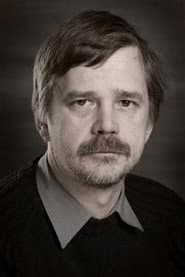
Sulev Keedus directed the film, bringing a restrained, observational style to the material. His approach prioritizes character and atmosphere over plot mechanics, which is why the film can feel slow to some viewers but deeply absorbing to others.
Q: Was Letters to Angel based on a true story?
The film isn't based on a specific true story, though it draws on the very real experiences of soldiers returning from Afghanistan and the communities they left behind. The emotional and social dynamics—particularly the role of women in maintaining towns during prolonged male absence—reflect real patterns in post-conflict societies.
Q: What's the film's runtime, and is it worth the commitment?
Letters to Angel runs 118 minutes. That length serves the film's deliberate pacing; it's not a quick watch, but it's intentional. If you appreciate character-driven dramas that build slowly, the runtime pays off.
Q: Is Letters to Angel available with subtitles?
Yes, the film is available on major OTT services with English subtitles. As an Estonian production, subtitles are essential for English-language viewers, and they're standard across streaming platforms.
Q: What does the title mean?
The title refers to Jeremia's search for his daughter Angel—the letters are both literal (communication he's seeking) and metaphorical (the connection he's lost and is trying to restore). The letters also work as a kind of prayer or plea, which ties to his spiritual journey.
Final thoughts on Letters to Angel
Letters to Angel isn't an easy film, but it's a necessary one. It refuses the comfort of resolution or redemption, instead asking us to witness what displacement costs—not just the person who leaves, but everyone left behind. If you're drawn to cinema that trusts audiences to handle ambiguity, that finds drama in silence and awkward pauses, this deserves your attention. It's the kind of film that lingers, that you find yourself thinking about days later. Not every viewer will connect with it, and that's fine. But for those who do, it's unforgettable.