The Story of Liberté
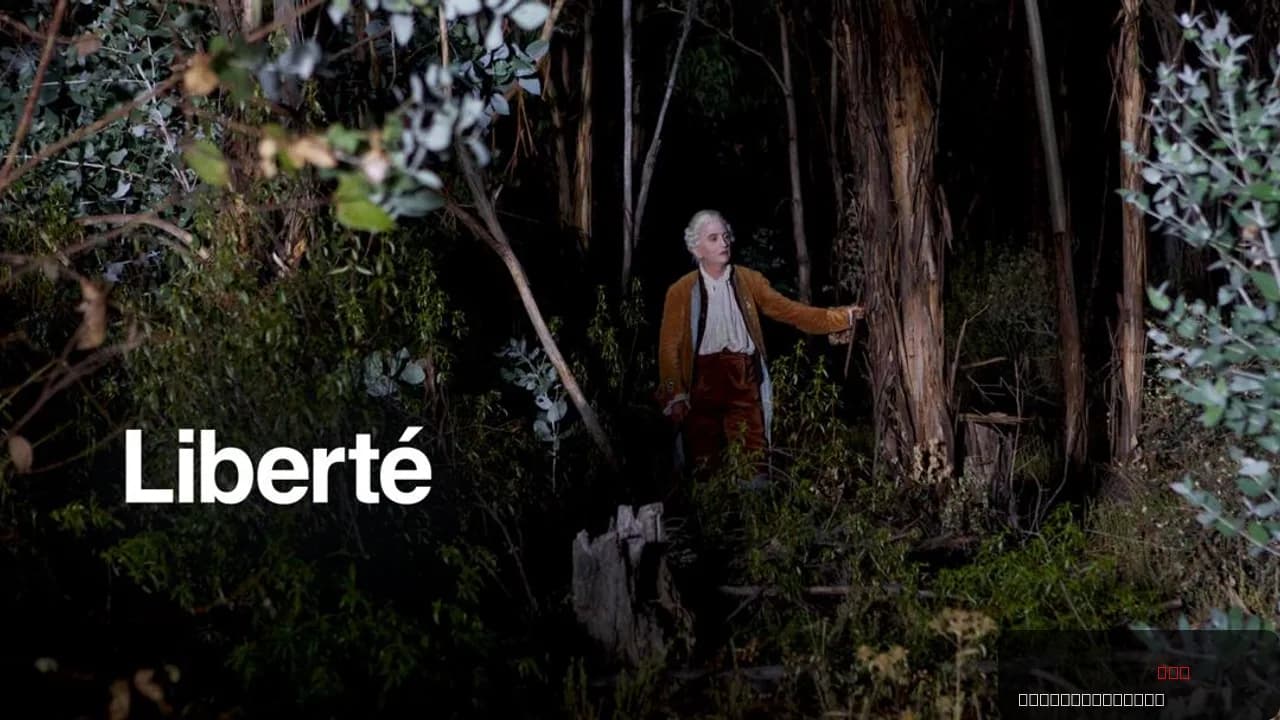
Liberté is set in the 18th century, where a group of aristocratic libertines gather in a forest for a single night of sexual fantasy and transgression. Director Albert Serra doesn't give you a plot in the conventional sense — there's no three-act structure, no rising action leading to climax and resolution. Instead, what unfolds is something closer to a visual poem, or a fever dream staged in candlelight and shadow. The film moves between tableaux of desire, conversation, and physical abandon, all of it shot with the formal precision of a Renaissance painting. If you've seen Serra's earlier work reimagining Don Quixote or Louis XIV, you know he doesn't do costume drama the way studios expect. But nothing quite prepares you for this.
Behind the Making of Liberté
Liberté premiered at the 2019 Cannes Film Festival in the Un Certain Regard section on May 18, marking an international co-production between Germany, Spain, France, and Portugal. The film runs 132 minutes — a deliberately unhurried pace that allows Serra to linger on gesture, fabric, skin, the way bodies move through darkness. The ensemble cast includes the legendary Helmut Berger, whose career stretched back decades in European cinema, alongside Marc Susini, Laura Poulvet, Alexander García Düttmann, Lluís Serrat, Francesc Daranas, and Montse Triola. Berger's appearance here became historically significant: Liberté was his final film before his death in May 2023, giving the work an unintended poignancy for anyone watching it now. The production design and cinematography are meticulous — Serra's team crafted an entire nocturnal world that feels both historically grounded and dreamlike, which is exactly the tension the director wanted. On Movie OTT, you can track where this film currently streams across multiple platforms, though its challenging nature means it's found primarily on curated services rather than mainstream algorithms.
What Makes Liberté Stand Out
What's striking about Liberté isn't just that it's sexually explicit — plenty of films are. It's that Serra uses that explicitness as a formal language, not a provocation for its own sake. The camera doesn't flinch, doesn't look away, doesn't apologize. Long takes of bodies in various states of undress and entanglement aren't filmed with the voyeuristic thrill of conventional erotic cinema; they're composed with the same care Serra brings to a face in profile or a hand reaching across a table. The performances, particularly Berger's weathered presence, anchor the film in something almost tragic — these aren't cartoon libertines, they're people chasing freedom in the only way they know how, and there's a desperation underneath the pleasure. Critics have been divided, which is entirely the point. The IMDb rating of 4.6/10 reflects the film's polarizing effect — some viewers find it pretentious or self-indulgent, while others recognize it as exactly what Serra intended: cinema that refuses to be comfortable, that doesn't care whether you're entertained in the traditional sense. The thing nobody mentions is how formally beautiful it actually is. Honestly, if you're expecting narrative momentum or character arcs, you'll be frustrated. But if you're interested in what happens when a major filmmaker decides to remake the rules of what a historical drama can be, Liberté demands your attention.
Where to Stream Liberté Online
Liberté is available across a surprisingly wide range of streaming platforms, though it's worth noting that availability varies by region and subscription status. You'll find it on MUBI, the curator-driven streaming service known for arthouse and international cinema, as well as on Filmin, Sooner, and filmfriend. It's also available through AVA HBZ, AVA VOBB, Kanopy, and ARTE Boutique — services that tend to cater to serious film viewers rather than casual browsers. If you prefer to rent or purchase, the film is on Apple TV Store, Google Play Movies, YouTube, Fandango At Home, Orange VOD, Canal VOD, Premiere Max, and Rakuten TV. VIVA by videofutur rounds out the options. The "Where to Watch" widget at the top of this page will show you current availability in your region, since streaming rights shift constantly. Movie OTT keeps that information updated across all these platforms, so you don't have to hunt through each service individually.
Frequently Asked Questions
Q: Who directed Liberté and what's his style?
Albert Serra directed Liberté. He's known for radically reimagining historical narratives — his previous films reinterpreted Don Quixote and Louis XIV with the same formal audacity he brings here. Serra treats costume drama as a space for formal experimentation rather than narrative convention.
Q: Is Liberté based on a true story?
No, it's not based on specific historical events. Serra created a fictional scenario — a night of aristocratic sexual transgression in an 18th-century forest — as a framework for exploring desire, freedom, and the visual language of cinema itself.
Q: What's the runtime and should I know anything before watching?
Liberté runs 132 minutes, and yes — you should know it contains explicit sexual content and nudity. It's not a film designed for passive viewing or background entertainment. Come prepared for a slow, formally precise work that demands active attention.
Q: Was this Helmut Berger's last film?
Yes. Helmut Berger, who had a long career in European cinema, passed away in May 2023, making Liberté his final film appearance. Knowing this context adds a layer of melancholy to his performance.
Q: Why does Liberté have such a low IMDb rating?
The 4.6/10 rating reflects the film's deliberately provocative and challenging nature. Serra made a film that rejects mainstream audience expectations — some viewers find it pretentious or self-indulgent, while critics and cinephiles recognize it as a formally ambitious work that doesn't care about conventional appeal.
Final Thoughts on Liberté
Liberté isn't a film for everyone, and it doesn't pretend to be. Serra made something austere and confrontational, a work that asks cinema to do something it's rarely asked to do: sit with bodies, desire, and transgression without judgment or sentimentality. If you're the kind of viewer who values formal innovation over plot, who can appreciate a three-hour film that refuses to move quickly, then this is essential viewing. Helmut Berger's final performance alone makes it historically significant. It's available on enough platforms now that there's no excuse not to seek it out — just go in with eyes open.


