The Story of Pacifiction: Power and Paranoia in Paradise
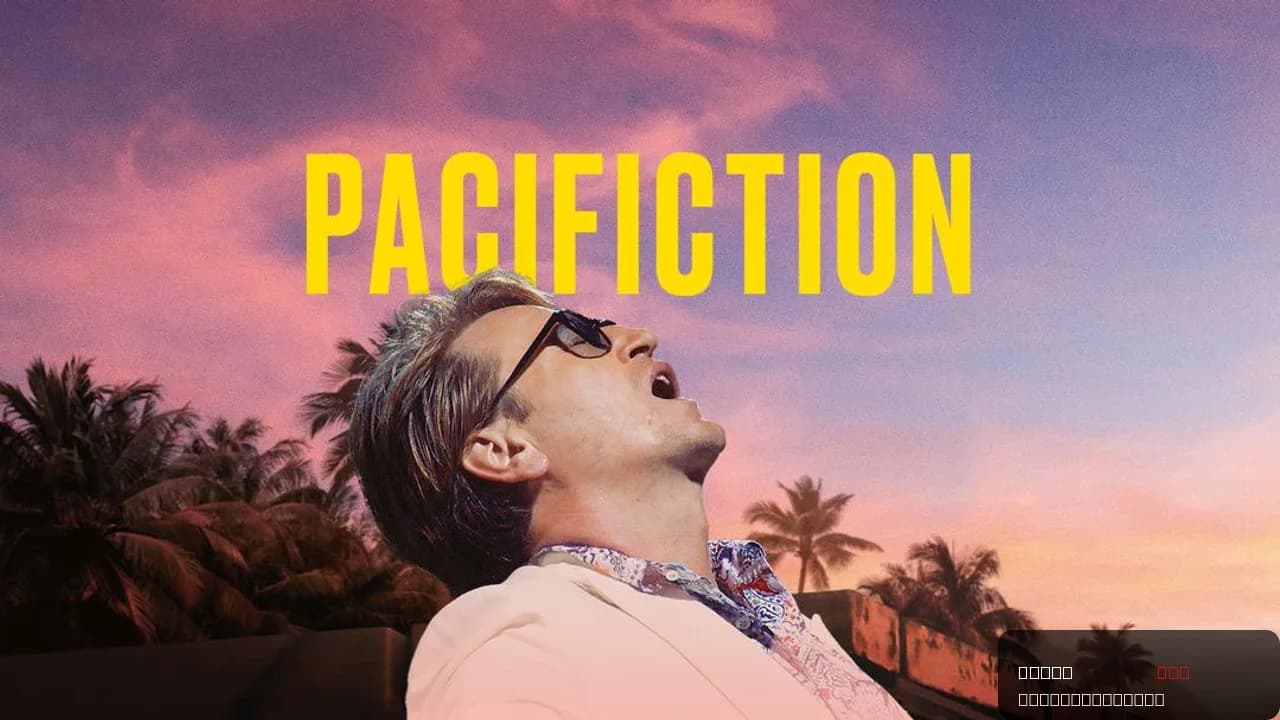
Pacifiction opens on an island where everything looks serene but nothing is quite what it seems. Benoît Magimel plays De Roller, the French High Commissioner stationed in Tahiti—a man who glides through the social fabric of his posting with calculated charm, attending parties, shaking hands, moving effortlessly between the establishment elite and the underground currents of island life. He's comfortable in his role, or so he appears. Then rumors start circulating about a submarine sighting, whispers that France might be returning to nuclear testing in the Pacific. What follows isn't a conventional thriller of action and revelation, but something slower and more unsettling: a portrait of a man watching his world shift beneath him, never quite sure who to trust or what's actually happening beyond the official channels.
Serra's film doesn't rush to explain itself. It's deliberately paced, atmospheric, built on looks and silences as much as dialogue. The arrival of an admiral and his crew only deepens the tension—and the intrigue. There's seduction here, desire, the kind of thing that destabilizes power structures in small, enclosed communities. What makes Pacifiction work isn't plot momentum; it's the slow realization that De Roller, for all his diplomatic skill, might be losing control of the narrative.
Behind the Making of Pacifiction: Cannes, Cast, and International Collaboration
Pacifiction premiered at the 2022 Cannes Film Festival, where it competed for the Palme d'Or—a significant honor that signaled the film's ambitions and artistic weight. Director Albert Serra, known for his unconventional approach to cinema, brought together an international cast and crew spanning France, French Polynesia, Germany, Portugal, and Spain. The title itself is a portmanteau of "Pacific" and "fiction," a clever linguistic nod to the film's blurring of political reality and invented narrative.
Benoît Magimel carries the film with a performance that's understated but magnetic. He's best known for roles in French cinema, and here he embodies the cool professionalism of a diplomat who's beginning to crack under pressure—though he'd never admit it. The supporting cast includes Marc Susini as the admiral whose arrival catalyzes much of the tension, alongside Pahoa Mahagafanau, Matahi Pambrun, and others who ground the film in its Polynesian setting. At 165 minutes, Pacifiction demands patience; Serra isn't interested in commercial pacing. The film sits with its characters, lets scenes breathe, and trusts viewers to read subtext. It's the kind of ambitious European cinema that Movie OTT helps audiences discover across multiple streaming platforms—work that might never reach theatrical distribution in many regions but finds its audience online.
What Makes Pacifiction Stand Out: Atmosphere, Ambiguity, and Queer Subtext
What's striking about Pacifiction is how it refuses easy answers. The submarine might be real or imagined. De Roller's motivations shift depending on the light. The film operates in a register of suggestion and implication rather than exposition—you're never quite sure what's political maneuvering and what's personal desire, and that uncertainty is the point. Serra, himself a gay director, brings a particular sensibility to the way power and sexuality intertwine in his narrative. There's a queer undercurrent running through the film that isn't explicit but deeply felt, especially in the charged interactions between De Roller and the military men who arrive on the island.
Magimel's performance anchors everything. He plays De Roller as a man who's spent years perfecting the art of appearing in control while actually being perpetually off-balance. Watch the scene where he learns about the submarine rumor—his face barely changes, but something shifts behind his eyes. That's the whole film in miniature: surface calm masking internal turbulence. The supporting performances, particularly Susini's admiral, create a dynamic of mutual assessment and hidden agendas. Nobody quite trusts anybody, and the viewer doesn't either.
Critically, Pacifiction sits at 6.2 on IMDb, which tells you something important: this isn't crowd-pleasing cinema. It's challenging, deliberately opaque, and structured around mood and implication rather than narrative clarity. That's not a flaw—it's a feature. The film wants you uncomfortable, unsure, reading between lines. For viewers seeking conventional thriller mechanics, it'll feel slow. For those attuned to European art cinema and political allegory, it's absorbing.
Where to Stream Pacifiction Online
Pacifiction is available across a surprisingly wide range of streaming platforms, which speaks to how seriously distributors took this Cannes competition entry. You can find it on MUBI and the MUBI Amazon Channel if you're subscribed to those services, as well as on Fandor Amazon Channel and several other specialty platforms. For rental or purchase, it's available through Apple TV Store, Google Play Movies, YouTube, and Rakuten TV. European viewers have additional options including ARD Mediathek, rtve, ARTE Boutique, Canal VOD, Orange VOD, Pathé Home, and Premiere Max. Philo and Sooner (plus Sooner Amazon Channel) also carry it. The "Where to Watch" widget at the top of this page will show you current availability in your region—streaming rights shift frequently, so that's your most reliable source for real-time information. Movie OTT tracks these availability windows so you don't have to hunt across a dozen apps to find where the film is currently streaming.
Frequently asked questions
Q: Who directed Pacifiction?
Albert Serra wrote and directed Pacifiction. Serra is a Catalan filmmaker known for his unconventional, slow-cinema approach to storytelling. His decision to set this political thriller in Tahiti and infuse it with queer subtext reflects his distinctive artistic vision.
Q: Did Pacifiction win any awards at Cannes?
Pacifiction competed for the Palme d'Or at the 2022 Cannes Film Festival, which is the festival's highest honor. While it didn't win the top prize, its selection in competition underscored its status as a significant international film.
Q: How long is Pacifiction?
Pacifiction runs 165 minutes—nearly three hours. Serra uses that runtime deliberately, building atmosphere and allowing scenes to unfold without conventional pacing. It's not a film to watch casually or while distracted.
Q: Is Pacifiction based on a true story?
No, Pacifiction is a fictional work, though it draws on real historical anxieties about French nuclear testing in the Pacific and the political dynamics of French Polynesia. The title itself—a portmanteau of "Pacific" and "fiction"—signals Serra's blending of real-world context with invented narrative.
Q: What's the plot of Pacifiction about?
Pacifiction follows De Roller, a French High Commissioner in Tahiti, as he navigates diplomatic intrigue and rumors of a submarine sighting that could signal the return of nuclear testing. The film is more about atmosphere, power dynamics, and hidden agendas than conventional plot mechanics.
Final Thoughts on Pacifiction
Pacifiction isn't for everyone—and that's exactly what makes it worth seeking out. In an era of streaming platforms optimized for algorithm-friendly content, Serra's deliberately paced, thematically rich political thriller stands apart. Magimel's performance is quietly masterful, the setting is gorgeously rendered, and the film trusts its audience to sit with ambiguity. If you're drawn to European cinema that asks questions rather than providing answers, or if you're curious about how a major film festival competition entry tackles themes of power, desire, and colonial anxiety, Pacifiction rewards the investment. It won't satisfy you in the traditional sense. But it'll stay with you.