








The story of Like Asura: Family secrets and the cost of truth
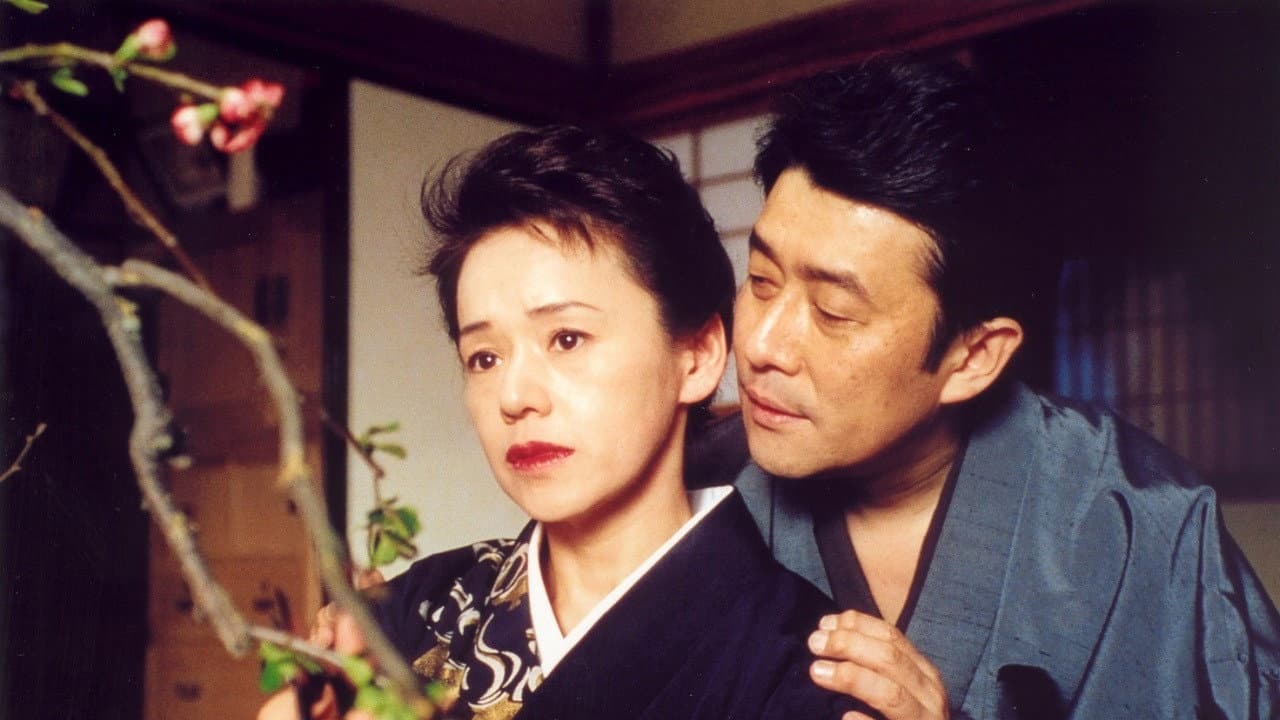
Like Asura opens on what seems like a stable family foundation, then pulls the ground out from under it. The four Takezawa sisters—bound by blood, by shared memory, by the weight of family expectation—discover something that shouldn't exist: evidence that their father has fathered a child outside their family. Rather than confront him directly, they take a stranger's path. They hire a private detective to dig into this secret, to uncover the full scope of their father's infidelity. What follows isn't a simple detective story. It's a slow-burn examination of how families fracture when the truth arrives uninvited, and what happens when you can't put the pieces back together the way they were.
Director Yoshimitsu Morita doesn't rush this premise. The film unfolds across 135 minutes with the kind of deliberate pacing that lets you feel the sisters' unease accumulating—not as plot points, but as emotional weight. Each discovery compounds the last. Each revelation forces them to reconsider not just their father, but themselves, their mother, their entire childhood narrative. It's the kind of film that doesn't announce its themes. They creep up on you.
Behind the making of Like Asura: Awards recognition and the TV adaptation
Like Asura didn't emerge from nowhere. The film is a remake of the TV miniseries Ashura no Gotoku, which aired on NHK—a respected source material that already had an audience and a proven emotional core. Yoshimitsu Morita's task was to compress that television story into a feature film without losing the intimate, character-driven focus that made the original resonate. He succeeded spectacularly. At the 27th Japan Academy Film Prizes, Like Asura won three awards outright and earned ten additional nominations, a recognition that placed it among the year's most celebrated Japanese cinema.
The production itself was a heavyweight affair. Mainichi Shimbun, Nippan Group Holdings, Hakuhodo, and TOHO—major Japanese media and entertainment entities—backed the project, lending it both financial muscle and cultural credibility. TOHO's involvement particularly mattered; the studio has long been a gatekeeper for prestige Japanese drama. The cast was drawn from serious actors rather than celebrity names (though the exact lineup varies by region), and that choice paid off. What's striking is that the film treats its ensemble with genuine respect. No one's there for the paycheck. Everyone's there because the material demanded their best work.
IMDb ratings sit at 6.5/10, which on that platform usually signals a solid, uncompromising drama—the kind that doesn't pander or soften its edges for broad appeal. The runtime of 135 minutes was intentional, not a bloated cut. Every scene earns its place.
What makes Like Asura stand out: Performance, restraint, and moral ambiguity
What's remarkable about Like Asura is how it refuses to let you settle into a comfortable moral position. You might expect the sisters to be the heroes of this story—wronged daughters seeking truth. But the film complicates that. Their investigation isn't purely about justice or understanding. It's partly about control, about refusing to let their father keep secrets, about asserting power over a man who's kept them in the dark. And the father? He's not a cartoon villain. He's a man who made a choice, lived with consequences, and now faces exposure. The detective they hire isn't a noble seeker of truth either—he's doing a job, and you see the toll it takes.
This moral murkiness is what separates Like Asura from lesser dramas. It doesn't tell you what to feel. It shows you four women wrestling with betrayal, shame, anger, and—hardest of all—the possibility that understanding their father doesn't mean forgiving him, and that forgiveness might not even be the point. The performances anchor this ambiguity. There's no scenery-chewing, no moments where an actor winks at the camera to tell you how to interpret them. Instead, you get restraint, silences that speak louder than dialogue, and the kinds of micro-expressions that only register if you're paying attention.
I keep coming back to how the film treats the detective subplot. Rather than making him a plot device, Morita gives him an interior life. His investigation becomes its own kind of family drama—a man doing work that damages his soul, watching his clients' lives unravel while he's just trying to earn a living. That's the kind of thematic depth that separates prestige cinema from genre entertainment.
Where to stream Like Asura online
Like Asura is currently available on major OTT services, and Movie OTT tracks real-time streaming availability across multiple platforms so you can find exactly where it's playing in your region. Rather than hunting across five different apps, Movie OTT does the heavy lifting—it aggregates current listings, updates them as licenses shift, and saves you the frustration of subscribing to a service only to discover the title's gone. The film's 135-minute runtime makes it a solid weekend commitment, the kind of thing you'll want to settle in for without interruption. Check the Where to Watch widget at the top of this page to see which platform has it available to you right now.
Frequently asked questions
Q: Is Like Asura based on a true story?
No, it's not based on real events. However, the film is adapted from the NHK television miniseries Ashura no Gotoku, so it draws from an existing narrative that resonated enough to be remade for cinema.
Q: Who directed Like Asura?
Yoshimitsu Morita directed the film. He managed to translate the TV miniseries into a feature-length drama without losing its character-driven focus, earning the film three Japan Academy Awards in the process.
Q: How long is Like Asura?
The film runs 135 minutes, which allows Morita to develop his characters and explore the moral complexity of the story without rushing through key emotional beats.
Q: What awards did Like Asura win?
At the 27th Japan Academy Film Prizes, Like Asura won three awards and received ten additional nominations, establishing it as one of 2003's most acclaimed Japanese films.
Q: What genres does Like Asura fall under?
The film blends comedy and drama—though the humor is dark and understated rather than broad. It's primarily a character-driven family drama that uses moments of levity to puncture tension rather than provide escape.
Final thoughts on Like Asura
Like Asura is the kind of film that doesn't demand you love it, but it does demand you engage with it. It won't give you easy answers about family, loyalty, or forgiveness. What it will give you is a story about four women who discover that the father they thought they knew was someone else entirely—and that learning that truth changes everything, including themselves. If you're drawn to character-driven cinema that trusts its audience to sit with moral ambiguity, this is essential viewing. Not every film needs to be comforting. Some of the best ones aren't.