







The story of London 2012 Olympic Closing Ceremony: A Symphony of British Music
London 2012 Olympic Closing Ceremony: A Symphony of British Music documents one of the most ambitious live productions ever staged—the closing ceremony of the Games of the XXXth Olympiad. Rather than a traditional sports broadcast, this is a full-length documentary capturing how the Olympic Stadium transformed into a massive concert venue and cultural statement. The ceremony unfolds as a three-hour journey through British musical heritage, from punk rock to classical orchestration, bringing together performers, athletes, and thousands of spectators in a single evening. What makes this documentary stand out isn't just the scale—it's the way it frames the ceremony as a genuine artistic statement about British culture at a specific moment in time. The narrative follows the construction, rehearsal, and execution of something that'd never been attempted at quite this scale before.
Behind the making of London 2012 Olympic Closing Ceremony: A Symphony of British Music
The production of London 2012 Olympic Closing Ceremony: A Symphony of British Music represents a collaboration between the Olympic Broadcasting Services (OBS) and the BBC, two institutions with deep resources and broadcasting expertise. The ceremony itself was helmed by director Danny Boyle, the Oscar-nominated filmmaker behind Slumdog Millionaire and Trainspotting, who approached the closing ceremony with the same creative ambition he'd brought to the opening ceremony weeks earlier. The logistics alone were staggering—coordinating hundreds of performers, live musicians, choreography, and technical elements across a 90,000-capacity stadium while broadcasting to a global audience of nearly a billion viewers. The documentary captures not just the final performance but the behind-the-scenes work: the rehearsals, the decision-making about which British artists would represent the nation, and the cultural conversations happening in real time. IMDb users rated the ceremony at 6.9/10, reflecting the polarized nature of how live spectacles land with different audiences—some found it transcendent, others thought it indulgent. What's striking is how the documentary format allows viewers to see decisions that a live broadcast would never reveal, making it a different experience entirely from watching the ceremony as it happened.
What makes London 2012 Olympic Closing Ceremony: A Symphony of British Music stand out
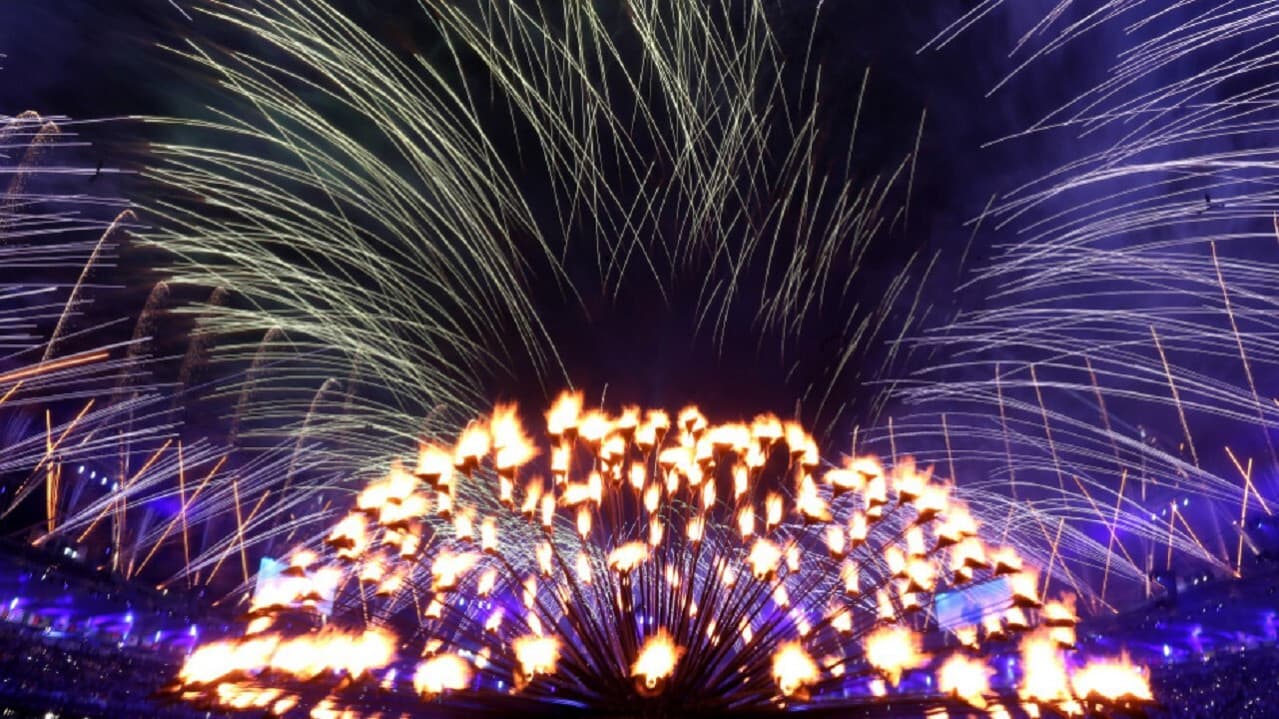
The performances that anchor this ceremony aren't just musical moments—they're statements. The Who performing "Baba O'Riley," The Rolling Stones, Eminem joining a British grime artist on stage, the London Symphony Orchestra playing alongside contemporary acts—these aren't random bookings. They're choices about what Britain wanted to say about itself to the world. What's interesting is how the ceremony doesn't shy away from British contradictions. You get classical elegance and punk irreverence in the same evening. The documentary captures performers who'd never share a stage otherwise, which creates genuine tension and energy. There's also the undeniable spectacle of it all—the sheer production value, the fireworks, the lighting design that turns the stadium into something almost otherworldly. What I keep coming back to is that this ceremony happened right after the 2011 London riots, and there's something about how deliberately joyful and unifying the whole thing feels that matters historically. It's not subtle, but it doesn't need to be. The 200-minute runtime—which might sound excessive—actually works in the documentary's favor because it refuses to rush through the moments that matter. You get time to sit with performances rather than jump-cut through them.
Where to stream London 2012 Olympic Closing Ceremony: A Symphony of British Music online
London 2012 Olympic Closing Ceremony: A Symphony of British Music is available on major OTT platforms, and Movie OTT tracks current streaming availability across multiple services so you don't have to hunt. The documentary has found its way onto several major streaming platforms over the years, making it more accessible now than it was in 2012 when you had to catch it live or wait for DVD release. Since this is a BBC and OBS production, availability varies by region—UK viewers have historically had better access through BBC iPlayer, while international audiences may find it on different platforms. Check the Where to Watch widget at the top of this page to see exactly which services are currently streaming it in your location. Streaming rights for Olympic content can be complicated, so availability does shift, but the ceremony remains one of the most-sought-after Olympic documentaries precisely because of how singular it is.
Frequently asked questions
Q: Who directed the London 2012 Olympic Closing Ceremony?
Danny Boyle, the acclaimed filmmaker behind Slumdog Millionaire and 28 Days Later, directed the ceremony. He'd also directed the opening ceremony two weeks earlier, giving him creative continuity across both major Olympic events.
Q: How long is London 2012 Olympic Closing Ceremony: A Symphony of British Music?
The documentary runs 200 minutes (just over three hours), capturing the full scope of the ceremony without commercial breaks or editing for time.
Q: What's the IMDb rating for London 2012 Olympic Closing Ceremony: A Symphony of British Music?
The ceremony holds a 6.9/10 rating on IMDb, reflecting mixed audience reactions to its artistic choices and pacing.
Q: Is London 2012 Olympic Closing Ceremony: A Symphony of British Music based on a true story?
It's not based on anything—it's a documentary recording of an actual event that happened on August 12, 2012, at the Olympic Stadium in London.
Q: Where can I watch London 2012 Olympic Closing Ceremony: A Symphony of British Music?
The ceremony is available on major OTT streaming services. Movie OTT's streaming guide shows which platforms currently have it in your region.
Final thoughts on London 2012 Olympic Closing Ceremony: A Symphony of British Music
If you're looking for something that captures a specific cultural moment—Britain in 2012, the Olympics at their most ambitious, live performance at an almost impossible scale—this documentary delivers. It won't be everyone's cup of tea. Some people find it self-indulgent, others find it genuinely moving. But there's real value in watching how a nation chose to represent itself to the world, especially through music and performance. The 200-minute commitment pays off if you're willing to sit with it. This isn't background viewing. It demands attention, but it rewards it.