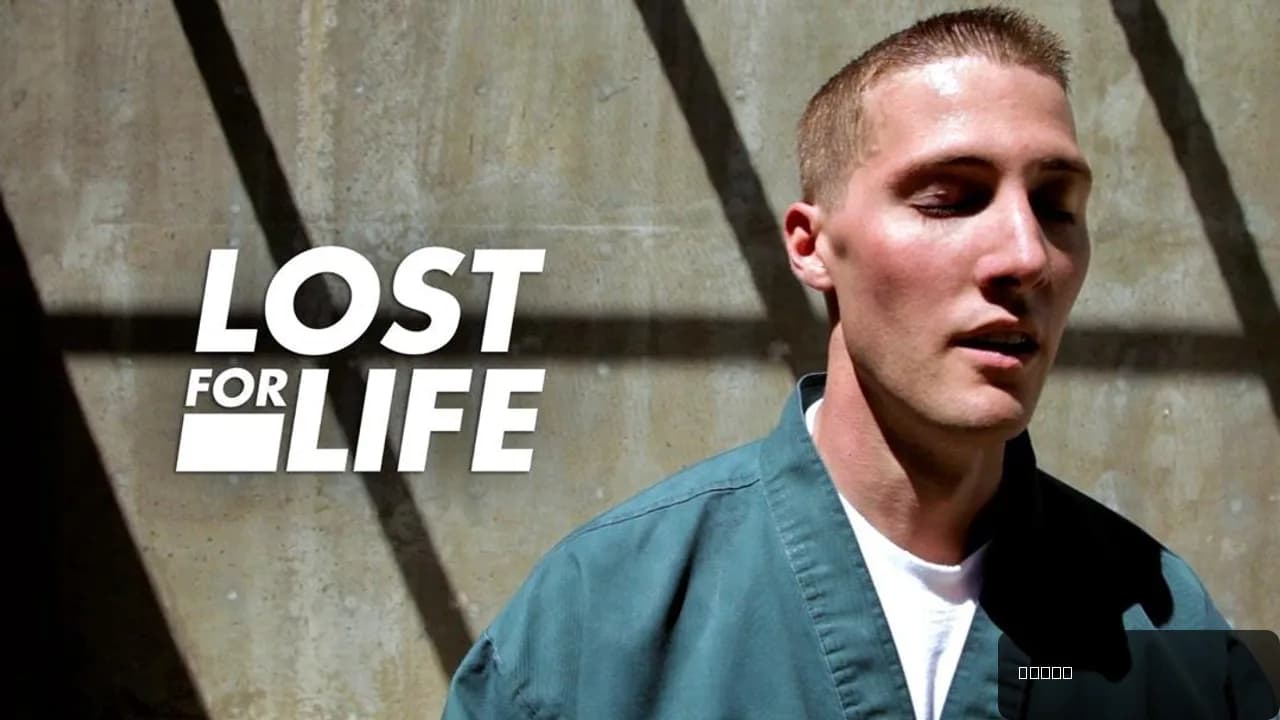
Unpacking the Difficult Truths in Lost for Life
Lost for Life, the potent 2013 documentary directed by Joshua Rofé, pulls back the curtain on a deeply unsettling aspect of the American justice system: juveniles sentenced to life imprisonment without the possibility of parole. The film doesn't sensationalize the crimes themselves; instead, it centers its narrative on the individuals now living with these sentences, some of whom were as young as 13 or 14 when they committed their offenses. Viewers are introduced to a handful of these prisoners, along with their families and, in some cases, the families of their victims, exploring the complex interplay of accountability, age, and punishment. It’s a film that forces us to confront uncomfortable questions about rehabilitation versus retribution, particularly when the offenders are still in their formative years.
The Craft and Context Behind Joshua Rofé's Lost for Life
Released in 2013, Lost for Life is a brisk 75-minute documentary, a runtime that belies the immense weight of its subject matter. Director Joshua Rofé, known for his later work on projects like Lorena and Sasquatch, approaches this sensitive topic with a remarkable degree of restraint and journalistic rigor. He doesn't shy away from the horrific nature of the crimes but chooses to focus on the human element, allowing the camera to linger on the faces of the incarcerated individuals and their loved ones. The film features interviews with figures like Brian Draper and Torey Adamcik, infamous for a high-profile murder case, along with their parents Shannon and Sean Adamcik, and other individuals like Cassie Stoddart, Jacob Ind, and Gabriel Adams, each representing a different facet of this tragic issue. While Lost for Life didn't rack up major box office numbers (documentaries rarely do) or a list of awards, its impact stems from its raw, unvarnished presentation. It's not rated, which isn't unusual for a documentary of this nature, leaving its challenging content uncensored for mature audiences.
Why Lost for Life Continues to Spark Vital Conversations
Lost for Life earns its 6.8/10 IMDb rating from 935 votes by presenting a nuanced, often heart-wrenching, look at the lives irrevocably shaped by juvenile life-without-parole sentences. The film works because it avoids easy answers, instead diving headfirst into the profound ethical dilemmas surrounding prison, murder, jail, and the possibility — or impossibility — of parole for those who committed heinous acts as minors. What's striking is how Rofé manages to elicit empathy without excusing the crimes; he simply presents the stories, allowing viewers to grapple with the implications. For instance, the segments featuring Brian Draper and Torey Adamcik are particularly chilling, showing how young minds can become entangled in unthinkable violence, yet the film also highlights the enduring hope (or despair) of their families. Honestly, it's a tough watch, no question. Hard to say if any single film could fully capture the nuances of such complex cases, but Lost for Life certainly tries. Critics widely praised its balanced approach, with one observer noting, "The film avoids polemics, instead offering a stark, humanizing perspective that challenges preconceived notions of justice and punishment for young offenders." Its examination of whether "killer" is a permanent label, or if rehabilitation is truly possible for someone locked away since their teens, is incredibly powerful. Tough stuff.
Finding Lost for Life: Streaming Availability Online
If you're looking to stream Joshua Rofé's compelling documentary, Lost for Life is currently available for viewing on Prime Video. This platform offers a convenient way to access the 2013 film and delve into its crucial subject matter from the comfort of your home. For comprehensive, up-to-the-minute information on where Lost for Life and thousands of other titles are streaming, you'll want to check the "Where to Watch" widget displayed prominently at the top of this page. Movie OTT consistently updates its listings, ensuring you don't waste time searching across different services. We're dedicated to helping you find your next watch without hassle, and that includes powerful documentaries like this one.
Frequently asked questions
Q: Where can I stream Lost for Life?
Lost for Life is currently available to stream on Prime Video. You can find the most up-to-date streaming information right here on Movie OTT.
Q: Who directed the documentary Lost for Life?
The 2013 documentary Lost for Life was directed by Joshua Rofé. He is known for his work on other acclaimed documentaries and series.
Q: What is the runtime of Lost for Life?
Lost for Life has a runtime of 75 minutes. It's a concise yet impactful exploration of its challenging themes.
Q: What is Lost for Life about?
Lost for Life tells the stories of individuals serving life-without-parole sentences for crimes they committed when they were teenagers, exploring themes of prison, murder, and the justice system's approach to juvenile offenders.
Q: Is Lost for Life rated?
No, Lost for Life is not rated. Like many documentaries, it presents its difficult subject matter without a formal MPAA rating.
Final Reflections on the Impact of Lost for Life
Lost for Life isn't an easy film, but it's an essential one for anyone interested in criminal justice reform, the intricacies of the legal system, or simply the human capacity for change and accountability. Joshua Rofé doesn't preach; he shows. This documentary will stick with you, prompting serious thought about the concept of a "second chance" and whether age should factor more heavily into sentencing for life-altering crimes. It's a heavy, necessary film. A challenging watch, for sure. If you're ready to engage with a deeply empathetic yet unflinching examination of some of society's most challenging questions, then Lost for Life comes highly recommended by us here at Movie OTT.
