The Story of Mademoiselle Fifi
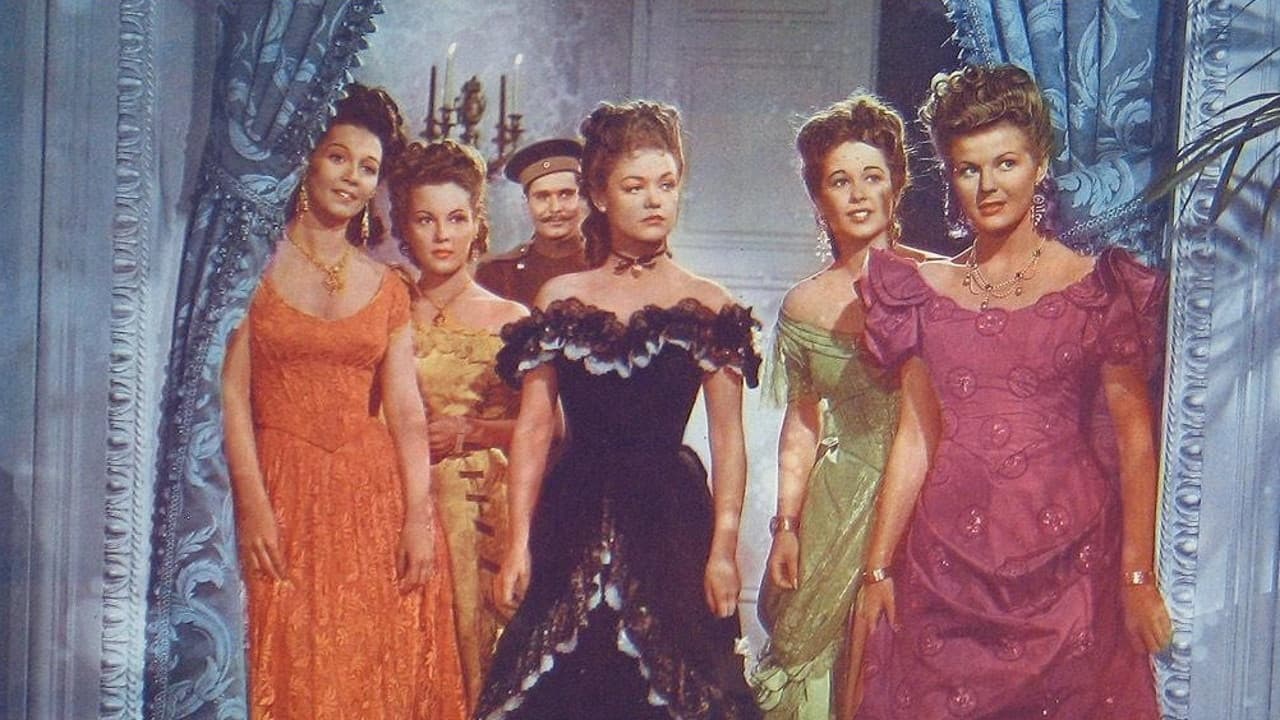
Mademoiselle Fifi unfolds in occupied France during the Franco-Prussian War of 1870, a period when Prussian forces controlled swaths of French territory and civilian life hung in the balance. The film centers on a young French laundress who finds herself sharing a coach with several passengers of far higher social standing—the kind of people who'd normally never acknowledge her existence. But when a Prussian officer stops the coach, the rigid class structure that defines their world gets turned upside down. What follows is a tense examination of how people behave when the rules change, when survival and conscience collide, and when a person of supposedly low station might possess more integrity than those born to privilege. The 69-minute runtime moves briskly, never wasting time on exposition—it trusts the viewer to understand the stakes.
Behind the Making of Mademoiselle Fifi
Mademoiselle Fifi marked the solo directorial debut of Robert Wise, who would go on to become a Hollywood titan (The Sound of Music, West Side Story). The film was produced by Val Lewton, a legendary B-film producer known for his ability to craft compelling stories on tight budgets and shorter runtimes. The screenplay came from Josef Mischel and Peter Ruric, who adapted two Guy de Maupassant short stories—"Mademoiselle Fifi" and "Boule de Suif"—weaving them into a single narrative. The ensemble cast featured Simone Simon in the lead role, alongside John Emery and Kurt Kreuger, all of whom brought credibility to their parts. Released in 1944 by RKO Radio Pictures, the film arrived at a politically charged moment: Paris had just been liberated from Nazi occupation that same year. This timing wasn't accidental. As a Hollywood production made during the Second World War, Mademoiselle Fifi carries unmistakable wartime propaganda elements, evoking figures like Jeanne d'Arc and exploring how French civilians under occupation respond to tyranny—some with submission, others with quiet defiance. The film's perspective on collaboration and resistance would have felt urgent to American audiences in 1944.
What Makes Mademoiselle Fifi Stand Out
What's striking about Mademoiselle Fifi is how it refuses easy moral judgments. The film doesn't simply celebrate French heroism or condemn German villainy—it's far more interested in the messy human choices people make when trapped. The laundress isn't a saint; the wealthy passengers aren't cartoons. Each character responds differently to the same impossible situation, and the script is smart enough to show why. Wise's direction keeps the tension simmering throughout, and there's a scene involving a toast that crackles with unspoken meaning—the kind of moment that lingers because you understand exactly what's being negotiated beneath the surface. The performances anchor the story in genuine emotion rather than melodrama. Simon, in particular, brings a quiet strength to her role, embodying someone who's learned to survive by being overlooked, only to discover that invisibility can become a kind of power. It's a character study wrapped inside a wartime thriller, which is why the film doesn't feel dated despite its 80-year age—it's about people under pressure, and that never gets old. I keep coming back to how the film treats its Prussian officer not as a caricature but as a man enforcing an occupation, which makes the moral stakes feel real rather than rhetorical.
Where to Stream Mademoiselle Fifi Online
Mademoiselle Fifi is currently available on major OTT streaming services, and you can check the "Where to Watch" widget at the top of this page to see exactly which platforms are carrying it right now. Streaming availability shifts regularly, so that widget will always show you the most up-to-date options—whether it's on Netflix, Prime Video, or another service. Movie OTT tracks these changes across all major platforms, so you don't have to hunt through five different apps to find out where a classic like this one is hiding. Since it's a relatively short film at just 69 minutes, it's perfect for a single sitting, and the wartime setting makes it a natural pairing with other 1940s dramas if you're in the mood for a double feature.
Frequently Asked Questions
Q: Who directed Mademoiselle Fifi?
Robert Wise directed the film in his solo feature directorial debut. Wise would later become a major Hollywood director, known for classics like The Sound of Music and West Side Story, but Mademoiselle Fifi was where his feature career began.
Q: What is Mademoiselle Fifi based on?
The screenplay adapts two short stories by Guy de Maupassant: "Mademoiselle Fifi" and "Boule de Suif." Writers Josef Mischel and Peter Ruric wove these stories together into a single narrative set during the Franco-Prussian War.
Q: When was Mademoiselle Fifi released?
The film was released in 1944 by RKO Radio Pictures, the same year Paris was liberated from Nazi occupation, which gives the film's wartime themes particular historical resonance.
Q: Is Mademoiselle Fifi based on a true story?
While it's adapted from Maupassant's fiction rather than a specific historical event, the film is set during the real Franco-Prussian War of 1870 and explores themes of occupation and resistance that reflect historical reality.
Q: How long is Mademoiselle Fifi?
The film runs 69 minutes, making it a tight, focused drama that doesn't overstay its welcome and works well as a single sitting.
Final Thoughts on Mademoiselle Fifi
Mademoiselle Fifi doesn't shout about its themes—it shows them through behavior, through the way people look at each other, through what gets said and what doesn't. It's a wartime film that's more interested in moral ambiguity than propaganda, which is probably why it's held up better than you'd expect for a 1944 studio picture. If you appreciate character-driven dramas, wartime stories told from a civilian perspective, or simply want to see Robert Wise's directorial foundation, this one's worth your time. It's available now on streaming, and at under 70 minutes, there's no reason not to give it a shot.